

Understanding Addiction Support Services: Your Path to Recovery
Addiction support services are professional programs and resources designed to help individuals overcome substance use disorders through medical care, counseling, peer support, and ongoing recovery assistance. These services range from 24/7 crisis helplines to medically supervised detox, residential treatment, outpatient programs, therapy sessions, and long-term aftercare planning.
Key Types of Addiction Support Services:
- Crisis & Helplines – SAMHSA’s National Helpline (1-800-662-HELP), 988 Suicide & Crisis Lifeline, available 24/7
- Medical Services – Detoxification, medication-assisted treatment, withdrawal management
- Treatment Programs – Inpatient/residential care, partial hospitalization (PHP), intensive outpatient (IOP), standard outpatient
- Counseling & Therapy – Individual therapy, group therapy, family therapy, cognitive behavioral therapy (CBT)
- Peer Support – Alcoholics Anonymous (AA), Narcotics Anonymous (NA), SMART Recovery groups
- Specialized Care – Dual diagnosis treatment, programs for specific substances (opioids, alcohol, meth)
- Aftercare – Relapse prevention, sober living, alumni support, recovery planning
If you or someone you love is struggling with addiction, you’re not alone. According to the National Survey on Drug Use and Health, 48.5 million Americans aged 12 or older had a substance use disorder in 2023. That’s over 17% of the population.
The good news? Recovery is absolutely possible. With the right support, treatment, and commitment, countless individuals build healthy, fulfilling lives free from addiction.
The first step is often the hardest. Recognizing there’s a problem and reaching out for help takes courage. But once you take that step, a comprehensive network of addiction support services exists to guide you through every stage of recovery—from your first phone call to long-term sobriety.
This guide walks you through the essential addiction support services available, helping you understand what each offers and how to access the care that fits your unique situation.
Explore more about addiction support services:
- how residential treatment drug addiction differs from outpatient
- is outpatient addiction treatment effective
- what is outpatient addiction treatment
Understanding the Different Approaches to Addiction Treatment
When it comes to addressing substance use disorder, there isn’t a one-size-fits-all solution. The journey to recovery is deeply personal, and the most effective path often involves a combination of treatment settings and approaches custom to an individual’s unique needs. At Aria Kentucky, we understand the importance of individualized addiction treatment to ensure the highest chance of lasting sobriety.
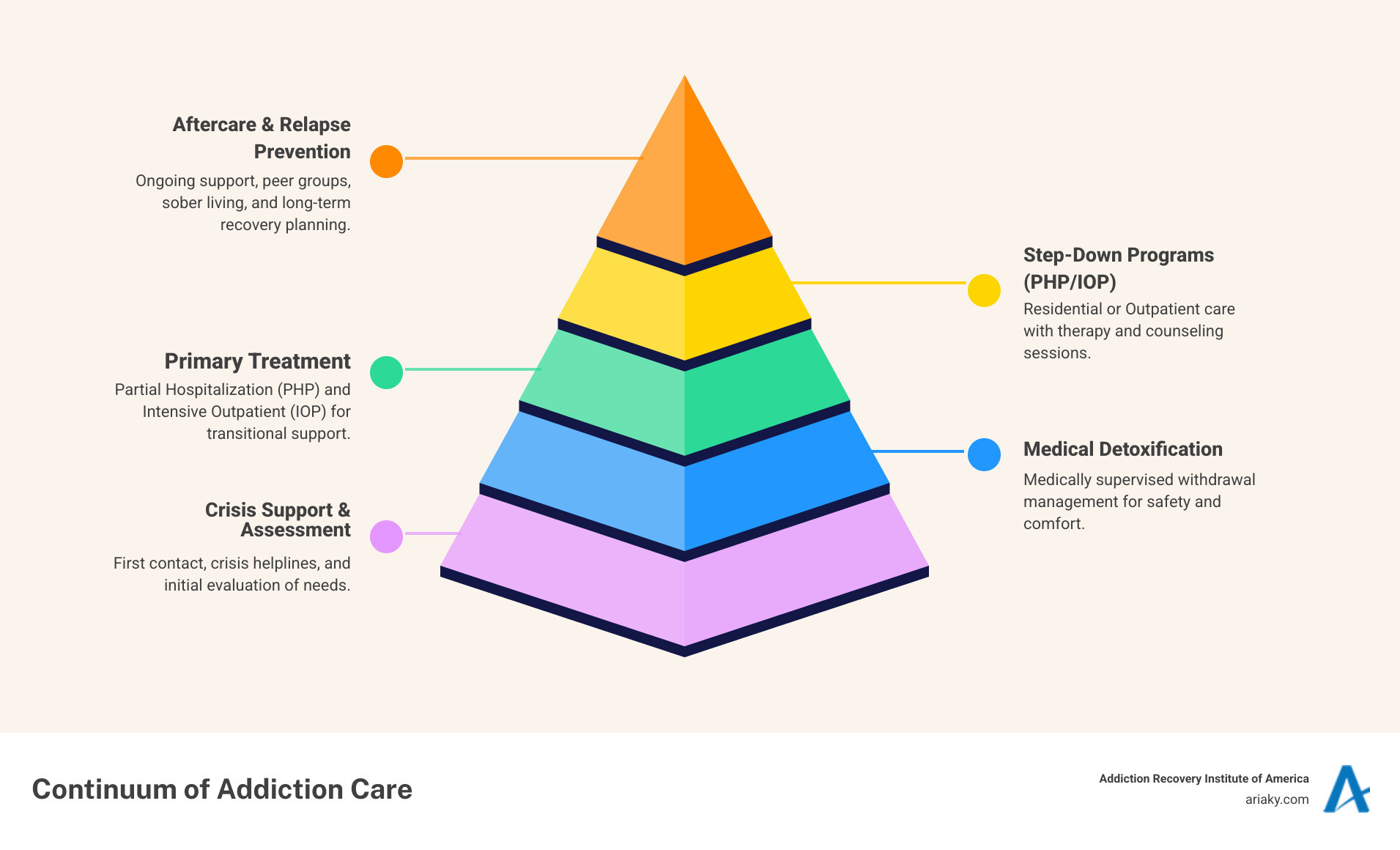
The different approaches to addiction support services are generally categorized by levels of care, which dictate the intensity and structure of the program. These levels are designed to meet individuals wherever they are in their struggle, offering a continuum of support that can be adjusted as their needs change.
Here’s a comparison of the primary treatment settings:
| Feature | Inpatient/Residential Treatment | Outpatient Treatment |
|---|---|---|
| Environment | 24/7 supervised, structured, sober living | Live at home, attend scheduled sessions |
| Intensity | High-level, immersive therapy, constant support | Flexible, varying intensity (IOP, PHP, standard OP) |
| Medical Care | Continuous medical monitoring, medication management | Scheduled medical appointments, medication management |
| Daily Life | Focus solely on recovery, removed from triggers | Integrate treatment with work, school, family responsibilities |
| Support | Peer community, professional staff, group & individual therapy | Group & individual therapy, family support, peer meetings |
| Flexibility | Limited | High |
| Cost | Generally higher, but often covered by insurance | Generally lower, more accessible |
For a deeper dive into these differences, you can explore our guide on inpatient vs outpatient treatment.
Inpatient and Residential Programs
Imagine a place where your sole focus is healing, surrounded by professionals and peers who understand your struggle. That’s the essence of inpatient and residential treatment programs. These programs offer a highly structured, immersive environment, providing 24/7 medical supervision and therapeutic support. Clients live at the facility, removed from the daily stresses and triggers of their home environment.
In our residential treatment Kentucky ultimate guide, we detail how these programs provide a safe and sober community where individuals can focus entirely on their recovery. This immersive therapy allows for deep introspection, skill-building, and healing, fostering significant personal growth. For those seeking a comprehensive and comfortable experience, our luxury drug rehab options offer high-end amenities alongside top-tier clinical care, ensuring a holistic approach to recovery.
Outpatient Treatment Programs
Outpatient programs offer a flexible yet effective alternative for individuals who need to integrate treatment with their daily responsibilities. Whether it’s work, school, or family commitments, outpatient services allow clients to live at home while attending scheduled therapy sessions and groups at our facilities in Kentucky and West Palm Beach.
We offer various levels of outpatient care, from highly intensive programs to more flexible options. Our guide on what is outpatient addiction treatment explains how these programs provide structured support without requiring a residential stay. The effectiveness of outpatient treatment, as discussed in our outpatient addiction treatment effectiveness guide, often hinges on a strong support system at home and a commitment to attending all sessions.
Counseling and Therapy
At the heart of all effective addiction support services lies counseling and therapy. These modalities help individuals understand the root causes of their addiction, develop coping mechanisms, and build a foundation for lasting sobriety.
- Cognitive Behavioral Therapy (CBT): This widely used approach helps individuals identify and change negative thought patterns and behaviors that contribute to substance abuse. Our cognitive behavioral therapy program focuses on practical strategies to manage cravings and avoid relapse.
- Dialectical Behavior Therapy (DBT): Often used for individuals with co-occurring mental health issues, DBT teaches skills in mindfulness, emotional regulation, distress tolerance, and interpersonal effectiveness. Learn more about our dialectical behavior therapy program and how it empowers clients to handle intense emotions without resorting to substance use.
- Individual and Group Therapy: Individual sessions provide a private space to explore personal issues with a therapist, while group therapy offers peer support, shared experiences, and a sense of community. Our group therapy program KY fosters a supportive environment where individuals can learn from each other and practice new coping skills.
Core Addiction Support Services: From Detox to Aftercare

The path to recovery is a journey, not a single step. It’s a continuum of care that guides individuals through various stages of healing, building a strong foundation for sobriety along the way. From the initial stages of detox to ongoing aftercare, each phase of addiction support services plays a crucial role in the ultimate success of the recovery journey. Our addiction recovery journey ultimate guide outlines this process in detail, emphasizing the importance of comprehensive, sequential care.
Medically-Supervised Detox
For many, the first critical step in overcoming addiction is detoxification. This is the process where the body rids itself of drugs or alcohol. Depending on the substance and the severity of dependence, withdrawal symptoms can range from uncomfortable to life-threatening. This is why medical detox is not just recommended, but often essential.
At our Kentucky detox facilities, we provide 24/7 medical supervision to ensure safety and comfort throughout this challenging phase. A team of healthcare professionals monitors vital signs, manages withdrawal symptoms with medication, and provides emotional support. Whether it’s an alcohol drug detox or detox from other substances, having medical oversight significantly reduces risks and prepares individuals for the next stages of treatment. You can find more information on our Kentucky drug & alcohol rehab programs: Kentucky detox pages.
Partial Hospitalization (PHP) and Intensive Outpatient (IOP)
Once detox is complete, or for those who don’t require inpatient care, Partial Hospitalization Programs (PHPs) and Intensive Outpatient Programs (IOPs) offer a vital bridge in the continuum of care. These programs provide a high level of support and structured therapy sessions, allowing individuals to transition back to their daily lives while maintaining a strong connection to treatment.
PHPs, as detailed in our PHP program Kentucky complete guide, involve attending treatment for several hours a day, multiple days a week, offering a similar intensity to residential care without the overnight stay. IOPs, often discussed in our guide to the best intensive outpatient program Kentucky, provide fewer hours of treatment per week, allowing for greater flexibility while still offering robust therapeutic interventions. Both PHP and IOP are crucial for developing coping skills, addressing underlying issues, and building a sober support network.
Aftercare and Relapse Prevention
True recovery extends far beyond initial treatment. Aftercare and relapse prevention are ongoing addiction support services designed to sustain sobriety and steer the challenges of long-term recovery. This phase focuses on equipping individuals with strategies to manage triggers, cope with stress, and maintain a healthy lifestyle.
Aftercare often includes continued therapy, participation in sober living environments, and engagement with community resources. Relapse prevention planning is a personalized process that helps individuals identify their unique triggers and develop proactive strategies to avoid returning to substance use. As highlighted in our discussions on addiction recovery challenges, maintaining sobriety is an ongoing effort that benefits immensely from continuous support and a strong recovery network.
Specialized Treatment and Support Systems

Addiction rarely exists in a vacuum. Many individuals struggling with substance use also face co-occurring mental health issues, or they may require specialized approaches custom to the specific substance they are using or their demographic needs. At Aria Kentucky, our Kentucky drug & alcohol rehab programs are designed to offer custom programs that address these diverse requirements.
Dual Diagnosis: Treating Co-occurring Disorders
It’s common for individuals to experience both a substance use disorder and a mental health condition simultaneously. This is known as a dual diagnosis or co-occurring disorder. For instance, someone might use alcohol to cope with anxiety or opioids to numb the pain of PTSD. Addressing both conditions concurrently is crucial for effective treatment.
We understand that mental health issues, including those discussed under Tag: Mental Health Disorder, like anxiety, depression, and PTSD, can fuel addiction, and vice versa. Integrated treatment, as explained by the National Institute of Mental Health on Substance Use and Co-Occurring Mental Disorders, means that both conditions are treated as primary, interconnected issues. This holistic approach leads to more sustainable recovery, as individuals learn to manage their mental health symptoms without relying on substances.
Programs for Specific Addictions
Different substances affect the brain and body in unique ways, requiring specialized treatment protocols. Our addiction support services are designed to target the specific challenges associated with various types of addiction:
- Opioids and Opiates: The opioid crisis has underscored the need for targeted interventions. Our opiate addiction treatment program incorporates medication-assisted treatment (MAT) alongside therapy to manage cravings and withdrawal, providing a comprehensive approach to recovery from substances like prescription painkillers and heroin.
- Alcohol: Alcohol use disorder is one of the most prevalent addictions. Our alcohol treatment Kentucky complete guide outlines programs that address the physical and psychological aspects of alcohol dependence, from detox to long-term sobriety.
- Heroin: As a highly potent opioid, heroin addiction demands immediate and specialized care. Our heroin addiction treatment program focuses on safe detox, intensive therapy, and relapse prevention strategies to help individuals reclaim their lives.
- Meth: Methamphetamine addiction can cause significant neurochemical changes. Our meth addiction treatment program uses evidence-based therapies to address the intense cravings and psychological dependence associated with this powerful stimulant.
Support for Specific Populations
We recognize that certain groups face unique challenges and require custom addiction support services. Our programs are designed to be inclusive and effective for diverse populations:
- Veterans: Those who have served our country often carry the burden of trauma, which can contribute to substance use. Resources like the Veterans Crisis Line provide crucial support, and many treatment centers offer trauma-informed care specifically for veterans.
- First Responders: Police officers, firefighters, and paramedics are regularly exposed to high-stress, traumatic situations. Our first responder addiction treatment program Kentucky addresses their unique experiences and provides a safe space for healing.
- Youth: Adolescents and young adults require age-appropriate interventions that consider their developmental stage.
- Men’s and Women’s Programs: Gender-specific programs can provide a more comfortable and focused environment, addressing issues that are unique to men and women. For instance, our womens rehab program creates a supportive community where women can explore gender-specific trauma and social pressures without judgment.
How to Find and Access Support
Taking the first step to seek help can feel overwhelming, but a wealth of addiction support services are available to guide you. Whether you’re looking for immediate crisis intervention, local treatment options, or resources for a loved one, knowing where to turn is key. If you’re struggling with a drug problem help is closer than you think.
Finding Local Addiction Support Services
Finding the right treatment begins with knowing what’s available in your area. Here’s how to steer the options:
- National Helplines: The Substance Abuse and Mental Health Services Administration (SAMHSA) offers a critical starting point. Their SAMHSA’s National Helpline (1-800-662-HELP) provides 24-hour, free, and confidential treatment referral and information about mental health and substance use disorders in English and Spanish. This is an excellent resource for anyone unsure where to begin.
- Treatment Locators: Online tools like FindTreatment.gov allow you to search for treatment facilities by location, type of service, and insurance options. This confidential and anonymous source helps individuals find facilities for substance use disorder, addiction, and mental health concerns in Kentucky, West Palm Beach, and across the U.S.
- Role of Healthcare Professionals: Your family doctor can be a vital first contact. They can provide initial assessments, offer guidance, and refer you to appropriate addiction support services or specialists. Community health centers also play a crucial role, often providing accessible mental health and substance use disorder services.
Urgent and Crisis Support
When immediate help is needed, especially during a crisis or overdose situation, knowing these resources can be life-saving:
- 988 Suicide & Crisis Lifeline: For urgent mental health or substance use crises, the 988 Suicide & Crisis Lifeline offers 24/7 confidential support. You can call or text 988 to connect with trained crisis counselors who can provide immediate assistance and connect you to local resources.
- Emergency Services: In the event of an overdose or life-threatening situation, call 911 immediately. Emergency medical personnel are equipped to handle acute medical crises associated with substance use.
- Withdrawal Management Centers: For individuals experiencing severe withdrawal symptoms, specialized withdrawal management centers offer a safe, medically supervised environment for detox. These centers ensure medical stability and comfort during the acute withdrawal phase.
The Role of Peer Groups in Addiction Support Services
Peer support groups are a cornerstone of long-term recovery, offering invaluable community and understanding. These groups are free, confidential, and led by individuals with lived experience in recovery.
- Alcoholics Anonymous (AA): Provides 12-step self-help groups to help people achieve sobriety from alcohol.
- Narcotics Anonymous (NA): Offers 12-step self-help groups for individuals seeking recovery from drug addiction.
- SMART Recovery: A science-based program that offers free, peer-led online and in-person support groups for individuals and family members/allies of those living with addiction.
The benefits of peer support are numerous:
- Shared Experience: Connecting with others who understand your struggles fosters a sense of belonging and reduces feelings of isolation.
- Accountability: Group members often hold each other accountable, providing encouragement and constructive feedback.
- Community: These groups build a strong network of support that extends beyond formal treatment, offering companionship and a safe space to share experiences.
Resources for Families and Loved Ones
Addiction impacts not just the individual, but their entire family. Supporting loved ones is a critical component of comprehensive addiction support services.
- Family Therapy: Sessions involving family members can help heal relationships, improve communication, and educate the family unit about addiction. Our family therapy program KY is designed to help families steer the complexities of addiction together.
- Support Groups for Families: Groups like Al-Anon (for families of alcoholics) and Nar-Anon (for families of drug addicts) provide a safe space for family members to share their experiences, learn coping strategies, and receive support.
- Educational Resources: Organizations like Partnership to End Addiction offer valuable resources for parents and loved ones, including coaching and information on prevention, treatment, and recovery. They can help families understand addiction better and how to best support their loved one’s recovery journey.
Navigating Costs and Accessibility
One of the biggest concerns when seeking addiction support services is often the cost. We believe that financial barriers should not prevent anyone from accessing life-saving treatment. Understanding insurance coverage, exploring free or low-cost options, and utilizing modern tools like telehealth can make treatment more accessible. For detailed information, visit our paying for treatment page.
Understanding Insurance and Payment
Many assume that addiction treatment is prohibitively expensive, but insurance often covers a significant portion of the costs.
- Verifying Benefits: It’s essential to verify your insurance benefits before starting treatment. Our team can assist with this process, helping you understand your coverage with providers like Blue Cross Blue Shield and Aetna Insurance. You can easily initiate this by visiting our contact Addiction Recovery Institute of America: insurance verification page.
- Private Pay and Sliding Scale Fees: For those without insurance, or whose insurance doesn’t cover all costs, many facilities offer private pay options or sliding scale fees based on income.
Free and Low-Cost Options
No one should be denied help due to financial constraints. Several resources provide free or low-cost addiction support services:
- Federally Qualified Health Centers (FQHCs): These centers provide care to underserved areas or populations regardless of their ability to pay. Many FQHCs offer mental health and substance use disorder services, and they can be a great starting point for affordable care. You can find an FQHC in your area through national directories.
- Certified Community Behavioral Health Clinics (CCBHCs): CCBHCs provide a comprehensive range of mental health and substance use services and typically serve everyone, regardless of insurance or financial status. They are designed to offer integrated care and are a valuable resource for accessible treatment.
- State-Funded Programs: Many states offer publicly funded treatment programs for individuals who meet certain criteria, often based on income or lack of insurance.
- Non-profit Organizations: Numerous non-profit organizations and charities offer free or reduced-cost treatment and support services.
The Rise of Telehealth and Online Support
Technology has revolutionized access to addiction support services, particularly through telehealth and online platforms.
- Virtual Counseling: Telehealth allows individuals to receive counseling and therapy sessions from the comfort of their home, removing barriers like transportation, childcare, or geographical distance. This increased accessibility means more people can engage in consistent treatment.
- Online Support Groups: In addition to in-person meetings, many peer support groups like AA, NA, and SMART Recovery offer online meetings, making it easier for individuals to connect with a supportive community from anywhere.
Conclusion
Recovery from substance use disorder is a profound journey, and we want you to know that it is absolutely possible. The comprehensive spectrum of addiction support services available today means that no one has to face this challenge alone. From the critical first step of seeking help to the ongoing commitment to aftercare, there are resources and compassionate professionals ready to guide you.
At Aria Kentucky, we are dedicated to providing individualized, evidence-based treatment that addresses the unique needs of each person who walks through our doors in Kentucky or West Palm Beach. We believe in your ability to heal, to grow, and to build a fulfilling life free from addiction.
Taking the first step, reaching out for help, is often the bravest thing you can do. It’s the moment you choose hope over despair, and it opens the door to a healthier, brighter future. Don’t hesitate to connect with us or use the many resources available. Your path to recovery starts now.
Explore our outpatient treatment programs in Kentucky to start your recovery journey