

Understanding Benzodiazepine Withdrawal and Treatment Options
Drugs for benzodiazepine withdrawal primarily involve a medically supervised tapering process, often using longer-acting benzodiazepines like diazepam, combined with adjunctive medications to manage specific symptoms:
Primary Approach:
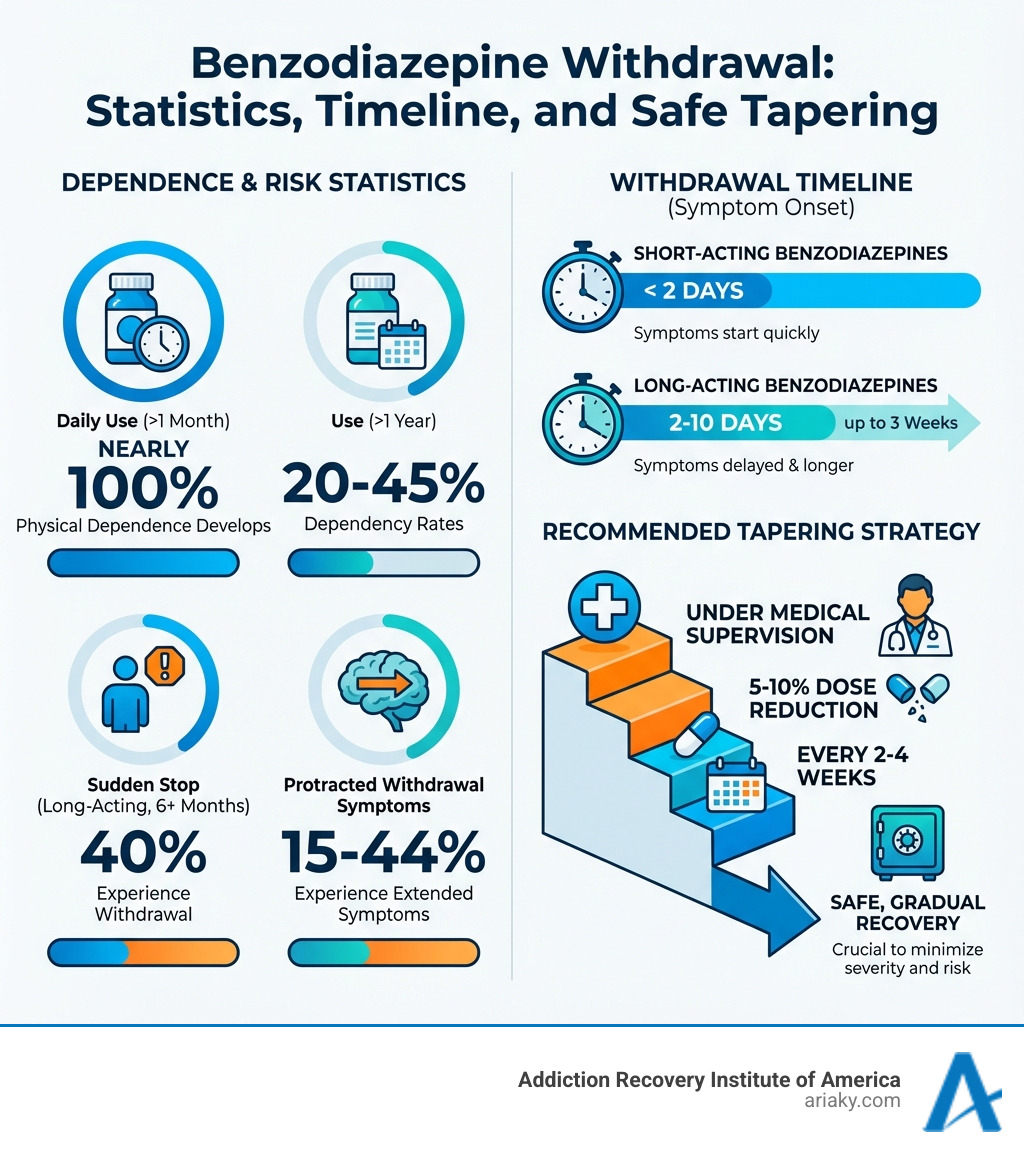
- Gradual dose reduction (tapering) – typically 5-10% every 2-4 weeks
- Switching to longer-acting benzodiazepines (diazepam, chlordiazepoxide) for smoother withdrawal
Adjunctive Medications for Symptom Management:
- Anticonvulsants (carbamazepine, gabapentin, pregabalin) – reduce seizure risk and anxiety
- Beta-blockers (propranolol) – manage physical symptoms like rapid heartbeat and tremors
- Antidepressants (SSRIs) – address co-occurring mood disorders
- Note: Some medications like sodium valproate and buspirone are ineffective and potentially harmful
Benzodiazepines are prescribed medications commonly used to treat anxiety, insomnia, and seizure disorders. Brand names like Xanax (alprazolam), Valium (diazepam), Ativan (lorazepam), and Klonopin (clonazepam) are prescribed to millions of people each year.
While effective for short-term use, benzodiazepines carry significant risks when taken regularly. Physical dependence can develop in nearly everyone who takes these medications daily for over a month – even when taken as prescribed. This isn’t addiction in the traditional sense, but rather a predictable biological response.
The statistics are sobering. Between 20-45% of people who use benzodiazepines for more than a year develop dependency. About 40% of patients who suddenly stop using a long-acting benzodiazepine after six months experience withdrawal symptoms. For some, these symptoms can be severe and even life-threatening if not properly managed.
Stopping benzodiazepines abruptly is dangerous. Withdrawal can cause seizures, psychosis, and other serious complications. That’s why medical supervision during withdrawal is essential.
This guide explains the strategies for safely managing benzodiazepine withdrawal, from the core tapering approach to supportive medications and psychological interventions that address the root causes of dependence.
Essential drugs for benzodiazepine withdrawal terms:
Understanding Benzodiazepine Withdrawal Syndrome
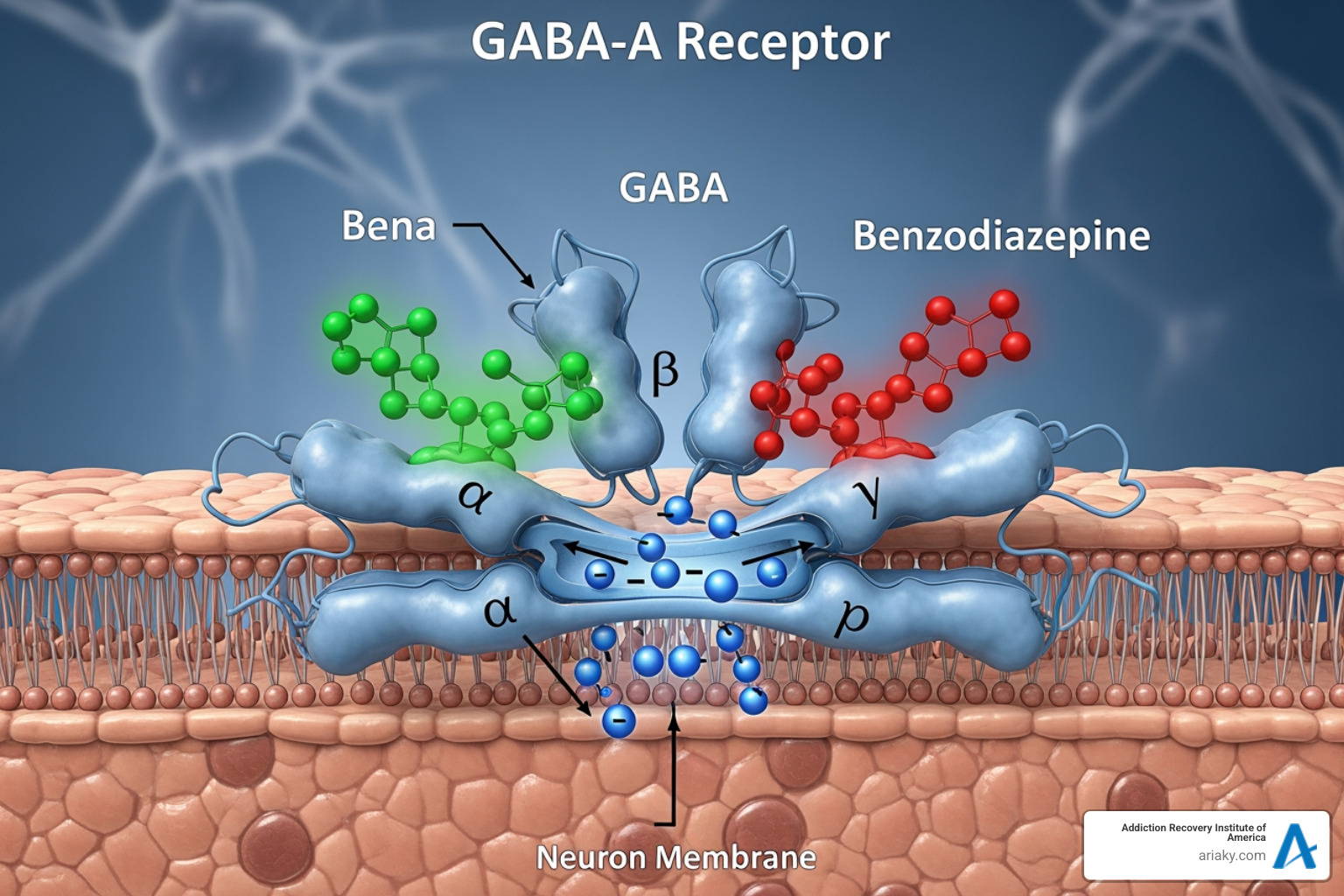
Benzodiazepines work by enhancing the activity of gamma-aminobutyric acid (GABA), the primary inhibitory neurotransmitter in our brain. Think of GABA as the “brakes” of our nervous system, calming excessive brain activity. Benzodiazepines bind to specific sites on GABA-A receptors, increasing the frequency of chloride channel opening, which in turn reduces neuronal excitability. This is why they are so effective at quickly reducing anxiety and promoting sleep.
However, our brains are remarkably adaptable. With regular, long-term benzodiazepine use, our central nervous system undergoes neuroadaptation. This means our brain tries to restore balance by reducing the number or sensitivity of its GABA-A receptors, or by altering their subunit composition. This leads to physical dependence: our body becomes accustomed to the presence of the drug to maintain normal function.
The problem arises when we reduce the dose or stop taking the medication. Without the benzodiazepine, the brain’s “brakes” are suddenly much weaker than they should be, leading to a state of unopposed neuronal excitability. This is the underlying mechanism of benzodiazepine withdrawal. The brain’s delicate balance is thrown off, and the excitatory neurotransmitter glutamate, which normally works in harmony with GABA, can become overactive, contributing to symptoms.
The risks associated with abrupt discontinuation of benzodiazepines are significant and can be life-threatening. If someone stops “cold turkey” after developing physical dependence, they may experience severe complications such as seizures, delirium, and psychosis. Less common but serious risks include catatonia, neuroleptic malignant syndrome-like events, and even myocardial ischemia. This is why medical supervision is not just advised, but absolutely critical for anyone attempting to withdraw from these medications.
Common symptoms of benzodiazepine withdrawal can vary widely in intensity and type. Mild-to-moderate symptoms often include:
- Increased anxiety (often worse than the original anxiety, known as rebound anxiety)
- Insomnia (rebound insomnia)
- Irritability
- Difficulty concentrating and memory problems
- Headaches
- Muscle aches and spasms
- Tremor
- Sweating
- Nausea, vomiting, and diarrhea
- Sensory disturbances like tinnitus (ringing in the ears) or heightened sensitivity to light and sound
More severe symptoms, which highlight the danger of unsupervised withdrawal, can include:
- Panic attacks
- Severe confusion
- Delusions
- Depersonalization (feeling detached from oneself)
- Derealization (feeling detached from reality)
- Hallucinations
- Psychosis
- Seizures
Some individuals experience a “protracted withdrawal syndrome” (PAWS), where symptoms persist for months or even years after discontinuing the medication. These can include persistent tinnitus, cognitive deficits, gastrointestinal complaints, ongoing insomnia, and chronic pain. About 15-44% of chronic benzodiazepine users experience protracted moderate to severe withdrawal symptoms.
The Withdrawal Timeline
The timing and intensity of withdrawal symptoms depend largely on the type of benzodiazepine used, particularly its half-life, which is how long it stays active in the body.
- Short-acting benzodiazepines (e.g., alprazolam, lorazepam): These drugs are eliminated quickly from the body. Withdrawal symptoms can begin relatively rapidly, often within several hours to two days after the last dose. Their rapid clearance can lead to more intense “inter-dose withdrawal” symptoms, where unpleasant feelings emerge between scheduled doses.
- Long-acting benzodiazepines (e.g., diazepam, chlordiazepoxide): These medications remain in the system for a longer duration due to their extended half-lives. Consequently, withdrawal symptoms typically have a delayed onset, appearing anywhere from two to ten days, and sometimes as late as three weeks, after discontinuation. While the onset is slower, the withdrawal period can be prolonged.
The acute phase of withdrawal, where symptoms are most pronounced, generally lasts between 5 to 28 days. However, as mentioned, for some individuals, symptoms can extend into a post-acute withdrawal phase, leading to protracted withdrawal syndrome. Understanding this timeline is crucial for managing expectations and planning an effective tapering strategy. A comprehensive approach is outlined in a guide to tapering benzodiazepines.
Core Pharmacological Strategy: Supervised Tapering
The cornerstone of safe and effective benzodiazepine withdrawal is a gradual dose reduction, also known as tapering. This method is vastly superior to abrupt discontinuation, which, as we’ve discussed, carries significant risks. Our goal at facilities like ARIA Kentucky in Lexington, Louisville, and West Palm Beach, is to prioritize your safety and comfort throughout this process.
Medical supervision is paramount. A healthcare provider can create an individualized taper schedule that minimizes the intensity and severity of withdrawal symptoms. This involves slowly reducing the dosage over weeks, months, or even longer, allowing the brain time to gradually readjust its GABA-A receptors and restore natural balance.
There are generally two main approaches to tapering:
- Direct tapering: This involves gradually reducing the dose of the benzodiazepine you are currently taking. This method is often used for long-acting benzodiazepines that are available in various low-dose formulations.
- Substitution tapering: This involves switching from your current short-acting benzodiazepine to an equivalent dose of a longer-acting benzodiazepine, such as diazepam or chlordiazepoxide, and then gradually tapering the longer-acting agent. This is a common and often preferred strategy due to the smoother withdrawal experience it offers.
Tapering schedules must be highly individualized. Factors such as the original dose, duration of use, type of benzodiazepine, presence of co-occurring conditions, and your personal tolerance to dose reductions all play a role. Initial reductions are often small, typically 5% to 25% of the starting dose, with further reductions of 5% to 25% every one to four weeks. For very high doses, initial reductions might be larger (25-30%), followed by slower, smaller cuts. For long-term users, tapers can sometimes extend beyond a year to ensure comfort and safety.
We believe in a patient-centered process with shared decision-making. This means you provide input, and we adjust the tapering strategy based on your response and symptom management. It’s about finding a pace that works for you, even if it means pausing the taper or maintaining a lower dose indefinitely if symptoms become intolerable.
| Feature | Short-Acting Benzodiazepines (e.g., Alprazolam, Lorazepam) | Long-Acting Benzodiazepines (e.g., Diazepam, Chlordiazepoxide) |
|---|---|---|
| Half-Life | Short (e.g., 6-20 hours) | Long (e.g., 20-100+ hours, including active metabolites) |
| Withdrawal Onset | Rapid (hours to 2 days) | Delayed (2-10 days, up to 3 weeks) |
| Inter-dose Withdrawal | More pronounced | Less pronounced |
| Tapering Difficulty | Can be more challenging due to rapid fluctuations | Generally smoother due to stable blood levels |
| Availability of Low Doses | May be limited | Often available in very low doses (e.g., liquid formulations) |
Why Switch to a Longer-Acting Benzodiazepine?
Switching to a longer-acting benzodiazepine, most commonly diazepam, is a widely recommended strategy in drugs for benzodiazepine withdrawal because it offers several advantages that lead to a smoother and more tolerable withdrawal experience.
- Smoother Withdrawal Experience: Long-acting benzodiazepines have a more stable presence in the bloodstream. This means that as the dose is gradually reduced, the drug levels decline more slowly and consistently, preventing abrupt drops that can trigger severe withdrawal symptoms.
- Fewer Peaks and Troughs: Short-acting benzodiazepines produce rapid peaks and troughs in blood levels, which can lead to uncomfortable “inter-dose withdrawal” symptoms between doses. Longer-acting agents maintain more consistent blood levels, minimizing these fluctuations and the associated discomfort.
- Reduced Inter-Dose Withdrawal: By maintaining stable levels, longer-acting benzodiazepines reduce the likelihood of experiencing acute withdrawal symptoms in the hours before the next scheduled dose, which is a common complaint with short-acting medications.
- Easier Dose Reduction: Longer-acting benzodiazepines, particularly diazepam, are available in very small tablet sizes and sometimes liquid formulations. This allows for extremely gradual dose reductions, sometimes down to micro-doses, which is crucial towards the end of a taper when even small changes can be significant. Compounding pharmacies can also assist in creating custom, very small doses.
- Calculating Equivalent Doses: When switching, a healthcare provider will calculate an equivalent dose of the longer-acting benzodiazepine based on the potency of your current medication. For example, 0.5 mg of alprazolam is roughly equivalent to 10 mg of diazepam. This ensures a safe and effective transition before the tapering process begins.
Adjunctive Drugs for Benzodiazepine Withdrawal

While gradual tapering is the primary strategy, various adjunctive medications can be helpful in managing specific symptoms and reducing the overall severity of benzodiazepine withdrawal. These drugs for benzodiazepine withdrawal do not replace the tapering benzodiazepine but support you through the process, making it more tolerable and reducing the risk of complications. The goal of adjunctive therapy is to mitigate unpleasant physical and psychological symptoms, allowing you to focus on tapering and recovery. Our medical detox services, available in Kentucky and West Palm Beach, are designed to incorporate these supportive medications under close medical supervision to ensure your safety and comfort. You can learn more about our comprehensive approach to withdrawal at More info about our medical detox services.
Commonly Prescribed Drugs for Benzodiazepine Withdrawal
Here are some of the most commonly used adjunctive drugs for benzodiazepine withdrawal:
- Anticonvulsants: These medications are crucial, especially for individuals at higher risk of seizures during withdrawal.
- Carbamazepine: Can help stabilize mood and reduce seizure risk.
- Gabapentin: Often used to reduce anxiety, insomnia, and nerve pain, as well as to prevent seizures.
- Pregabalin: Similar to gabapentin, pregabalin has shown promise in reducing the severity of withdrawal symptoms and may help reduce the risk of relapse.
- Beta-blockers for physical symptoms: These drugs target the physical manifestations of anxiety and sympathetic nervous system overactivity.
- Propranolol: Can effectively manage symptoms like rapid heartbeat, tremors, and sweating, making physical discomfort more manageable.
- Antidepressants for co-occurring mood disorders: Many individuals taking benzodiazepines also struggle with depression or anxiety disorders that predate or are exacerbated by benzodiazepine use.
- SSRIs (Selective Serotonin Reuptake Inhibitors): While some research suggests SSRIs may not be effective for treating depression that emerges after benzodiazepine discontinuation, they can be valuable for treating pre-existing or co-occurring major depressive disorder.
- Trazodone: Often prescribed for insomnia, which is a common and distressing withdrawal symptom.
- Imipramine and Amitriptyline: These tricyclic antidepressants may be used, particularly if chronic pain is a co-occurring issue.
It’s equally important to know which medications to avoid during benzodiazepine withdrawal, as some can worsen symptoms or increase risks:
- Bupropion: Contraindicated due to its potential to increase seizure risk.
- Fluoroquinolone antibiotics: These antibiotics can interact with GABA-A receptors, acting as antagonists, and can precipitate acute withdrawal symptoms or seizures in benzodiazepine-dependent individuals. Examples include ciprofloxacin and levofloxacin.
- Sodium Valproate and Buspirone: Evidence suggests these are not only ineffective but potentially harmful when used during benzodiazepine withdrawal and should be avoided.
- Alcohol and other sedatives: Avoiding these is critical, as they can interfere with the brain’s healing process and increase the risk of complications.
Investigational Approaches in Benzodiazepine Withdrawal
The field of drugs for benzodiazepine withdrawal is continually evolving, with ongoing research exploring novel therapeutic avenues. While current best practices revolve around gradual tapering and adjunctive medications, scientists are investigating new approaches to make the withdrawal process even safer and more effective.
One prominent area of investigation involves flumazenil, a benzodiazepine antagonist. Traditionally used to reverse benzodiazepine overdose or emerge patients from anesthesia, flumazenil is now being studied for its potential to treat benzodiazepine dependence and withdrawal.
Mechanisms under investigation: The theory is that chronic benzodiazepine use leads to changes in the GABA-A receptors, potentially “uncoupling” them or altering their sensitivity. Flumazenil, as a neutral modulator, may help to “reset” these receptors to their original sensitivity, effectively reversing some of the neuroadaptations that cause dependence. It may also act as a partial positive allosteric modulator at specific GABA-A receptor subtypes.
Potential benefits and risks: Preliminary data suggest that flumazenil, administered via intravenous or subcutaneous infusion, can significantly reduce acute and longer-term withdrawal symptoms. It has been shown to reduce craving, increase completion rates of withdrawal, and potentially reduce post-detoxification relapse rates. The development of a longer-acting depot flumazenil formulation, such as an implant, is also being explored for sustained release to manage both acute and protracted withdrawal symptoms.
However, flumazenil is not without risks. Its rapid action can precipitate acute and severe withdrawal symptoms, including seizures, especially in individuals with a high degree of physical dependence or those taking high doses. Therefore, its use requires extreme caution and strict medical supervision, typically in an inpatient setting.
This research highlights the complex nature of benzodiazepine dependence and the ongoing efforts to find more targeted and effective treatments. It is important to emphasize that any investigational approach, including flumazenil, must be conducted under strict medical supervision by qualified professionals. We stay abreast of these developments to ensure we offer the most evidence-based care at our facilities in Kentucky and West Palm Beach.
Integrating Holistic and Psychological Support
Successfully navigating benzodiazepine withdrawal requires more than just medication; it demands a comprehensive, holistic approach. While drugs for benzodiazepine withdrawal are essential for managing physical dependence, they don’t address the underlying reasons for use or teach coping mechanisms for life without them. Our philosophy at ARIA Kentucky is to look beyond the prescription and address the root causes of anxiety, insomnia, or other conditions that led to benzodiazepine use. This integrated approach is crucial for lasting recovery and preventing relapse. We incorporate these principles into our PHP/IOP programs, which you can explore further at More info about our PHP/IOP programs.
The Role of Therapy and Counseling
Psychological interventions play a pivotal role in supporting individuals through benzodiazepine withdrawal and into long-term recovery.
- Cognitive-Behavioral Therapy (CBT): CBT is a highly effective therapy that helps individuals identify and change negative thought patterns and behaviors contributing to anxiety, insomnia, or other mental health challenges. During withdrawal, CBT can equip you with practical strategies to manage anxiety, develop healthy coping skills, and challenge any unhelpful beliefs about your ability to function without medication. Studies have shown that group CBT alongside dose reduction can improve discontinuation rates and quality of life for people during benzodiazepine withdrawal.
- Managing Anxiety: Therapy provides a safe space to process the heightened anxiety often experienced during withdrawal. Techniques learned in CBT, such as relaxation exercises, mindfulness, and exposure therapy, can help you regain a sense of control over your emotional responses.
- Developing Coping Skills: Beyond immediate symptom management, counseling helps you build a robust toolkit of coping skills for stress, sleep difficulties, and emotional regulation. This might include sleep hygiene practices, stress reduction techniques, and communication strategies.
- Relapse Prevention: A significant component of therapy is relapse prevention. This involves identifying triggers, developing a personalized plan to steer challenging situations, and strengthening your resilience to maintain sobriety long-term.
- Support Groups and Peer Support: Connecting with others who understand your experience is invaluable. Support groups offer a sense of community, reduce feelings of isolation, and provide a platform for sharing strategies and encouragement. Peer support specialists, often individuals with lived experience in recovery, can offer unique insights and mentorship.
Special Considerations and Challenges
Managing benzodiazepine withdrawal can be particularly complex for certain populations or in specific circumstances.
- Co-occurring Disorders: Many individuals dependent on benzodiazepines also struggle with other mental health conditions (e.g., depression, PTSD, chronic pain) or substance use disorders. These co-occurring disorders can complicate withdrawal, making symptoms more severe or prolonged. A comprehensive treatment plan must address all conditions simultaneously.
- Polysubstance Use: When benzodiazepines are used with other substances like opioids or alcohol, the withdrawal process is more challenging due to cross-tolerance and the potential for more severe withdrawal syndromes. Integrated care is essential in such cases.
- Long-Term Users: Individuals who have taken benzodiazepines for many years often require much slower and more protracted tapers. Their brains have undergone more significant neuroadaptation, and their psychological dependence may be deeply ingrained. Tapers for long-term users can sometimes take over a year, with patient input guiding the pace.
- Considerations for Older Adults (Seniors): This demographic presents unique challenges due to physiological changes and increased vulnerabilities.
- Slower Metabolism: As we age, our metabolism slows, meaning benzodiazepines stay in the body for much longer. The elimination half-life of some benzodiazepines, like diazepam and chlordiazepoxide, can be twice as long in older adults compared to younger individuals. This necessitates even slower tapering schedules.
- Increased Sensitivity: Older adults are often more sensitive to the effects of benzodiazepines and the severity of withdrawal symptoms.
- Higher Risk of Falls and Cognitive Impairment: Long-term benzodiazepine use in seniors is associated with an increased risk of falls, hip fractures, and cognitive impairment (e.g., memory and concentration problems). Withdrawal can temporarily exacerbate these issues. Studies have shown improvements in cognitive function following successful withdrawal.
- Custom Interventions: Effective interventions for seniors are supportive, adaptive, creative, and non-confrontational, addressing underlying factors and social context. Psychological interventions like CBT are particularly effective. Research is ongoing to develop gender-specific interventions for senior males and females.
These complexities underscore the importance of seeking professional, individualized care from specialists experienced in benzodiazepine withdrawal, like those at our Kentucky and West Palm Beach facilities.
Frequently Asked Questions about Benzodiazepine Withdrawal
Navigating benzodiazepine withdrawal can bring up many questions. Here, we address some of the most common concerns we hear from individuals and their families.
How long does benzodiazepine withdrawal last?
The duration of benzodiazepine withdrawal is highly variable and depends on several factors, including the specific benzodiazepine used (short-acting vs. long-acting), the dosage, the length of time it was taken, and individual physiological differences.
- Acute Phase: For most people, the acute withdrawal phase, where symptoms are most intense, typically lasts from 5 to 28 days. Short-acting benzodiazepines tend to have a quicker, more intense acute phase, while long-acting ones have a more drawn-out acute phase.
- Protracted Withdrawal Syndrome (PAWS): A significant number of individuals (15-44% of chronic users) experience protracted withdrawal symptoms that can persist for months or even years after the medication has been completely discontinued. These symptoms can wax and wane and may include persistent anxiety, insomnia, cognitive deficits, sensory disturbances, and mood fluctuations.
The withdrawal timeline is not linear, and patience and consistent support are vital throughout the process.
Is it safe to detox from benzodiazepines at home?
We cannot stress this enough: detoxing from benzodiazepines at home without medical supervision is extremely dangerous and potentially life-threatening. The risks associated with unsupervised detox include:
- Severe Seizures: Benzodiazepine withdrawal can lower the seizure threshold, leading to life-threatening seizures.
- Psychosis and Delirium: Individuals can experience severe hallucinations, delusions, and a state of acute confusion.
- Cardiovascular Complications: Rapid heart rate, high blood pressure, and in rare cases, myocardial ischemia.
Due to these severe complications, medical supervision is essential. An inpatient medical detox setting, such as those offered at ARIA Kentucky in Ashland, Bowling Green, or Covington, allows for 24/7 monitoring and immediate medical intervention if complications arise. Healthcare professionals can safely administer drugs for benzodiazepine withdrawal and supportive medications to manage symptoms, ensuring your safety and comfort. Inpatient detox is particularly necessary for individuals with a history of seizures, high-dose or long-term use, polysubstance use, or co-occurring mental health conditions.
What is the difference between rebound and withdrawal?
It’s common to confuse “rebound” symptoms with true withdrawal, but there’s a key distinction:
- Rebound Symptoms: These occur when the original symptoms for which the benzodiazepine was prescribed (e.g., anxiety or insomnia) return, often with increased intensity, shortly after the medication is reduced or stopped. It’s essentially the original problem coming back with a vengeance because the brain’s natural mechanisms for managing these symptoms have been suppressed by the drug.
- Withdrawal Symptoms: These are new symptoms that appear as a direct consequence of the body’s physical dependence on the benzodiazepine and its absence. These are symptoms you did not experience before taking the medication or that are qualitatively different from your original condition. Examples include muscle spasms, sensory disturbances, depersonalization, or seizures.
While both can be distressing, understanding the difference helps in guiding treatment and managing expectations during the tapering process. Both rebound and withdrawal symptoms are best managed under professional medical guidance.
Conclusion
Navigating benzodiazepine withdrawal is a significant undertaking, but it is a journey that can be successfully completed with the right support and strategies. Our comprehensive approach to drugs for benzodiazepine withdrawal emphasizes a multi-faceted strategy that combines medically supervised tapering, judicious use of adjunctive medications, and robust psychological and holistic support.
We have explored how gradual dose reduction, often involving a switch to longer-acting benzodiazepines like diazepam, forms the bedrock of safe withdrawal. Adjunctive medications such as anticonvulsants, beta-blockers, and appropriate antidepressants play a crucial role in mitigating uncomfortable and potentially dangerous withdrawal symptoms. While investigational therapies like flumazenil show future promise, the current focus remains on established, evidence-based practices.
Crucially, we understand that recovery extends beyond pharmacology. Integrating psychological interventions like CBT, alongside counseling, support groups, and peer support, addresses the emotional and behavioral aspects of dependence, equips you with vital coping skills, and builds resilience for long-term sobriety. Special considerations for long-term users, individuals with co-occurring disorders, and older adults underscore the need for highly individualized and compassionate care.
The path to recovery is possible, and you don’t have to walk it alone. Emphasizing professional guidance from experienced clinicians ensures your safety and maximizes your chances of success. At ARIA Kentucky, we are dedicated to providing custom treatment programs that guide you toward lasting sobriety and a healthier, benzodiazepine-free life.