

Understanding the Addiction Crisis in Kentucky’s Heart
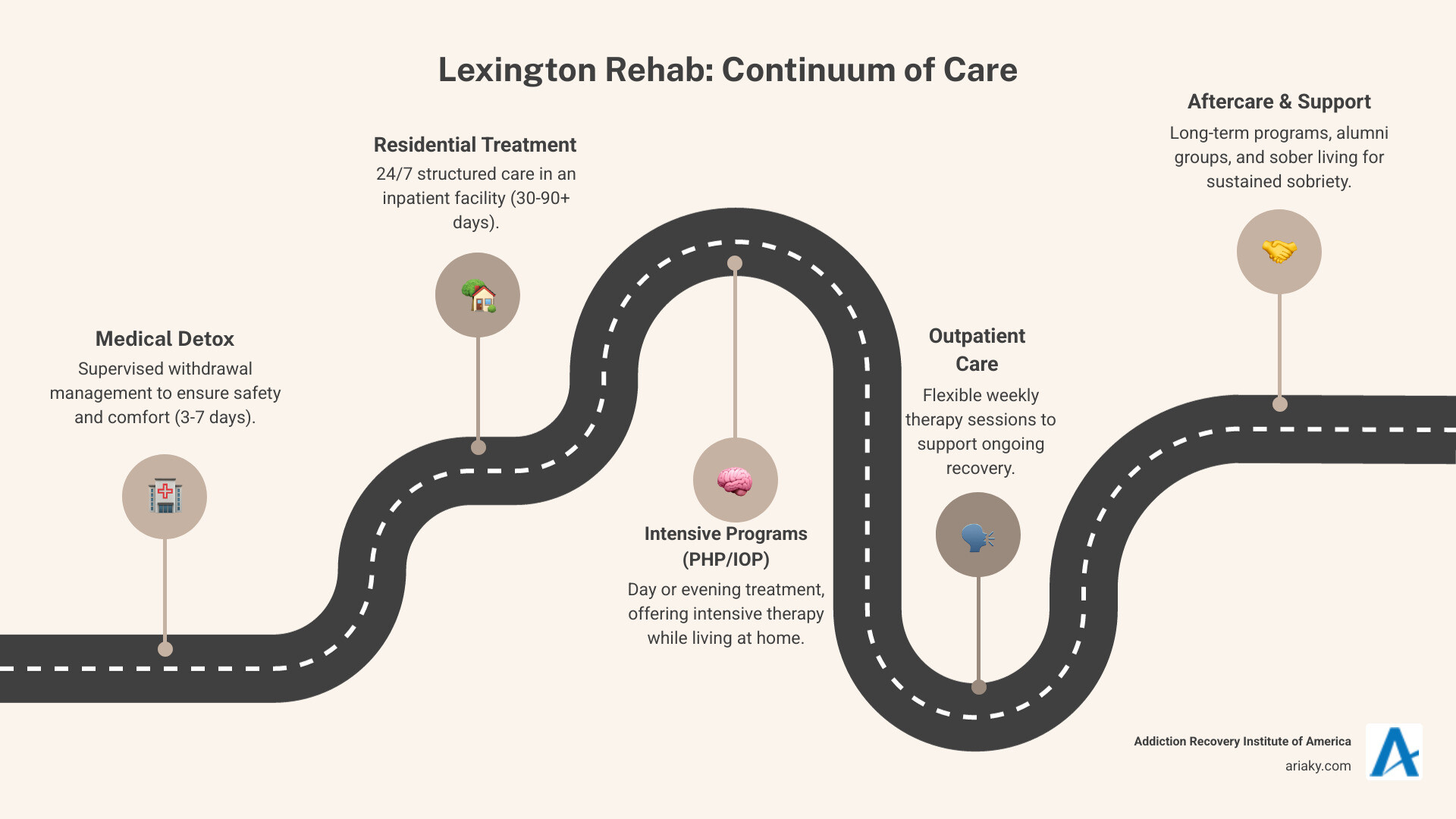
Drug rehab centers Lexington KY offer a range of treatment options for individuals struggling with addiction. If you need immediate help, here are the main types of programs available:
Quick Guide to Lexington Rehab Options:
- Medical Detox – Supervised withdrawal management (3-7 days)
- Residential/Inpatient – 24/7 care in a structured setting (30-90 days)
- Partial Hospitalization (PHP) – Intensive day treatment (5-6 hours/day)
- Intensive Outpatient (IOP) – Flexible evening programs (9-12 hours/week)
- Outpatient (OP) – Weekly therapy sessions (1-2 hours/week)
- Aftercare & Alumni Programs – Long-term support for sustained recovery
The numbers tell a stark story. Over 7,000 Kentuckians have died from substance overdoses in the past six years. In Fayette County alone, where Lexington sits, 568 people lost their lives to overdose between 2015 and 2019. By 2020, that annual number had climbed to over 209 deaths.
Fentanyl has become the leading cause of fatal overdoses across Kentucky. Methamphetamine follows close behind. The crisis has hit Lexington hard – in 2017 alone, emergency services responded to 1,567 opioid-related overdose calls and administered 2,515 doses of naloxone.
But here’s the challenge: Kentucky ranks 51st out of all states for rehab facilities per 100,000 people. Even though more than 40 accredited centers operate in Lexington, many people struggle to find the right help at the right time.
This guide helps you steer that landscape. We’ll walk through the different levels of care available, what to look for in quality treatment, and how to access help. Whether you’re seeking treatment for yourself or a loved one, understanding your options is the first step toward recovery.
The good news? Recovery is possible. Lexington’s rehab centers offer evidence-based treatment, specialized programs for different substances, and comprehensive support from detox through aftercare. Many accept various insurance plans, making treatment more accessible than you might think.
Quick drug rehab centers lexington ky terms:
Understanding the Levels of Care in Addiction Treatment
When beginning the journey to recovery, understand that addiction treatment isn’t a one-size-fits-all solution. Instead, it’s a dynamic process involving different levels of care, often referred to as a “stepped-down approach.” This means that individuals typically start with a higher level of support and gradually transition to lower levels as their stability and coping skills improve. This individualized approach ensures that treatment plans are custom to each person’s unique needs, maximizing their chances for lasting sobriety.

The continuum of care includes various programs designed to meet different stages of recovery and varying degrees of addiction severity. From the initial, critical phase of detoxification to ongoing support systems, each level plays a vital role in building a foundation for a healthier life.
Detox: The First Step
The very first step for many individuals seeking help for substance use disorder is detoxification, or “detox.” This is the process of medically managing withdrawal symptoms as drugs or alcohol are cleared from the body. It’s a critical phase because, during detox, the brain and nervous system rebound after months or years of chemical suppression, which can be dangerous and extremely uncomfortable.
At our accredited facilities, medical detox is supervised by healthcare professionals to ensure safety and comfort. Our team monitors vital signs, administers medications to alleviate withdrawal symptoms, and provides a supportive environment to help individuals steer this challenging initial phase. We understand the fear associated with withdrawal, and our priority is to make this process as safe and tolerable as possible. Whether you’re seeking drug detox in Kentucky or specifically alcohol detox in Lexington KY, finding a medically supervised program is paramount.
Inpatient vs. Outpatient Programs
Once detox is complete, or if detox isn’t necessary, individuals transition into structured treatment programs. The two main categories are inpatient (residential) and outpatient care, each offering distinct benefits:
-
Residential Treatment Program KY (Inpatient): This level of care provides a structured, 24/7 supportive environment where individuals live at the treatment facility. It’s ideal for those who need to remove themselves from triggering environments, require constant medical and therapeutic supervision, or have severe substance use disorders with co-occurring mental health conditions. Residential programs offer intensive therapy, group sessions, and a focus on building new coping mechanisms away from daily stressors. We offer residential treatment programs in Kentucky designed to provide a comprehensive and immersive healing experience.
-
Partial Hospitalization Program (PHP) Kentucky: Often a step down from residential care, PHP is an intensive outpatient program where clients attend treatment for several hours a day, typically five to seven days a week, but return home or to a sober living environment in the evenings. This allows individuals to receive a high level of clinical care while beginning to reintegrate into their daily lives. Our Partial Hospitalization Program (PHP) in Kentucky offers this crucial balance.
-
Intensive Outpatient Program (IOP) Kentucky: IOPs offer more flexibility than PHP, with fewer hours of treatment per week (typically 9-12 hours) spread over several days. This allows individuals to maintain work, school, or family responsibilities while still engaging in robust therapy and support. IOPs are a common follow-up step after completing a PHP, providing greater freedom while continuing to engage in treatment. Learn more about our Intensive Outpatient Program (IOP) in Kentucky.
-
Outpatient Program (OP): This is the least restrictive level of care, typically involving one or two therapy sessions per week. OPs are suitable for individuals who have completed higher levels of care and are ready to maintain their long-term sobriety while fully resuming their normal life schedules. It helps refine recovery skills in the real world with professional support. Explore our outpatient drug rehab options.
Understanding the differences between inpatient vs outpatient care is crucial for making an informed decision. The primary distinction lies in the level of supervision and structure, and how residential treatment for drug addiction differs from outpatient programs in terms of daily living.
What to Look for in Drug Rehab Centers in Lexington KY
Choosing the right drug rehab centers Lexington KY can feel overwhelming, but focusing on key indicators of quality can simplify the process. We believe that effective treatment centers prioritize evidence-based practices, individualized care, and a holistic approach to recovery. For a broader perspective, our Kentucky Addiction Treatment Guide offers valuable insights.
Comprehensive Substance-Specific Programs
Addiction manifests differently depending on the substance, and effective treatment often requires custom approaches. A reputable drug rehab centers Lexington KY will offer specific programs designed to address the unique challenges associated with various substances.
- Alcohol: Alcohol addiction requires specialized care, including medically supervised detox and therapies focused on understanding triggers and developing coping mechanisms. Our alcohol rehab Lexington guide provides detailed information.
- Opioids & Fentanyl: The opioid crisis, driven significantly by fentanyl, demands intensive treatment. Kentucky has seen a staggering increase in fentanyl-related overdose fatalities. Treatment for opioids, including heroin and fentanyl, often involves Medication-Assisted Treatment (MAT) alongside behavioral therapies. For more information, see our Fentanyl rehab Kentucky guide 2025.
- Methamphetamine: Meth addiction is highly prevalent in Kentucky, ranking as the second most common drug in fatal overdoses. Treatment focuses on managing intense cravings, addressing co-occurring mental health issues, and developing long-term strategies for relapse prevention.
- Cocaine: Cocaine addiction treatment emphasizes behavioral therapies to manage cravings and address the psychological dependence on the drug.
- Benzodiazepines: Benzodiazepine (like Xanax or Klonopin) withdrawal can be medically complex and dangerous, requiring specialized detox protocols. Our benzo detox centers are equipped to handle this safely.
- Prescription Drugs: The misuse of prescription medications is a significant concern. These drugs can be as addictive and dangerous as illicit substances. Treatment focuses on safe withdrawal, understanding the root causes of misuse, and developing healthy pain management or stress coping strategies. Our prescription drug detox complete guide offers further details.
We offer custom drug and alcohol treatment programs that are designed to heal individuals in every aspect of their lives, focusing on the specific substance and individual needs.
Evidence-Based and Holistic Therapies
Effective recovery addresses not just the physical addiction but also the underlying psychological, emotional, and social factors contributing to substance use. This is where evidence-based therapies and a holistic approach come into play.
- Cognitive Behavioral Therapy (CBT): CBT is a widely used and highly effective therapy. It helps individuals identify and change negative thought patterns and behaviors that contribute to substance abuse. Our Cognitive Behavioral Therapy program focuses on developing healthier coping mechanisms.
- Dialectical Behavior Therapy (DBT): DBT is particularly helpful for individuals struggling with intense emotions, self-harm, and unstable relationships. It teaches skills in mindfulness, emotional regulation, distress tolerance, and interpersonal effectiveness.
- Trauma Therapy: Research consistently shows that trauma and substance use disorders often go hand-in-hand. Trauma-informed therapy helps individuals process past traumatic experiences in a safe environment, reducing their reliance on substances as a coping mechanism. Our trauma related addiction program KY is designed to address these deep-seated issues.
- Group Therapy: Group sessions provide a supportive community where individuals can share experiences, learn from peers, and practice new social skills. Our group therapy program KY fosters connection and mutual understanding.
- Individual Therapy: One-on-one sessions with a therapist allow for personalized attention to specific issues, triggers, and mental health concerns. Our individual therapy program ensures a custom approach to your recovery journey.
- Family Therapy: Addiction impacts the entire family system. Family therapy program KY helps repair relationships, improve communication, and educate family members on how to support their loved one’s recovery effectively.
- Medication-Assisted Treatment (MAT): MAT combines behavioral therapy with FDA-approved medications to treat substance use disorders, particularly effective for opioid and alcohol addiction. These medications can reduce cravings and withdrawal symptoms, allowing individuals to engage more fully in counseling and behavioral therapies.
Accreditations from organizations like SAMHSA, CARF, and the Joint Commission, along with state licensure and ethical compliance, are crucial indicators of a center’s commitment to delivering safe, evidence-based addiction treatment. We are an accredited, AODE-certified addiction rehab center in Kentucky, ensuring we uphold national standards and ethical practices. For a full overview of available treatments, consult our Substance Abuse Treatment Complete Guide.
Specialized Care and Long-Term Support
Addiction doesn’t discriminate, but the path to recovery can be unique for different demographics. Many drug rehab centers Lexington KY offer specialized programs custom to specific groups, recognizing their distinct needs and challenges.
- Men’s Programs: These programs often focus on issues unique to men, such as societal pressures, emotional expression, and trauma. Our men’s rehab program provides a supportive environment for men to heal.
- Women’s Programs: Women often face specific challenges related to trauma, childcare, and co-occurring mental health disorders. Programs designed for women create a safe space to address these issues. We offer specialized support through our rehab for women initiatives.
- Veterans Programs: Military members and veterans may struggle with PTSD, moral injury, and other service-related trauma that contributes to substance use. Specialized programs, often accepting TRICARE insurance, provide targeted care for these heroes.
Beyond initial treatment, long-term support is vital for sustained recovery. A comprehensive drug rehab centers Lexington KY will emphasize a strong continuum of care that includes:
- Aftercare Planning: This involves creating a detailed plan for life after formal treatment, including ongoing therapy, support groups, and healthy routines.
- Sober Living Arrangements: These residences provide a safe, structured, and substance-free environment for individuals transitioning from inpatient care back into independent living.
- Alumni Programs: Staying connected with a community of peers and mentors who understand the recovery journey is incredibly powerful. Alumni programs offer ongoing support, events, and a network to help prevent relapse.
Finding and Accessing Treatment in Lexington
Navigating the system to find the right drug rehab centers Lexington KY can be daunting, but numerous resources are available to help. We are here to guide you through this process.
There are several statewide and local initiatives dedicated to connecting individuals with the help they need:
- KY HELP Statewide Call Center: For direct assistance in finding substance use disorder treatment or for questions about treatment and recovery, you can call the KY HELP Statewide Call Center at 1-877-318-1871. They operate Monday-Friday from 7:00 am – 10:00 pm EST/EDT, and Saturday-Sunday from 8:30 am – 5:30 pm EST/EDT.
- Kentucky Opioid Assistance and Resource Hotline (KY-OAR): If you need assistance after hours, the KY-OAR hotline is available at 1-800-854-6813.
- Operation UNITE’s Treatment Referral & Help Line: This toll-free line (1-866-908-6483) assists anyone seeking help with a substance use disorder or inquiring about qualifying for a UNITE Treatment Voucher. It’s staffed Monday-Friday, 8 a.m. to 5 p.m.
- Get Help Lex: For resources specific to Lexington, gethelplex.org is an online tool to help you find substance abuse treatment programs in or around Lexington, Kentucky.
- SAMHSA Behavioral Health Treatment Services Locator: A national resource, samhsa.gov/find-treatment, can help you locate treatment facilities across the United States.
We encourage you to contact Addiction Recovery Institute of America directly for personalized guidance and to learn about our specific programs.

How to Pay for Drug Rehab Centers in Lexington KY
One of the most common concerns when seeking treatment at drug rehab centers Lexington KY is the cost. It’s an important consideration, and understanding your payment options is crucial. While we cannot discuss specific pricing, we can outline the general factors that influence cost and the various ways to pay for treatment.
Cost factors can include:
- Level of Care: Inpatient programs are generally more expensive than outpatient programs due to the 24/7 supervision and amenities.
- Duration of Treatment: Longer programs (e.g., 90 days vs. 30 days) will naturally incur higher costs.
- Amenities and Services: Facilities offering luxury amenities, specialized therapies (like neurofeedback), or extensive recreational activities may have higher fees.
- Individualized Plans: Highly personalized treatment plans can sometimes affect costs.
Fortunately, many avenues exist to make treatment accessible:
- Insurance Coverage: Most reputable drug rehab centers Lexington KY accept various forms of private health insurance. We work with major providers like Aetna Insurance and Blue Cross Blue Shield. We recommend using our easy online tool for insurance verification to understand your benefits and potential out-of-pocket expenses. Many centers aim to minimize out-of-pocket costs for clients.
- Medicaid and Medicare: These government-funded programs can cover a significant portion of addiction treatment costs for eligible individuals.
- Government Programs and Vouchers: Initiatives like the UNITE Treatment Voucher program offer financial assistance for residential treatment to low-income individuals in specific Kentucky counties. These programs are vital for expanding access to care.
- Non-Profit Organizations: Some non-profit rehab centers offer free or reduced-cost treatment, often relying on grants and donations.
- Sliding Scale Fees: Some facilities offer a sliding scale, where treatment costs are adjusted based on an individual’s income and ability to pay.
- Self-Pay and Financing: For those without insurance or other financial aid, self-payment plans or healthcare financing options may be available.
Don’t let financial concerns deter you from seeking help. We encourage you to explore all options for paying for treatment and to speak directly with admissions counselors about your situation.
Kentucky’s Good Samaritan Law and Other Legal Info
Kentucky has taken significant steps to address the overdose crisis and encourage individuals to seek help without fear of legal repercussions. Understanding these laws is crucial for both those seeking treatment and those who might witness an overdose.
- Kentucky Good Samaritan Law (SB192): This vital law protects individuals who call 911 to report an overdose from prosecution for possession of drug paraphernalia or small amounts of drugs for personal use. This means you can call for help without fearing arrest, which can be a life-saving measure. This law does not protect those involved in manufacturing or distributing larger quantities of illegal substances.
- Naloxone Access: To combat the rising number of overdose deaths, Kentucky law permits certified pharmacists to dispense naloxone (Narcan) without a prescription. Naloxone is a medication that can rapidly reverse an opioid overdose, and its widespread availability has been instrumental in saving lives across the state, including in Fayette County, where over 8,000 doses were distributed in five years.
- KSP Angel Initiative: The Kentucky State Police (KSP) offers the “Angel Initiative,” a compassionate program designed to connect individuals struggling with addiction to treatment. It’s remarkably simple: you can walk into any of the 16 KSP Posts across the Commonwealth, ask for help, and an “Angel” (a KSP officer or volunteer) will connect you with a treatment center and health professionals. You can even call ahead to schedule a meeting. This initiative removes barriers to entry and provides a direct path to recovery. Learn more about the KSP Angel Initiative.
- Kentucky Drug Court: For individuals within the justice system struggling with substance use disorder, Kentucky offers Drug Court programs. These programs provide an alternative to incarceration, focusing on treatment, rehabilitation, and accountability. Through initiatives like UNITE’s treatment program, individuals can receive information about short- or long-term treatment programs, including Drug Court, as well as aftercare support groups.
These legal frameworks and initiatives demonstrate Kentucky’s commitment to supporting individuals in crisis and fostering a pathway to recovery, highlighting that help is available and accessible.
Frequently Asked Questions about Lexington Rehab
We often hear similar questions from individuals and families seeking help. Here, we address some of the most common inquiries about drug rehab centers Lexington KY.
How long does rehab in Lexington typically last?
The duration of rehab in Lexington, like anywhere else, is highly individualized and depends on several factors, including the severity of the addiction, the presence of co-occurring mental health disorders, and an individual’s progress in treatment.
Typically, programs can range from:
- Medical Detox: Usually 3-7 days.
- Residential/Inpatient: Commonly 30, 60, or 90 days. Some individuals may benefit from longer stays.
- Partial Hospitalization Programs (PHP): Often last for several weeks to a few months.
- Intensive Outpatient Programs (IOP): Can continue for several months, with decreasing intensity over time.
- Outpatient Programs (OP): May last indefinitely as individuals continue to engage in therapy and support groups.
The key is to view recovery as a continuum of care, where the length of stay at each level is determined by clinical need and personal progress. Our Partial Hospitalization Program duration guide offers more insights into the typical length of these intensive programs.
Can rehab centers in Lexington treat mental health issues too?
Absolutely. It’s a well-established fact that substance use disorders and mental health issues often go hand-in-hand. This is known as a “dual diagnosis” or “co-occurring disorders.” For example, many individuals turn to substances to cope with anxiety, depression, PTSD, or bipolar disorder.
Reputable drug rehab centers Lexington KY understand the critical importance of treating both conditions simultaneously. Attempting to treat only one while ignoring the other often leads to relapse. Integrated treatment means that mental health professionals work alongside addiction specialists to develop a comprehensive treatment plan that addresses both the substance use disorder and any underlying mental health conditions.
We recognize the high prevalence of any mental illness (AMI) in the population, and our programs are designed to provide individualized mental health treatment alongside addiction recovery. This holistic approach ensures that individuals receive the complete care needed for lasting healing.
What happens after completing a program at drug rehab centers in Lexington KY?
Completing a primary treatment program is a significant achievement, but it’s not the end of the recovery journey—it’s the beginning of a new chapter. Effective drug rehab centers Lexington KY place a strong emphasis on aftercare planning and long-term support to help individuals maintain sobriety and thrive in their new lives.
Typical aftercare components include:
- Aftercare Planning: Before leaving a program, a personalized aftercare plan is developed. This plan outlines ongoing therapy, support group attendance (like 12-step programs), medication management, and strategies for coping with triggers and preventing relapse. Our after-care support groups are a crucial part of this.
- Alumni Programs: Many centers offer alumni programs that provide a supportive community for former clients. These programs often include regular meetings, social events, and opportunities to mentor newcomers, fostering a sense of belonging and continued accountability.
- Sober Living Arrangements: For some, transitioning directly home might be too challenging. Sober living homes offer a structured, substance-free environment with peer support, allowing individuals to gradually adjust to independent living while reinforcing recovery principles.
- Ongoing Therapy and Counseling: Continuing individual or group therapy sessions after primary treatment can provide ongoing support, help process new challenges, and reinforce coping skills.
- Community Support Groups: Participation in peer-led support groups like Alcoholics Anonymous (AA) or Narcotics Anonymous (NA) is a cornerstone of long-term recovery for many.
The goal of aftercare is to equip individuals with the tools, resources, and support network necessary to steer life’s challenges without returning to substance use, ensuring that the hard work done in rehab leads to lasting sobriety.
Your Path to Recovery Starts Today
The journey to recovery from substance use disorder is one of the most challenging, yet most rewarding, paths an individual can undertake. While the statistics for Kentucky and Lexington can be sobering, they also highlight the urgent need for accessible, compassionate, and effective treatment. We want you to know that recovery is not just a possibility; it’s a reality for thousands of people every day.
Taking the first step can be the hardest, but you don’t have to do it alone. The drug rehab centers Lexington KY landscape offers a guide of hope, providing a range of services from medical detox to comprehensive aftercare, custom to meet diverse needs. Whether you’re struggling with alcohol, opioids, fentanyl, meth, or prescription drugs, there are specialized programs and evidence-based therapies designed to help you heal.
We, at Addiction Recovery Institute of America (ARIA Kentucky), are committed to providing that hope and support. As an accredited, AODE-certified addiction rehab center, we offer custom drug and alcohol treatment programs, including detox, residential, PHP, and IOP, focusing on individualized care for lasting sobriety. Our team of compassionate professionals is dedicated to guiding you or your loved one through every stage of the recovery journey.
If you’re ready to reclaim your life and build a future free from addiction, your path to recovery starts today. Reach out, explore your options, and find the community support that will empower you to achieve lasting sobriety. Find more about how we can help you at our Lexington rehab location.