

Why Finding the Right Rehab in Lexington KY Matters
Rehab in lexington ky offers a range of treatment options to help individuals overcome substance use disorders, from medical detox to intensive outpatient programs. Here’s what you need to know:
Quick Guide to Lexington Rehab Options:
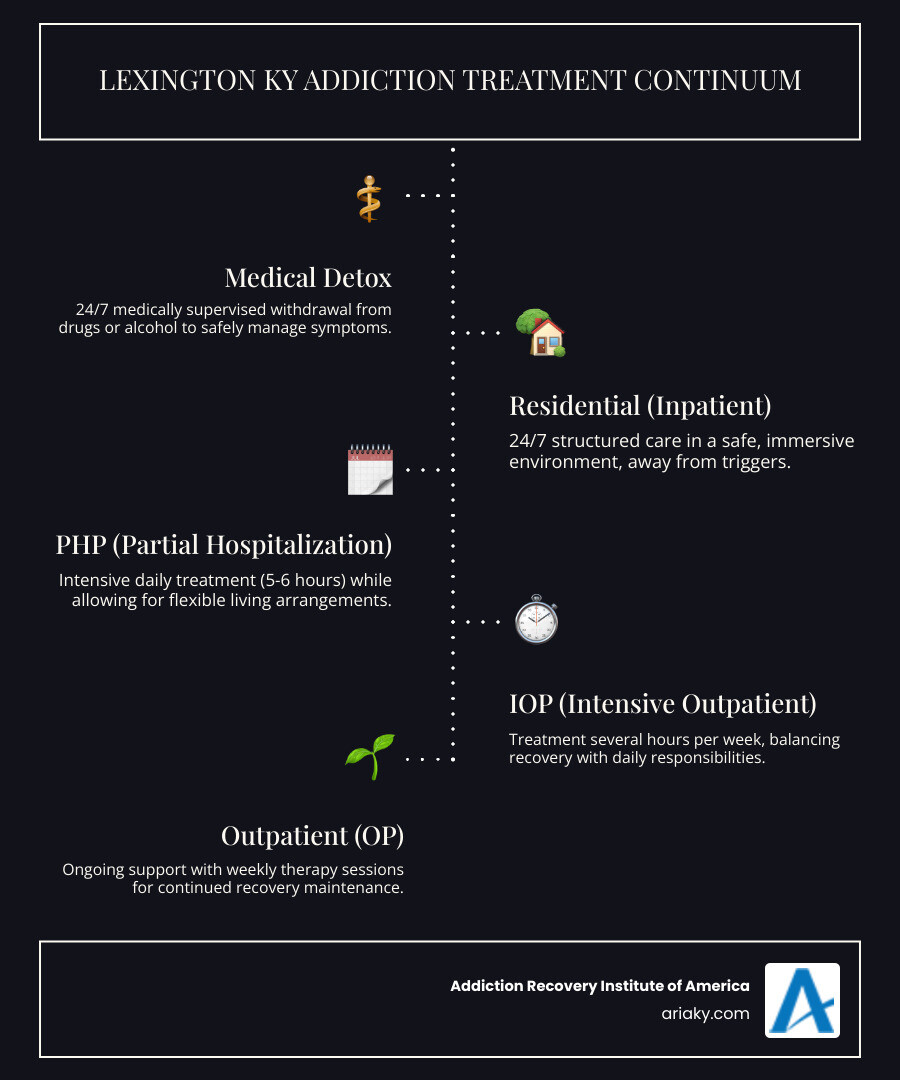
- Medical Detox – Supervised withdrawal from drugs or alcohol with 24/7 medical monitoring
- Residential (Inpatient) – 24/7 structured care in a safe, immersive environment away from triggers
- Partial Hospitalization (PHP) – Intensive daily treatment (typically 5-6 hours) with flexible living arrangements
- Intensive Outpatient (IOP) – Treatment several hours per week while maintaining work, school, or family responsibilities
- Outpatient (OP) – Ongoing support with weekly therapy sessions for continued recovery maintenance
Kentucky faces a serious addiction crisis. Over 7,000 people have died from substance overdoses in the state in just six years. Drug overdose deaths in Kentucky increased by 48% from 2019 to 2020, with fentanyl and methamphetamine driving much of the tragedy.
In Lexington specifically, the Fayette County Coroner reported over 209 overdose-related deaths in 2020 alone. The Lexington Division of Fire and Emergency Services registered 1,567 calls for opioid-related overdoses in 2017.
But here’s the challenge: Kentucky ranks 51st out of 50 states and D.C. for the number of rehab facilities available per 100,000 people. This means getting help can be difficult when you need it most.
The good news? Recovery is possible with the right treatment. Whether you’re seeking help for yourself or a loved one, understanding your options is the first step toward lasting sobriety.
Important rehab in lexington ky terms:
The State of Addiction in Lexington, KY

The prevalence of substance use disorders in Lexington, KY, and surrounding areas is a significant concern, mirroring and often exceeding national trends. We’ve seen the devastating impact these disorders have on individuals, families, and our community.
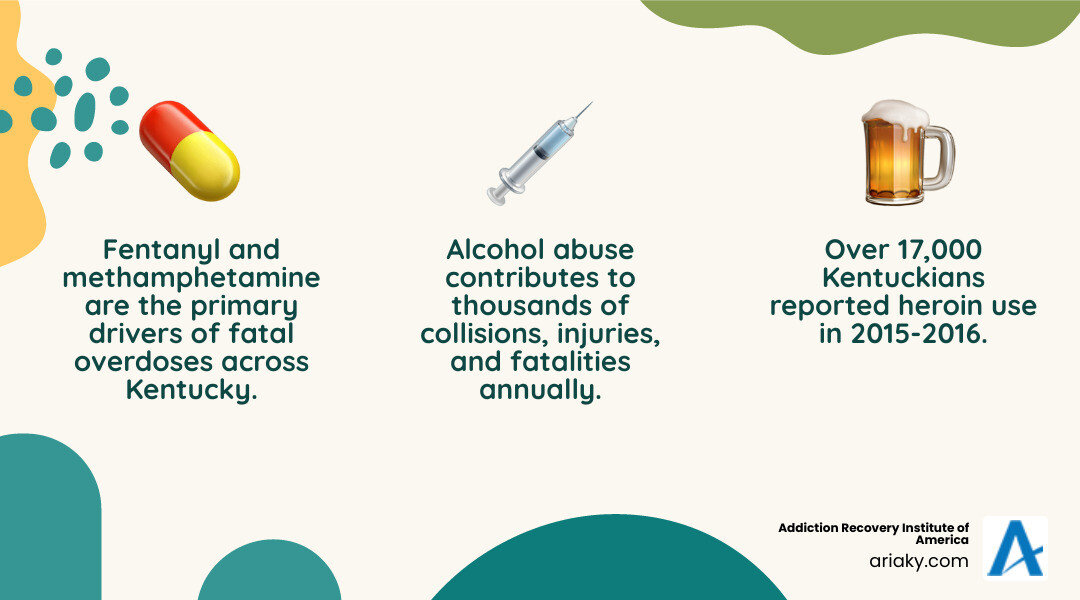
Kentucky has been hit particularly hard by the opioid crisis. The tragic statistic of over 7,000 lives lost to substance overdose in Kentucky in the last six years underscores the severity of the situation. From 2019 to 2020 alone, drug overdose deaths in Kentucky surged by an alarming 48%, with 1,958 Kentuckians dying from overdoses in 2020. Fentanyl and methamphetamine are identified as the primary drivers behind this tragic increase, being the most common drugs involved in fatal overdoses across the state.
Beyond these devastating numbers, the impact of the opioid crisis is felt in other ways. An estimated 17,000 Kentuckians over the age of 18 reported using heroin within the last year, based on 2015-2016 data. Furthermore, 46% of individuals enrolled in subsidized substance use rehabs in Kentucky admitted to misusing opioids (other than heroin) in the 12 months prior to treatment. Alcohol abuse also remains a serious issue, contributing to thousands of collisions, injuries, and fatalities annually.
If you’re looking for a comprehensive overview of substance abuse treatment options in our state, our Substance Abuse Treatment Kentucky Guide offers valuable insights.
Understanding the Local Challenge
When we zoom in on Lexington, the picture becomes even clearer. Fayette County, where Lexington is located, has experienced its own profound struggles with substance use. From 2015 to 2019, 568 overdose deaths were reported in Fayette County, with 209 occurring in 2020 alone. In 2017, the Lexington Division of Fire and Emergency Services responded to 1,567 calls for opioid-related overdoses, and EMS and other first responders administered 2,515 doses of Narcan that same year.
The healthcare system also bears a heavy load. The number of people seeking treatment in a hospital for an unrelated reason but diagnosed with an opioid use disorder in Fayette County rose from 992 in 2012 to 1,579 in 2016. This indicates a growing, underlying issue that extends beyond immediate overdose incidents. The increase in heroin seizures by Lexington police, from a mere 8.5 grams in 2008 to a staggering 11,871 grams in 2017, illustrates the escalating presence of illicit drugs in our community.
Despite these challenges, our community has shown resilience. The “Locks of Addiction” project, for instance, started as a tribute by one woman and grew to include over 200 locals adding locks and personal items, serving as a poignant reminder of our shared struggle and hope. For more detailed information on addiction treatment throughout the state, explore our Kentucky Addiction Treatment Guide.
Legal and Safety Considerations
Kentucky has taken steps to address the opioid crisis through various legal measures aimed at promoting safety and encouraging individuals to seek help without fear of legal repercussions.
One crucial piece of legislation is the Kentucky Good Samaritan Law (SB192). This law provides limited legal immunity to individuals who seek medical assistance for someone experiencing an overdose. It means that if you call 911 to report an overdose, you and the person experiencing the overdose are protected from prosecution for certain minor drug possession or paraphernalia charges. This is vital because fear of arrest has historically prevented people from calling for help, costing lives.
Additionally, Kentucky law has made Naloxone (Narcan) more accessible. Pharmacists are now permitted to dispense Naloxone without a prescription, a critical tool in reversing opioid overdoses. In Fayette County alone, over 8,000 doses of Naloxone were distributed in a five-year period, undoubtedly saving many lives. The state also supports needle exchange programs, which are evidence-based public health initiatives designed to reduce the spread of diseases like HIV and Hepatitis C among people who inject drugs, while also linking them to treatment resources. These legal aspects are designed to create a safer environment for individuals struggling with substance use and to facilitate access to life-saving care.
A Guide to Addiction Treatment Programs in Lexington
Navigating addiction treatment can feel overwhelming, but understanding the various programs available is the first step toward finding the right path to recovery. In Lexington, KY, we offer a comprehensive continuum of care, designed to meet individuals wherever they are in their journey. This means that treatment is not a one-size-fits-all solution; instead, it’s a personalized process that evolves as you heal.
Our goal is always to provide individualized treatment plans, custom to your unique needs, challenges, and goals. We believe that effective recovery requires a flexible approach, adapting to your progress and ensuring you receive the most appropriate level of support at every stage. For an in-depth look at all available options, check out our Addiction Treatment Options Complete Guide.
Medical Detox: The First Step
For many, the journey to recovery begins with medical detox. This isn’t just about “getting clean”; it’s a medically supervised process where the body is safely cleared of drugs or alcohol. Withdrawal symptoms can range from uncomfortable to life-threatening, making professional medical oversight crucial. During detox, our medical team provides 24/7 monitoring and, when necessary, administers medications to manage withdrawal symptoms, ensuring your safety and comfort.
We offer specialized detox programs for various substances, including:
- Alcohol detox: Managing severe and potentially dangerous alcohol withdrawal symptoms.
- Opioid detox: Using medication-assisted approaches to ease withdrawal from opioids like heroin, fentanyl, and prescription painkillers.
- Benzodiazepine detox: Safely tapering individuals off benzodiazepines, which can also have severe withdrawal effects.
This initial phase is about stabilizing your physical health, preparing you for the deeper therapeutic work that follows. Learn more about our approach to Medical Detox, Alcohol Detox Lexington, KY, and Drug Detox Kentucky.
Residential (Inpatient) Rehab
Following detox, many individuals benefit from residential (inpatient) rehab. This level of care provides a 24/7 structured environment, offering an immersive experience completely focused on recovery. By removing you from the triggers and stressors of your daily life, residential treatment allows you to fully engage in therapy and healing.
In a residential setting, you’ll live at the facility, surrounded by peers who understand your struggles. This shared experience fosters a powerful sense of community and peer support, which is invaluable for recovery. The structured daily schedule typically includes individual and group therapy, educational sessions, and recreational activities, all designed to equip you with the tools and strategies for long-term sobriety. For more detailed information on this immersive treatment option, explore our Residential Treatment Kentucky Ultimate Guide.
Partial Hospitalization Program (PHP)
As you progress in your recovery, a Partial Hospitalization Program (PHP) often serves as an excellent step-down from residential care or as a primary treatment for those needing intensive support without 24/7 supervision. Our PHP programs offer intensive daily treatment, typically 5-6 hours a day, five days a week. It’s like having the intensity of inpatient care but with the flexibility to return home or to a sober living environment in the evenings.
PHP provides a highly structured therapeutic environment, allowing you to immerse yourself in various therapies and educational sessions during the day. This level of care is ideal for those who have achieved initial stability and are ready to begin integrating back into their daily lives while still receiving robust support. Find more about our Lexington PHP Treatment Complete Guide and our PHP Treatment Kentucky Complete Guide.
Intensive Outpatient Program (IOP) and Outpatient (OP)
For many individuals, the journey to lasting recovery involves balancing treatment with life’s responsibilities. That’s where Intensive Outpatient Programs (IOP) and Outpatient (OP) services come in. These programs offer flexibility, allowing you to continue living at home, working, attending school, or caring for family while still receiving essential therapeutic support.
IOP provides structured treatment for several hours per week, more flexible than PHP but still offering significant support. This allows you to apply the coping skills and strategies you’re learning in real-time, navigating the challenges of everyday life with professional guidance. As you gain confidence and stability, you might transition to an OP program, which involves fewer hours of therapy per week. OP focuses on maintaining long-term sobriety, reinforcing healthy habits, and addressing any emerging challenges. This gradual step-down approach is crucial for building a strong foundation for lasting recovery.
You can learn more about these flexible and effective treatment options through our IOP Program Lexington, Intensive Outpatient Programs Kentucky Guide, and Outpatient Addiction Treatment Effectiveness Guide.
Key Components of Effective Rehab in Lexington KY
Effective rehab in lexington ky isn’t just about stopping substance use; it’s about healing the whole person. We believe in an evidence-based approach, meaning our treatments are rooted in scientific research and proven methodologies. This ensures that you receive the most effective care available. Beyond that, we accept a holistic perspective, addressing not just the physical aspects of addiction but also the mental, emotional, and spiritual dimensions of well-being. This comprehensive approach is vital for sustainable recovery. The National Institute on Drug Abuse (NIDA) emphasizes that effective treatment attends to multiple needs of the individual, not just their drug use, and that remaining in treatment for an adequate period is critical. For more on these foundational principles, consider exploring NIDA’s Principles of Effective Treatment. We dig deeper into our therapeutic strategies in our Lexington Addiction Treatment Therapy Programs.
Core Therapeutic Modalities
At the heart of any successful recovery program are the therapeutic modalities that guide individuals toward healing. We use a range of evidence-based therapies, custom to meet your specific needs:
- Cognitive Behavioral Therapy (CBT): This widely used therapy helps you identify and change negative thought patterns and behaviors that contribute to substance abuse. It’s about learning to recognize triggers and developing healthier coping mechanisms. Our Cognitive Behavioral Therapy Program offers a deep dive into this effective approach.
- Dialectical Behavior Therapy (DBT): Often used for individuals with co-occurring mental health disorders, DBT focuses on teaching skills in four key areas: mindfulness, distress tolerance, emotion regulation, and interpersonal effectiveness. It’s particularly effective for those struggling with intense emotions. Explore our Dialectical Behavior Therapy Program for more details.
- Individual Therapy: One-on-one sessions with a licensed therapist provide a safe and confidential space to explore the underlying causes of your addiction, process trauma, and develop personalized coping strategies. This personalized attention is crucial for deep healing. Learn more about our Individual Therapy Program.
- Group Therapy: Sharing experiences and insights with peers in a supportive group setting can be incredibly powerful. Group therapy helps reduce feelings of isolation, builds communication skills, and offers diverse perspectives on recovery challenges.
Treating Co-Occurring Disorders (Dual Diagnosis)
It’s common for individuals struggling with substance use disorder to also experience mental health conditions. This is known as a dual diagnosis or co-occurring disorder. In fact, many people use drugs or alcohol to self-medicate symptoms of anxiety, depression, trauma, PTSD, bipolar disorder, or even obsessive-compulsive disorder (OCD). The National Institute of Mental Health (NIMH) provides statistics on the Prevalence of Any Mental Illness (AMI), highlighting how widespread these conditions are.
Effective treatment for dual diagnosis requires an integrated approach, meaning both the substance use disorder and the mental health condition are treated simultaneously. Addressing only one aspect is like trying to fix a leaky faucet while the pipes are still bursting! Our programs are designed to provide this integrated care, ensuring that underlying mental health issues are identified and managed alongside addiction treatment. This is particularly crucial for individuals with a history of trauma, which can significantly contribute to substance use. Our Trauma Related Addiction Program KY is specifically designed to address these complex needs.
Medication-Assisted Treatment (MAT)
Medication-Assisted Treatment (MAT) is an evidence-based approach that combines FDA-approved medications with behavioral therapies and counseling. It’s particularly effective for opioid and alcohol use disorders, helping to reduce cravings and prevent relapse. MAT is not simply substituting one drug for another; it’s a comprehensive approach that supports individuals in achieving and maintaining recovery.
These medications can significantly ease withdrawal symptoms, making the detox process more manageable and increasing the likelihood of successful treatment engagement. They can also help normalize brain chemistry, reducing the intense cravings that often lead to relapse. For more information on the role of medications in addiction treatment, NIDA provides valuable resources on Addiction Medications.
Specialized Programs for Diverse Needs
We understand that everyone’s journey is unique, which is why we offer specialized programs designed to address the specific needs of diverse populations. These programs provide a more focused and empathetic approach, acknowledging that certain demographics may face distinct challenges or require particular support systems.
Here are some examples of specialized program types you might find in rehab in lexington ky:
- Women’s Rehab Program: Custom to address issues unique to women, such as trauma, domestic violence, and family responsibilities, in a supportive, gender-specific environment.
- Men’s Rehab Program: Focuses on challenges men often face, including societal pressures, anger management, and emotional expression, within a peer-supported setting.
- Veterans Programs: Designed for military personnel, veterans, and their families, often incorporating trauma-informed care for PTSD and other service-related mental health conditions, and accepting TRICARE insurance.
- Young Adult Programs: Addresses the developmental stage and specific life challenges of young adults, focusing on education, career, and healthy social development.
- Seniors Programs: Caters to the unique physical and psychological needs of older adults, often involving medical management of co-occurring health issues.
- LGBTQ+ Friendly Programs: Provides a safe and affirming environment for LGBTQ+ individuals, addressing discrimination and identity-related stress.
- Trauma-Informed Care: Integrates an understanding of trauma into all aspects of treatment, recognizing its profound impact on addiction.
- Dual Diagnosis Treatment: As mentioned earlier, programs specifically designed to treat co-occurring mental health disorders alongside substance use.
How to Choose and Pay for a Lexington Rehab Center
Choosing the right rehab in lexington ky is one of the most critical decisions you’ll make on the path to recovery. It’s not just about finding a center, but finding the right center for you or your loved one. When you’re making this choice, there are several key factors to consider. Look for a facility whose treatment philosophy aligns with your values, whether that’s a 12-step approach, a more holistic model, or a strong emphasis on evidence-based therapies.
Staff qualifications are paramount. Ensure the team includes licensed and experienced professionals, such as therapists, doctors, nurses, and recovery coaches, who are experts in addiction medicine and mental health. Finally, a good rehab center will prioritize aftercare planning from day one. Recovery is a marathon, not a sprint, and a solid plan for continued support after formal treatment is essential for long-term success.
Finding the Right Fit for Rehab in Lexington KY
When searching for the best rehab in lexington ky, we strongly recommend looking into a center’s accreditation and licensing. Reputable organizations like The Joint Commission and CARF (Commission on Accreditation of Rehabilitation Facilities) provide independent evaluations of a facility’s quality and safety standards. These accreditations are a strong indicator that a center adheres to best practices in patient care.
While success rates can be challenging to quantify due to the complex nature of addiction and individual factors, it’s always worth asking about a center’s outcome data or what measures they take to track client progress. More importantly, prioritize centers that offer truly individualized care rather than rigid, fixed-length programs. No program should discharge a patient based on an arbitrary fixed length of stay, like a “28-day” or “30-day” rehab, if they still require clinical support. Treatment duration should always be based on your clinical needs. For a more comprehensive guide on what to look for, our Drug Rehab Lexington, KY Guide can be very helpful.
Navigating the Cost of Rehab in Lexington KY
Understanding the cost of rehab in lexington ky is often a significant concern for individuals and families. It’s important to know that typical costs can vary widely depending on several factors: the type of program (inpatient vs. outpatient), the amenities offered (basic vs. luxury), the duration of treatment, and the level of individualized care. Generally, residential or inpatient programs tend to be more expensive than outpatient options due to the 24/7 care, accommodation, and comprehensive services provided.
While we cannot provide specific pricing information, we can assure you that investing in addiction treatment is an investment in a healthier, more fulfilling future. Research from the National Institute on Drug Abuse (NIDA) consistently shows that drug addiction treatment is worth its cost, both for the individual and society. You can read more about the value of treatment in NIDA’s publication, Is Drug Addiction Treatment Worth its Cost?. For more general information on how to manage the financial aspects of treatment, our Paying for Treatment page offers valuable guidance.
Insurance and Payment Options
We believe that financial barriers should not prevent anyone from accessing life-saving addiction treatment. Many individuals are pleasantly surprised to learn that their health insurance can significantly cover the cost of rehab in lexington ky. Thanks to the Mental Health Parity and Addiction Equity Act, insurance providers are required to cover substance use disorder treatment comparably to medical and surgical care.
We work with a wide range of private insurance providers, including major carriers like Blue Cross Blue Shield, Aetna Insurance, and Cigna. Many providers also accept Magellan Health Insurance. Our admissions team can help you verify your benefits and understand your coverage.
For those with limited income or no private insurance, options like Medicaid and Medicare can also cover significant portions of addiction treatment. Additionally, many centers offer sliding scale fees based on income, financial aid, or can help connect you with free or low-cost options through government-funded programs and non-profit organizations. Don’t let concerns about cost deter you from reaching out for help; there are often more options available than you might realize.
Building a Foundation for Lasting Recovery
Completing a formal treatment program is a monumental achievement, but it’s just the beginning of a lifelong journey. Building a strong foundation for lasting recovery requires ongoing effort and support. We emphasize the importance of long-term recovery support and equipping you with effective relapse prevention strategies. Recovery is not a destination; it’s a continuous process of growth and learning. Our Addiction Recovery Journey Ultimate Guide provides comprehensive resources to help you steer this path.
The Role of Family in Recovery
Addiction doesn’t just affect the individual; it impacts entire family systems. That’s why we believe that involving families in the recovery process is crucial for long-term success. Through family therapy, we help heal relationships, improve communication patterns, and address any enabling behaviors that may have inadvertently contributed to the addiction cycle.
Educating families about addiction as a disease, not a moral failing, fosters empathy and understanding. When families learn how to set healthy boundaries and provide constructive support, they become an invaluable part of the recovery team. A strong, supportive family can be a powerful force in building a robust support system for the individual in recovery. Find more about how families can engage in the healing process with our Family Therapy Program KY.
Aftercare and Community Support
After completing a formal treatment program, the transition back to daily life can present new challenges. That’s where aftercare and community support become vital. We encourage participation in alumni programs, which offer continued connection with your treatment center and peers, fostering a sense of belonging and accountability.
Sober living homes, such as those provided by Oxford House, offer structured, drug-free environments that bridge the gap between intensive treatment and full independence. These homes provide a safe space to practice new coping skills and integrate back into the community.
Peer support groups are another cornerstone of long-term recovery. Organizations like Alcoholics Anonymous (AA) and Narcotics Anonymous (NA) provide a 12-step framework, while SMART Recovery offers a secular, self-empowering approach. These groups offer invaluable connection, shared experience, and accountability. For more resources on ongoing recovery, visit our Drug Recovery Lexington page.
Begin Your Recovery Journey in Lexington Today
Addiction is a complex but treatable disease, and we want you to know that hope for recovery is always within reach. Taking the first step can feel daunting, but it’s the most courageous decision you can make. Our team at ARIA Kentucky is dedicated to providing comprehensive, individualized care to help you achieve lasting sobriety.
We offer a full continuum of care, from medical detox to intensive outpatient programs, all designed with your unique needs in mind. Our compassionate team of licensed experts is ready to walk alongside you, providing the support, tools, and therapies you need to reclaim your life.
If you or a loved one is struggling with substance use, please don’t hesitate to reach out. Our team is here to answer your questions, verify your insurance benefits, and help you understand your options. Contact us today at Contact Addiction Recovery Institute of America to start your healing journey. Find the support you need at one of the premier rehab centers in Kentucky.