

Your Guide to Safe Benzodiazepine Detoxification
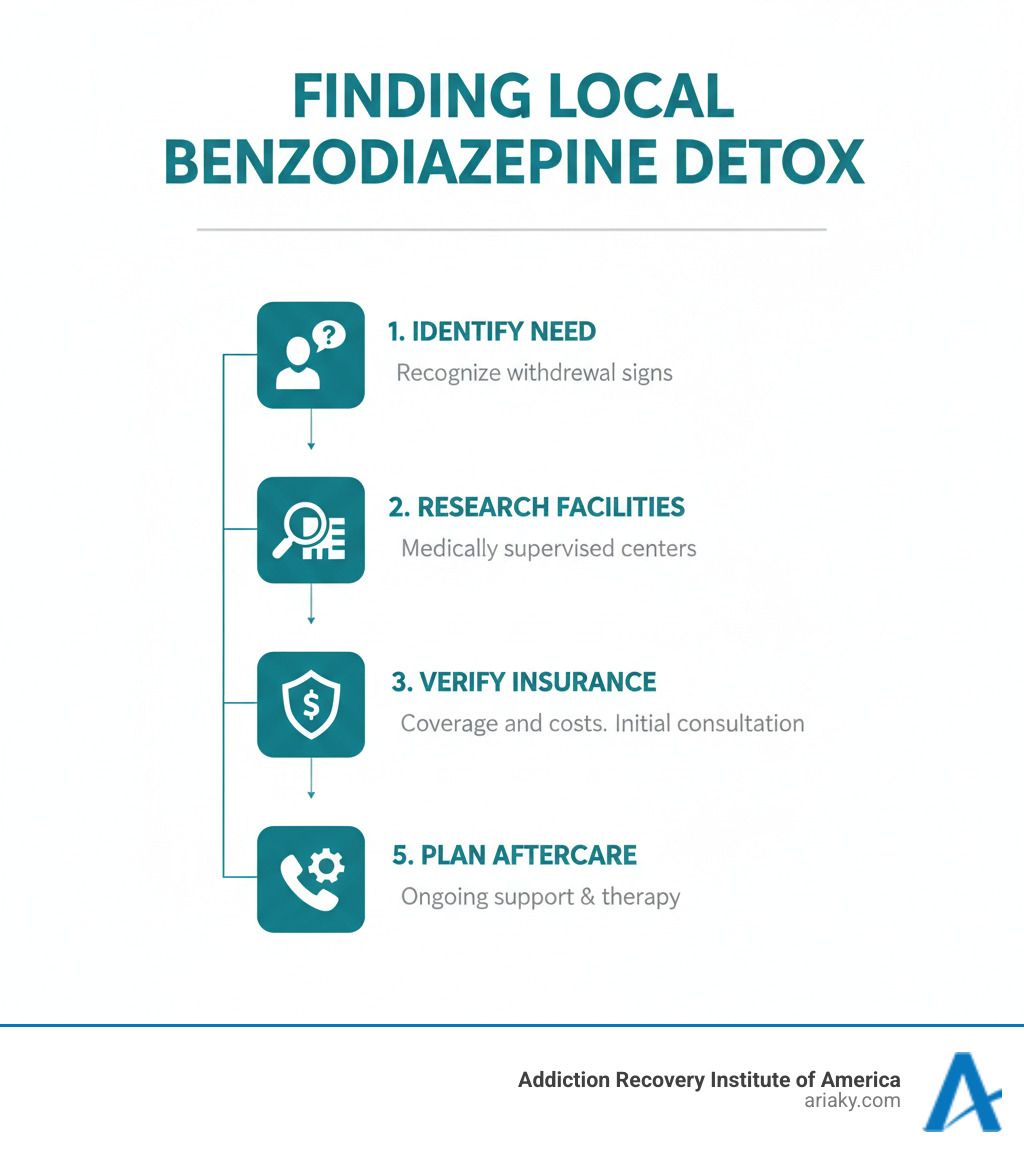
If you are searching for benzodiazepine detox near me, finding the right support is a crucial first step toward recovery. Here’s what to look for:
- Immediate Help: Contact local detox centers or addiction helplines for a quick assessment.
- Medical Supervision: Ensure the facility offers medically supervised detox to handle withdrawal safely.
- Insurance Verification: Confirm your health insurance plan will cover the cost of treatment.
- Personalized Plans: Choose centers that offer individualized detox programs and aftercare support.
Benzodiazepines, or “benzos,” are powerful drugs prescribed for anxiety, insomnia, or seizures. While effective, these medications can lead to physical dependence and addiction, even when taken as directed by a doctor.
When addiction takes hold, trying to stop on your own is dangerous. Withdrawal symptoms can be severe and even life-threatening without medical help. This is why professional detox is not just recommended—it’s essential for your safety.
Finding a safe, effective, and local detox center is the first step to reclaiming your life. This guide will help you understand the process and connect you with the right care.
Understanding Benzodiazepine Dependence and the Need for Detox
Benzodiazepines are prescription central nervous system depressants that calm the body and brain. They are effective for treating panic disorders, anxiety, insomnia, and seizures. However, this powerful calming effect comes with a significant risk of dependence.
Common benzodiazepines include Xanax (alprazolam), Valium (diazepam), Klonopin (clonazepam), Ativan (lorazepam), Librium (chlordiazepoxide), and Halcion (triazolam). All carry the risk of dependence.
Physical dependence can develop in as little as four weeks of regular use. Benzos alter the brain’s GABA receptors, which control anxiety. Over time, the brain adapts and relies on the drug to function normally. This leads to tolerance, where you need higher doses for the same effect. This is a chemical change in the brain, not a personal failing. When it occurs under a doctor’s care, it’s sometimes called iatrogenic dependence.
It’s important to distinguish between physical dependence and addiction. Physical dependence means your body has adapted to the drug and will experience withdrawal if you stop. Addiction involves compulsive drug-seeking and use despite negative consequences. The two often overlap, but in either case, stopping on your own is dangerous. Professional detox is essential for your safety.
Signs You or a Loved One Needs Professional Detox
Recognizing the need for help is a critical step. Benzo addiction often begins with legitimate medical use and can affect anyone. If you’re wondering whether you or a loved one needs professional benzodiazepine detox near me, it’s time to reach out. Key signs include:
- Intense cravings and constantly thinking about the next dose.
- Inability to stop or limit use, despite wanting to.
- Doctor shopping to get more prescriptions or buying pills illicitly.
- Experiencing withdrawal symptoms like anxiety, insomnia, or irritability when trying to quit.
- Neglecting responsibilities at work, school, or home.
- Memory problems, poor judgment, or difficulty concentrating.
- Physical signs like slurred speech, poor coordination, or constant drowsiness.
- Behavioral changes such as social withdrawal, secrecy, or new financial or legal issues.
- Hiding or downplaying your use from loved ones.
If these signs are familiar, our team at Addiction Recovery Institute of America (ARIA Kentucky) is here to help you find your way back to health and stability without judgment.
The Dangers of Combining Benzos with Other Substances
Combining benzodiazepines with other substances, known as polysubstance use, dramatically increases the risk of fatal overdose. This is unfortunately common.
The most dangerous combination is benzodiazepines and opioids. Both drugs suppress breathing, and when taken together, this effect is multiplied. Your breathing can slow to the point of unconsciousness, coma, or death. Nearly a third of all opioid-related overdose deaths also involve benzodiazepines.
Mixing benzodiazepines with alcohol is equally risky. Both are central nervous system depressants that amplify each other’s effects, leading to extreme drowsiness, impaired coordination, and severe respiratory depression. This combination can also cause memory blackouts and a skyrocketing risk of overdose, even at doses that would be safe on their own.
If you are combining benzos with any other depressants, please treat this as an urgent medical situation. Our facilities specialize in complex polysubstance detox and can safely manage withdrawal from multiple substances simultaneously.
The Critical Risks of Withdrawal and Why Medical Detox is Essential

Quitting benzodiazepines “cold turkey” is incredibly dangerous and can be life-threatening. When the drug is suddenly removed, your central nervous system can go into overdrive, causing unpredictable and severe withdrawal symptoms. This is why medical detox is an essential part of a safe recovery.
Serious risks of unsupervised benzo withdrawal include:
- Seizures: Sudden, severe seizures can cause serious injury and may be fatal.
- Psychosis: You may experience hallucinations, delusions, or a complete loss of touch with reality.
- Delirium Tremens (DTs): Severe neurological symptoms similar to alcohol withdrawal can occur, including intense confusion and agitation.
- Severe Anxiety and Panic Attacks: The conditions benzos were meant to treat can return with overwhelming intensity.
- Cardiovascular Distress: Heart palpitations and high blood pressure can strain your heart.
- Extreme Tremors and Muscle Spasms: Uncontrollable shaking is common and distressing.
- Intense Nausea and Vomiting: This can lead to dangerous dehydration and electrolyte imbalances.
- Suicidal Ideation: The psychological pain of withdrawal can be so severe it leads to thoughts of self-harm.
These risks make it clear why detoxing at home is strongly advised against. A professional medical detox facility like ARIA Kentucky provides the continuous monitoring and intervention needed to keep you safe and comfortable during this critical stage.
What to Expect During Medically Supervised Detox
Choosing a medically supervised detox program prioritizes your safety and well-being through a structured and compassionate process.
Here’s what to expect with us:
- Intake and Assessment: Our clinicians will conduct a thorough physical and psychological evaluation to understand your history and unique needs.
- Individualized Care Plan: Based on your assessment, our medical team will create a personalized detox plan custom to the type of benzo used, dosage, and your overall health.
- 24/7 Medical Monitoring: Our team of doctors and nurses provides round-the-clock monitoring of your vital signs and comfort levels, ready to intervene immediately if needed.
- Symptom Management: We use approved medications and techniques to ease withdrawal symptoms like nausea, anxiety, and cravings, keeping you as stable and comfortable as possible.
- Safe and Comfortable Environment: Our inpatient facilities provide a peaceful, protected setting with comfortable rooms and nutritious meals, allowing you to focus entirely on healing.
- Nutritional Support: Balanced, healthy meals are provided to help your body repair itself and regain strength.
- Inpatient Treatment: You will stay at our facility until you are medically stable, which greatly reduces the risks of unsupervised withdrawal and builds a strong foundation for sobriety.
How Long Does Benzodiazepine Detox Take?
One of the most common questions is, “How long will this take?” While it varies, many people complete benzo detox in about 7-10 days. The exact timeline depends on several factors.
Here’s a comparison of withdrawal timelines for short-acting versus long-acting benzodiazepines:
| Benzo Type | Examples | Onset of Withdrawal Symptoms | Peak Withdrawal Symptoms | Acute Withdrawal Duration |
|---|---|---|---|---|
| Short-Acting | Xanax (alprazolam), Ativan (lorazepam) | 8-12 hours after last dose | Around day 2 | 4-5 days |
| Long-Acting | Valium (diazepam), Klonopin (clonazepam), Librium (chlordiazepoxide) | 1-2 days after last dose | Can last 1-2 weeks or more | Up to 2 weeks or more |
Factors that influence your detox duration include:
- Type of Benzodiazepine: Short-acting benzos lead to a faster onset of withdrawal, while long-acting ones have a delayed but more prolonged withdrawal phase.
- Dosage and Duration of Use: Higher doses and longer-term use typically result in a more intense and extended withdrawal period.
- Individual Health: Your overall physical and mental health affects how your body handles withdrawal.
- Co-occurring Disorders: Conditions like anxiety or depression can sometimes complicate the detox process.
It’s also important to know about protracted withdrawal, or Post-Acute Withdrawal Syndrome (PAWS), where symptoms like anxiety and insomnia can linger for months. This affects 10-25% of individuals and highlights the need for continued support after detox.
How to Find the Right Benzodiazepine Detox Near Me

When you’re ready to find a benzodiazepine detox near me, choosing the right facility is about more than just location—it’s about finding a place where you will be safe, respected, and given the best chance at lasting recovery. Our facilities in Kentucky and West Palm Beach are designed to be that place.
Look for a facility with accreditation from organizations like the Joint Commission, which signals adherence to high national standards for safety and quality. Ensure the center has licensed medical staff specializing in addiction medicine, as their expertise is essential for managing complex benzo withdrawal. The best centers use evidence-based treatment approaches and offer a full continuum of care, including residential treatment and outpatient programs, to support long-term recovery.
Because benzodiazepine withdrawal can be severe, 24/7 medical monitoring is non-negotiable. A quality program will also create individualized care plans custom to your specific history and needs. Finally, a safe, comfortable, and supportive atmosphere with a focus on privacy and confidentiality is crucial for healing.
Key Questions to Ask a Benzodiazepine Detox Near Me
When researching options for benzodiazepine detox near me, having questions ready can help you make an informed decision. We welcome these questions at our facilities.
- What is your specific detox protocol for benzodiazepines? Ask if they specialize in benzo withdrawal.
- Do you offer a slow, medically supervised taper? This is the gold standard for safety and effectiveness.
- What medications do you use to manage symptoms? Ensure they use authorized treatments to keep you comfortable.
- What is the staff-to-patient ratio? A lower ratio often means more personalized attention.
- How do you create an aftercare plan? A good facility plans for your continued success after detox.
- What therapies are included during detox? Many programs begin individual or group counseling during this phase.
- How do you handle co-occurring disorders? If you have anxiety or depression, ensure the facility is equipped for dual-diagnosis treatment.
- What are the qualifications of your staff? You are trusting them with your health; they should be licensed and experienced.
What to Expect from a Benzodiazepine Detox Near Me
Choosing a professional program like ours at ARIA Kentucky means entering a structured, supportive environment where your safety comes first. Your journey begins with a thorough medical evaluation to create a personalized tapering schedule. This gradual reduction in dosage is the key to preventing dangerous withdrawal symptoms.
While medical stabilization is the primary goal, we also provide therapeutic support through individual and group sessions to address the emotional aspects of addiction. We use medically-assisted treatment to manage withdrawal symptoms and keep you as comfortable as possible.
Before you complete detox, we work with you to develop a comprehensive plan for your next level of care, whether that’s a residential program, PHP, or IOP. This ensures you have a clear path forward and are never left feeling abandoned. We are committed to treating every person with dignity and respect throughout their recovery journey.
The Recovery Journey: What Comes After Detox?
Completing benzodiazepine detox is a monumental achievement, but it is only the first step. Lasting recovery is built through continued support and therapy that addresses the root causes of addiction. Without this ongoing care, the risk of relapse is high.
After detox, the focus shifts to:
- Relapse Prevention: Learning to identify and manage triggers.
- Building Coping Skills: Developing healthy ways to handle stress and anxiety.
- Addressing Root Causes: Exploring the underlying issues that contributed to dependence, such as trauma or mental health conditions.
This is where true, sustainable change happens, helping you build a fulfilling life in recovery.
Levels of Care for Lasting Sobriety
We offer a full continuum of care at our Kentucky facilities to support your journey. Each level provides structured therapeutic support while helping you move toward greater independence:
- Residential/Inpatient Programs: Live at our facility for 24/7 care in a structured, immersive environment. This is ideal for focusing entirely on healing and reducing the risk of early relapse.
- Partial Hospitalization Programs (PHP): Attend intensive treatment during the day while living at home or in a sober living environment. PHP bridges the gap between inpatient care and returning to daily life.
- Intensive Outpatient Programs (IOP): Participate in several hours of therapy per week while living at home and maintaining work or school commitments. IOP helps you practice coping skills in real-world settings.
- Individual and Group Therapy: Both are cornerstones of treatment. Individual therapy with licensed clinicians using methods like CBT and DBT helps you develop coping skills. Group therapy provides a powerful sense of community and shared experience.
- 12-Step Model Support: For those who find it helpful, we can connect you with 12-step programs that foster personal growth and mutual support.
Creating a Solid Aftercare Plan
Transitioning from treatment back to daily life is a critical phase where a strong aftercare plan is essential. Our team works with you to create this plan before you leave, ensuring you have a safety net to steer the challenges of sobriety.
Your aftercare plan may include:
- Ongoing Therapy: Continue working with a therapist to address root causes and manage stress.
- Support Groups: Participate in groups like Narcotics Anonymous (NA), SMART Recovery, or others to maintain a strong support network.
- Alumni Programs: Stay connected with a community of peers in recovery through alumni events and check-ins.
- Healthy Lifestyle Changes: Incorporate exercise, nutrition, and mindfulness to support your overall well-being.
- Managing Co-occurring Disorders: Ensure continued treatment for any co-occurring mental health conditions like anxiety or depression, which is crucial for holistic recovery.
Engaging with a solid aftercare plan provides the tools and community support needed to sustain a benzo-free life.
Frequently Asked Questions about Benzodiazepine Detox
It’s normal to have questions when considering benzodiazepine detox near me. We’re here to provide clear answers to some of the most common inquiries we receive at ARIA Kentucky.
What is the cost of benzodiazepine detox and does insurance cover it?
The cost of detox varies based on the facility, program length, and level of care. The good news is that most health insurance plans, including Medicaid and Medicare, provide coverage for addiction treatment under laws like the Mental Health Parity and Addiction Equity Act (MHPAEA).
Every policy is different, so we recommend you verify your benefits with your insurance provider. Our admissions team at ARIA Kentucky can also help you steer your policy and understand any out-of-pocket costs. Our goal is to make treatment accessible and support you through the financial aspects of care.
Can I detox from benzodiazepines at home?
We cannot state this strongly enough: attempting to detox from benzodiazepines at home is extremely dangerous and potentially fatal. The withdrawal symptoms can be severe and unpredictable, including seizures, psychosis, and heart complications that require immediate medical intervention.
In a professional facility, you receive 24/7 monitoring, a personalized tapering schedule, and medications to manage symptoms safely and comfortably. Medical supervision dramatically reduces these risks and provides the safest path to a successful recovery.
What is a benzodiazepine taper?
A benzodiazepine taper is the gold standard for safe detox. It is a medically supervised process where the dosage of the medication is slowly and gradually reduced over time. This allows your brain and body to adjust, preventing the severe withdrawal symptoms associated with stopping abruptly.
Here’s what a taper involves:
- Gradual Reduction: The dose is decreased in small increments over weeks or months, depending on your individual needs.
- Medical Supervision: Our medical team creates and adjusts a personalized tapering schedule while continuously monitoring your health and comfort.
- Prevents Severe Withdrawal: The primary goal is to make the withdrawal experience safer and more manageable.
- Potential Switch to a Long-Acting Benzo: Sometimes, we may switch you from a short-acting benzo to a long-acting one (like Valium) to create more stable drug levels in your body, making the taper smoother.
- High Success Rate: Gradual, patient-controlled tapering has a proven high success rate. Dr. Heather Ashton, a leading expert, reported a 90% success rate with her tapering plan, highlighting its effectiveness.
At ARIA Kentucky, we prioritize this slow, patient-centered tapering approach to ensure your comfort and safety.
Take the First Step Towards a Benzo-Free Life Today
The journey to overcome benzodiazepine dependence can feel overwhelming, but you don’t have to walk this path alone. Recovery is an achievable new beginning, and taking the first step is an act of incredible courage.
We know you might feel scared or uncertain. Please know that at ARIA Kentucky, you will find no judgment—only compassion, understanding, and a team dedicated to helping you heal. The decision to seek professional help for benzodiazepine detox near me is a potentially lifesaving one, as quitting without medical supervision is extremely dangerous.
Our experienced team understands the unique challenges of benzo withdrawal and is ready to support you. We provide personalized, evidence-based care in a safe environment. From our medically supervised detox to our comprehensive aftercare planning, we are with you at every stage of your journey.
Your new beginning is waiting. It starts with a single decision to choose hope and healing. We’re here to answer your questions and welcome you into a supportive community where recovery is the expectation.
Don’t let another day pass under the weight of dependence. Find lasting sobriety with our Kentucky detox programs and find what life can be like when you’re free. Contact ARIA Kentucky today, and let’s begin this journey together.