

Why Lexington Addiction Treatment Matters
Lexington addiction treatment offers a path to recovery for individuals struggling with substance use disorders in Central Kentucky. Whether you’re facing opioid dependence, alcohol addiction, or other challenges, Lexington is a regional hub for evidence-based treatment and compassionate care.
Quick Guide to Lexington Addiction Treatment Options:
- Medical Detox – Physician-supervised withdrawal management with 24/7 monitoring
- Residential/Inpatient Rehab – Full-time treatment in a structured environment (typically 28-90 days)
- Partial Hospitalization (PHP) – Intensive care for 5-6 hours daily while living off-site
- Intensive Outpatient (IOP) – Structured therapy 3-4 days per week (9-12 hours total)
- Outpatient (OP) – Flexible weekly sessions for ongoing recovery support
- Specialized Programs – Veterans tracks, MAT (medication-assisted treatment), dual diagnosis care
Addiction is a treatable disease, not a moral failing. It’s a chronic condition affecting the brain that requires professional treatment, just like diabetes or heart disease. The good news is that recovery is possible with the right support.
Lexington is a treatment destination with facilities offering everything from medically managed detox to long-term aftercare. These centers provide evidence-based therapies, medication-assisted treatment, and specialized programs for diverse populations, including those with co-occurring mental health disorders.
This guide will walk you through the levels of care, what to expect during treatment, and how to take the first step toward sobriety. You’ll learn about therapeutic approaches, the role of medication, and the support available to you and your family.
Recovery doesn’t happen in isolation. With a growing network of local treatment centers and alumni support, you’re not alone on this journey.
Lexington addiction treatment terms to know:
Understanding the Levels of Care in Lexington
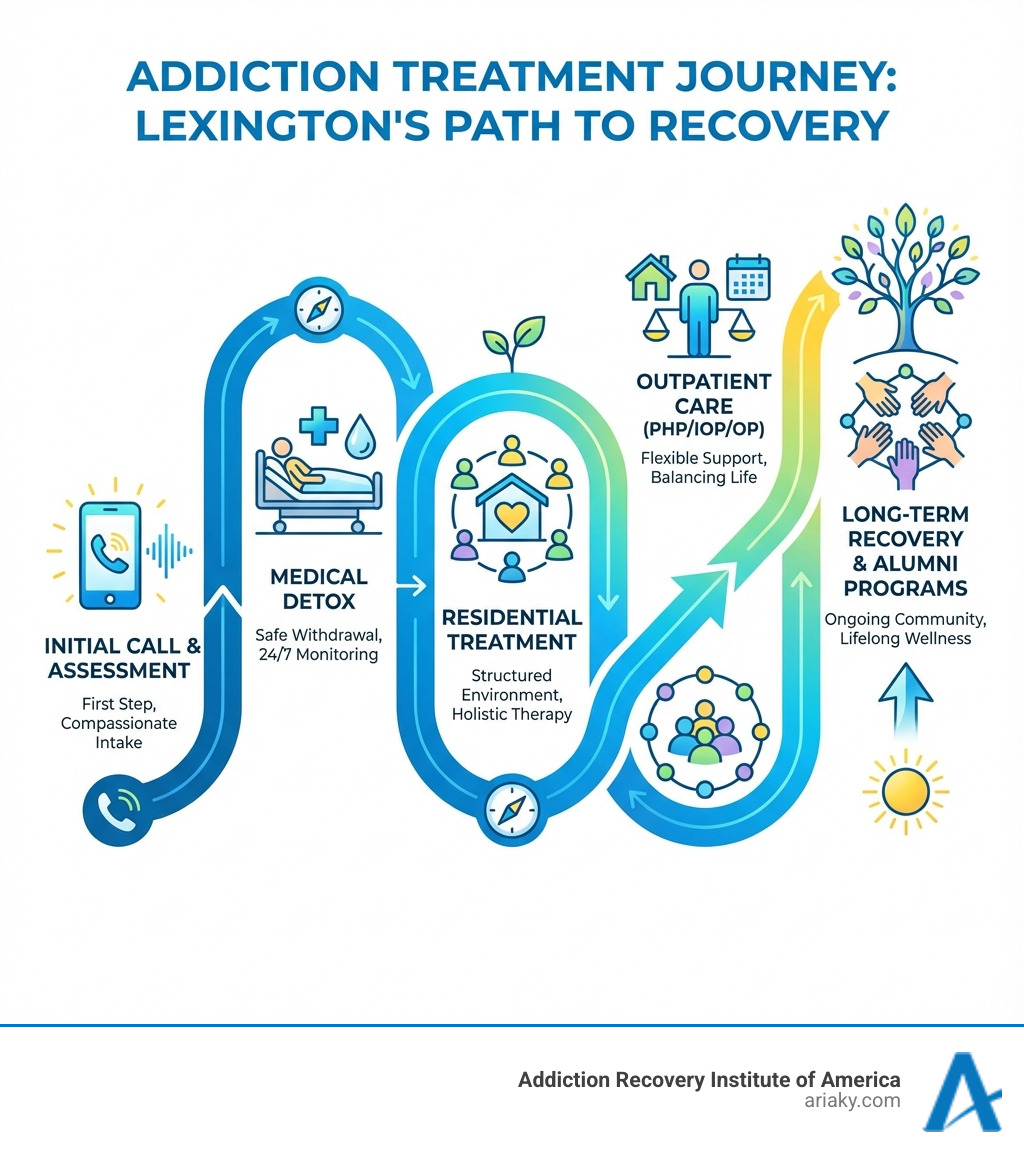
When seeking Lexington addiction treatment, it’s important to understand the different levels of care. Recovery is not a one-size-fits-all journey; it involves a “continuum of care” designed to meet your needs as they evolve. This ensures you receive the right intensity of support at each stage, moving from structured environments to more independent settings. Our goal is to help you find the right fit for lasting sobriety.
Finding the Right Level of Care for Lexington Addiction Treatment
Finding the right level of care is crucial for effective Lexington addiction treatment. Here’s a breakdown of the common levels of care you’ll find:
Medical Detox
This is often the first step. Detox is the medically managed clearing of drugs or alcohol from your body. Withdrawal from substances like alcohol, benzodiazepines, and opiates can be severe and even life-threatening if not properly managed. In Lexington, many facilities provide physician-directed detox services with 24/7 monitoring to ensure your safety and comfort, often using medication to manage withdrawal symptoms. This level of care is essential for anyone with physical dependence.
Inpatient/Residential Treatment
Following detox, many individuals transition to inpatient or residential treatment. This provides a structured, supportive environment where you live at the facility and receive intensive therapy. The duration typically ranges from 28 to 90 days, offering a break from daily triggers to focus solely on recovery in a safe, nurturing environment.
Partial Hospitalization Program (PHP)
A Partial Hospitalization Program (PHP) is a flexible option that still offers intensive care. In a PHP, you attend treatment for several hours a day, five days a week, but return home or to a sober living environment in the evenings. Many centers in Lexington offer PHP, which is an ideal step-down from inpatient care or for those who need significant structure without 24/7 supervision.
Intensive Outpatient Program (IOP)
An Intensive Outpatient Program (IOP) offers structured therapy for a few hours a day, 3-4 days a week. This level of care allows you to balance treatment with work, school, or family responsibilities. It’s a great option for those transitioning from PHP or needing robust support while reintegrating into their community.
Standard Outpatient Program (OP)
The Outpatient Program (OP) is the least intensive level of structured care. It involves flexible weekly sessions, allowing you to continue your recovery journey with professional support while fully engaged in daily life. OP is suitable for those with a stable home environment and strong coping skills who benefit from continued guidance.
Sober Living
Sober living homes provide a safe, drug-and-alcohol-free environment for individuals in recovery. These homes offer peer support and accountability, helping residents practice new coping skills while maintaining sobriety. Some programs offer sober living to emphasize the importance of community and a supportive living situation.
Here’s a quick comparison of some of these levels of care:
| Program Type | Hours per Week | Living Situation | Ideal Candidate |
|---|---|---|---|
| PHP | 25-30+ | Home or Sober Living | Stepping down from inpatient, needing high structure but not 24/7 supervision |
| IOP | 9-12 | Home or Sober Living | Stable, needing significant structure while managing daily responsibilities |
| OP | 1-8 | Home | Stable, needing ongoing support for long-term recovery |
Aftercare and Alumni Programs
Completing a formal treatment program is a monumental achievement, but the journey doesn’t end there. Aftercare and alumni programs are vital components of Lexington addiction treatment, providing long-term support and relapse prevention. These programs help individuals maintain sobriety and build a fulfilling life in recovery.
Leading treatment centers emphasize aftercare, recognizing that ongoing support is key. These services often include:
- Continued Therapy: Individual or group therapy sessions to address new challenges and reinforce coping skills.
- Support Groups: Connections to peer-led groups like Alcoholics Anonymous (AA) or Narcotics Anonymous (NA).
- Mentorship: Opportunities to connect with others who have sustained long-term recovery.
- Relapse Prevention Planning: Developing personalized strategies to identify triggers and manage high-risk situations.
- Alumni Networks: A community of former clients who provide encouragement and accountability.
These programs help individuals build a strong, sober community and ensure they never feel alone on their path to recovery.
Comprehensive Care: What to Expect from Lexington Addiction Treatment
When you choose Lexington addiction treatment, you’re opting for a comprehensive approach that treats the whole person, not just the addiction. This holistic philosophy, combined with evidence-based practices, creates a strong foundation for lasting sobriety. Effective treatment addresses all facets of life – physical, mental, emotional, and spiritual.
Substances Treated in Lexington
Lexington addiction treatment centers are equipped to address a wide range of substance use disorders. Whether you’re struggling with widely known substances or emerging threats, comprehensive care is available.

Here are some of the specific substances treated at facilities in Lexington:
- Alcohol: Alcohol use disorder is one of the most common addictions, and treatment programs offer medical detox and therapies designed for alcohol recovery.
- Opioids: This category includes prescription pain medications (oxycodone, hydrocodone) and illicit opioids. Opioid addiction is often addressed with Medication-Assisted Treatment (MAT) alongside therapy.
- Fentanyl: A powerful synthetic opioid, fentanyl addiction requires specialized treatment due to its potency and high risk of overdose.
- Heroin: As a highly addictive opioid, heroin addiction is typically treated with a combination of medical detox, MAT, and extensive behavioral therapies.
- Methamphetamine (Meth): This stimulant can lead to severe psychological dependence. Treatment focuses on behavioral therapies and relapse prevention.
- Cocaine: Another powerful stimulant, cocaine addiction treatment involves counseling and support to overcome cravings and triggers.
- Benzodiazepines (Benzos): Medications like Xanax and Klonopin can lead to severe physical dependence, necessitating medically supervised detox.
- Prescription Drugs: Beyond opioids and benzos, addiction to other prescription medications is also addressed through custom treatment plans.
Lexington’s treatment centers are prepared to help individuals overcome addiction to these and other substances, offering individualized care.
Therapeutic Approaches and Therapies
Effective Lexington addiction treatment relies on a variety of evidence-based therapies to help individuals understand the roots of their addiction, develop coping mechanisms, and build a foundation for recovery.
Some of the key therapeutic approaches used include:
- Cognitive-Behavioral Therapy (CBT): This therapy helps individuals identify and change negative thought patterns and behaviors that contribute to substance use.
- Dialectical Behavior Therapy (DBT): Often used for co-occurring disorders, DBT teaches skills for emotional regulation, distress tolerance, and mindfulness.
- Trauma Therapy: Recognizing that trauma is a common underlying cause of addiction, many programs offer specialized therapy to help clients heal from the past.
- Group Therapy: Provides a supportive environment where individuals can share experiences, receive peer feedback, and reduce feelings of isolation.
- Individual Counseling: One-on-one sessions with a therapist allow for personalized attention and development of a custom recovery plan.
- Family Therapy: Addiction impacts the entire family. Family therapy helps rebuild trust, improve communication, and heal relationships.
- Holistic Therapies: These therapies address the mind, body, and spirit, complementing traditional treatments with activities like art, music, or mindfulness.
- 12-Step/Life Skills: Many programs integrate the principles of 12-Step programs (like AA or NA) and teach essential life skills for maintaining sobriety.
By combining these diverse therapies, treatment centers in Lexington ensure a comprehensive path to recovery.
Addressing Co-Occurring Disorders (Dual Diagnosis)
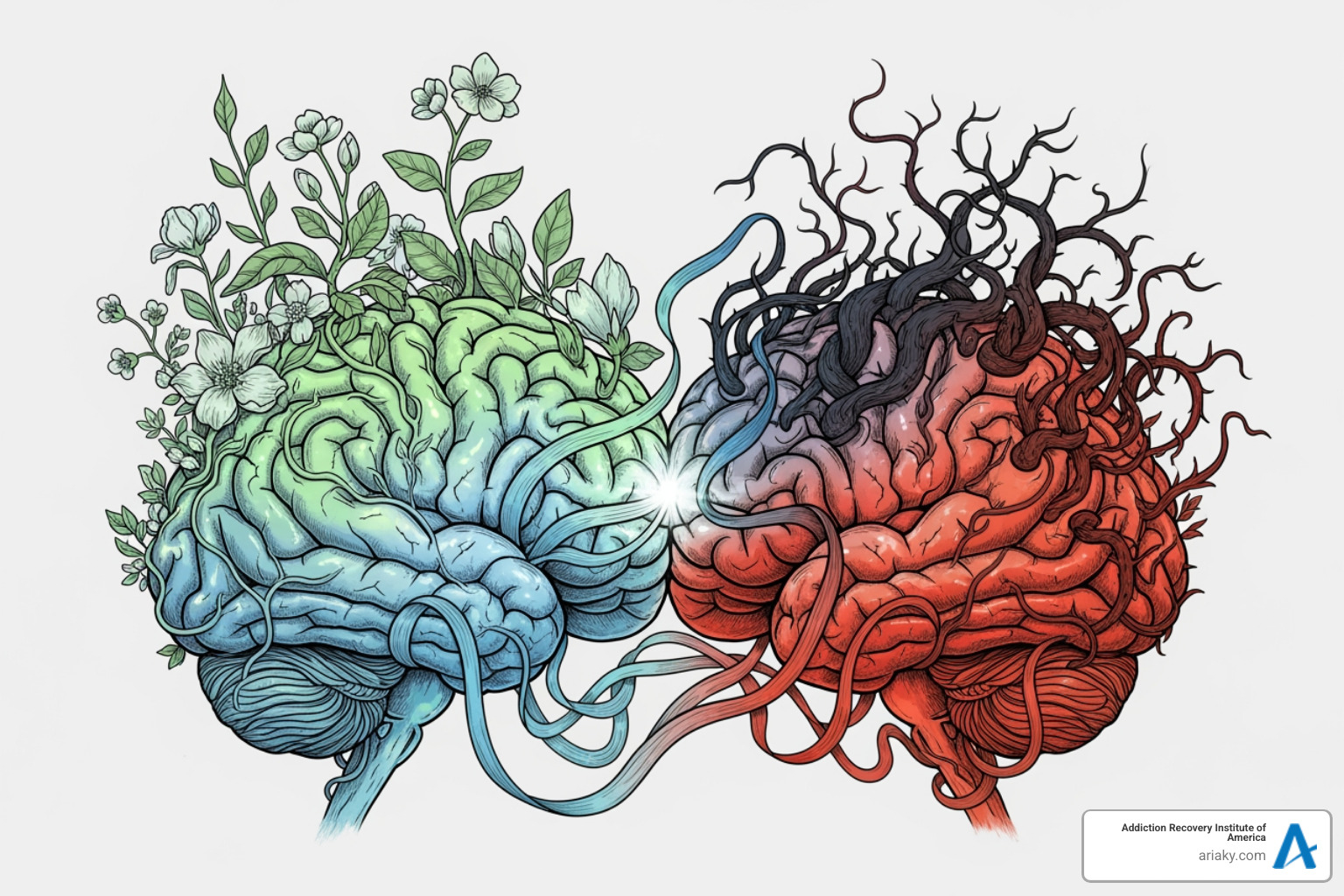
It’s common for individuals with substance use disorders to also experience mental health conditions like anxiety or depression. This is known as a “dual diagnosis.” Many people use substances to self-medicate for untreated mental health issues, which is why effective Lexington addiction treatment emphasizes an integrated approach, treating both conditions simultaneously.
Quality treatment programs are designed to serve adults diagnosed with co-occurring mental health and substance abuse disorders, including:
- Anxiety
- Depression
- Post-Traumatic Stress Disorder (PTSD)
- Bipolar Disorder
- Obsessive-Compulsive Disorder (OCD)
Why treating both is critical:
If only the addiction is treated, the underlying mental health issues can trigger a relapse. Conversely, if only the mental health issue is addressed, the addiction can hinder progress. Integrated treatment acknowledges that these conditions are intertwined and must be addressed holistically for lasting recovery.
Specialized Programs and Modern Therapeutic Approaches
Modern Lexington addiction treatment goes beyond a one-size-fits-all model. Recognizing that every individual’s journey is unique, many centers offer specialized programs and leverage innovative therapeutic approaches to meet specific needs. These custom care options ensure that treatment is as effective and personalized as possible.
The Role of Medication-Assisted Treatment (MAT) in Lexington Addiction Treatment
Medication-Assisted Treatment (MAT) is a cornerstone of modern Lexington addiction treatment, particularly for opioid and alcohol use disorders. MAT combines FDA-approved medications with behavioral therapies to provide a comprehensive approach. It’s not about swapping one drug for another; it’s about using medication to stabilize the brain, reduce cravings, and prevent relapse, allowing individuals to engage more fully in therapy.
Key aspects of MAT include:
- Reducing Cravings: Medications help normalize brain chemistry, making it easier to manage intense cravings.
- Managing Withdrawal: MAT can significantly alleviate the painful and often dangerous symptoms of withdrawal.
- FDA-Approved Medications:
- Buprenorphine: A partial opioid agonist that helps alleviate cravings and withdrawal symptoms without producing a high. It’s often prescribed in combination with naloxone (Suboxone).
- Naltrexone: An opioid antagonist that blocks the euphoric effects of opioids and reduces cravings for alcohol. It can be taken orally or as an extended-release injectable (Vivitrol).
MAT is always part of a comprehensive plan that includes counseling and behavioral therapies. This integrated approach has been shown to improve patient retention in treatment, decrease illicit opioid use, and reduce opioid-related overdose deaths.
Specialized Tracks for Diverse Populations
Understanding that certain groups face unique challenges, Lexington addiction treatment centers offer specialized programs. These tracks ensure that individuals receive care that is culturally competent, trauma-informed, and designed for their experiences.
Here is a list of specialized programs you might find:
- Veterans Programs: Veterans often grapple with addiction alongside PTSD and trauma related to their service. Dedicated veterans’ rehab tracks are available and often accept TRICARE, recognizing the unique needs of this population.
- Gender-Specific Groups: Some individuals find it more effective to engage in therapy with peers of the same gender. Men’s and women’s rehab programs allow for open discussion of gender-specific issues.
- Young Adult Programs: Adolescents and young adults face distinct developmental challenges that influence their substance use and recovery. Specialized programs address these unique needs.
These specialized tracks demonstrate a commitment to providing personalized, effective care for everyone seeking recovery in Lexington.
Navigating Your Path to Recovery
Taking the first step toward Lexington addiction treatment is a courageous decision. We understand that navigating the process can seem complex, so our goal is to make this journey as clear and supportive as possible, removing barriers to treatment.
The Admissions Process
The admissions process for Lexington addiction treatment is designed to be straightforward and supportive, ensuring you or your loved one gets help without unnecessary delays.
Here’s what you can generally expect:
- Initial Phone Call: The first step is a confidential phone call to an admissions line. This conversation allows you to ask questions, discuss your situation, and explore initial options.
- Confidential Assessment: An admissions team member will conduct a thorough, confidential assessment to understand your history with substance use, any co-occurring conditions, and your specific needs. This helps in building a personalized treatment plan. Many centers offer this assessment at no cost.
- Insurance Verification: The admissions team will verify your insurance benefits to determine your coverage for treatment. This service is typically free and ensures transparency about any potential out-of-pocket expenses.
- Creating a Personalized Plan: Based on the assessment, a customized treatment plan will be developed, outlining the recommended level of care and therapeutic approaches.
- Intake Day: Once a plan is in place, you’ll choose a start date. On intake day, you’ll be welcomed to the facility to begin your recovery journey.
The process is designed to be empathetic and efficient, guiding you every step of the way.
Cost, Insurance, and Financial Options
Concerns about the cost of Lexington addiction treatment should never be a barrier to seeking help. Many facilities work diligently to make treatment affordable and accessible.
Here’s what you need to know about cost and financial options:
- Insurance Acceptance: Most reputable treatment centers in Lexington accept a wide range of private and public insurance plans, including Medicare, Medicaid, and TRICARE. Many clients find their treatment is covered with little to no out-of-pocket cost.
- Free Insurance Verification: Before you commit, centers will offer free insurance verification. This service helps you understand your benefits and any potential costs without obligation.
- Private Pay and Payment Plans: For those without insurance or for services not fully covered, private pay options and flexible financing plans are often available to help manage expenses.
- No Surprise Billing: Reputable centers are committed to financial transparency. They will walk you through all costs upfront to ensure there are no surprise bills.
- Referral to Resources: If a specific insurance plan isn’t accepted, centers can often refer you to other affordable resources.
Don’t let financial worries deter you. The first step is to inquire and verify your benefits.
Family Support and Confidentiality
Addiction impacts entire families, which is why comprehensive Lexington addiction treatment programs include robust family support services. At the same time, ensuring patient privacy is a non-negotiable ethical and legal obligation.
Family Support Services:
A family-inclusive approach helps rebuild trust and restore relationships. These services often include:
- Educational Workshops: Learning about addiction as a disease and the recovery process.
- Family Therapy Sessions: Guided sessions to improve communication and establish healthy boundaries.
- Support Groups: Connecting families with others facing similar challenges.
- Communication Skills Training: Equipping families with tools to support their loved one’s recovery.
Involving families significantly improves outcomes, changing the family into a source of healing and stability.
Patient Privacy and Confidentiality:
All reputable treatment centers are legally bound to protect patient privacy under regulations like HIPAA. Your personal health information and treatment details are kept private.
- HIPAA Compliance: Centers implement strict protocols to safeguard patient data, ensuring information is only shared with authorized individuals with your explicit consent.
- Secure Environments: Measures are in place to maintain a secure and confidential environment for all clients.
This commitment to privacy allows you to focus on recovery with peace of mind.
Frequently Asked Questions about Addiction Treatment in Lexington
Here, we answer some common questions you might have as you consider Lexington addiction treatment.
How do I know which level of care is right for me?
Determining the right level of care depends on the severity of your substance use, any co-occurring mental health disorders, your living situation, and your support system. A comprehensive, confidential assessment by an addiction professional is the best way to determine this. These assessments, often available at no cost, evaluate your needs to recommend the most appropriate program, whether that’s detox, inpatient, PHP, IOP, or outpatient care.
How long does addiction treatment typically last?
The duration of treatment varies depending on individual needs. Detox typically lasts a few days to a week. Inpatient programs often range from 28 to 90 days. Outpatient programs like PHP and IOP can continue for several weeks or months, transitioning into ongoing aftercare. The goal is to provide enough time to build a solid foundation for recovery, recognizing that it is a lifelong journey.
What makes an addiction treatment program successful?
A successful program employs evidence-based approaches like CBT, DBT, and MAT. It offers a full continuum of care, allowing individuals to transition through different levels of support. It also provides individualized treatment plans that address co-occurring mental health disorders and trauma. Finally, strong aftercare planning and family involvement are crucial for long-term sobriety. Compassionate staff, effective therapies, and a supportive environment are key factors in success. A program that prioritizes these aspects offers the best chance for lasting recovery.
Conclusion
The journey to recovery is a testament to resilience, strength, and hope. As we’ve explored, Lexington addiction treatment offers a robust and compassionate path forward for individuals and families struggling with substance use disorders. From comprehensive detox services and various levels of outpatient care to specialized programs for veterans and pregnant women, the resources are here to support every step of your healing.
Addiction is a treatable disease, and recovery is not just possible—it’s a reality for thousands of individuals who have walked this path. We understand the courage it takes to reach out, and we want you to know that you don’t have to face this alone.
If you or a loved one is ready to take the first step towards a life of sobriety and well-being, we encourage you to seek the support you deserve. Your journey to healing and a fulfilling life can begin today.