

Understanding Benzo Detox: What You Need to Know Before Starting Withdrawal
Benzo detox is the medically supervised process of safely removing benzodiazepines from your body while managing withdrawal symptoms. Here’s what you need to know:
Quick Facts:
- Never quit “cold turkey”: Abruptly stopping can cause life-threatening seizures in 20-30% of cases.
- Medically supervised tapering is essential: Gradual dose reduction prevents dangerous complications.
- Withdrawal timeline varies: Symptoms can start within 6-48 hours, depending on the drug.
- Professional detox programs provide: 24/7 medical monitoring, symptom management, and psychological support.
- Detox is just the first step: Ongoing treatment is needed to address the root causes of addiction.
If you’ve taken benzodiazepines like Xanax, Valium, or Klonopin for more than a few weeks, your brain has likely developed physical dependence. This isn’t a moral failing but a predictable biological response.
When you stop, your body struggles to function without the drug, creating withdrawal symptoms that range from uncomfortable to life-threatening. A safe, medically supervised benzo detox helps you withdraw with minimal discomfort and maximum safety.
This guide covers everything you need to know about benzodiazepine withdrawal, from what happens in your brain to finding the right professional care. Many who successfully withdraw report feeling a veil has been lifted, with clearer minds and brighter emotions. Recovery is possible, and it starts with a safe detox.
Understanding Benzodiazepine Withdrawal: Symptoms and Timeline
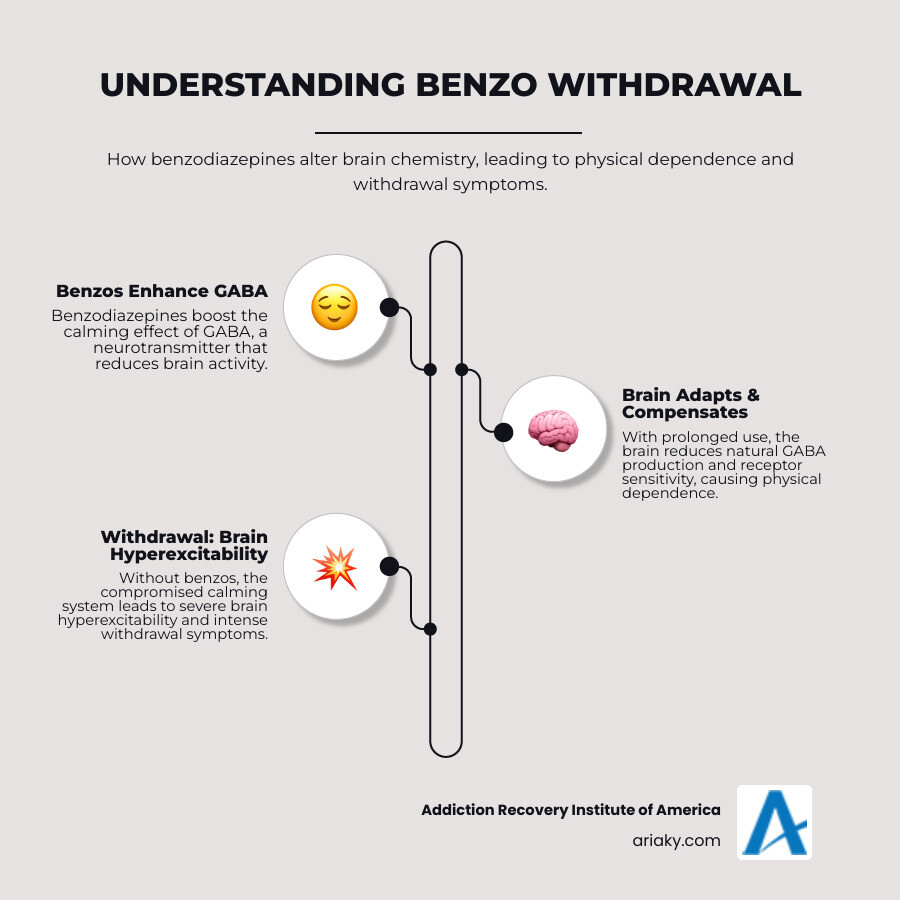
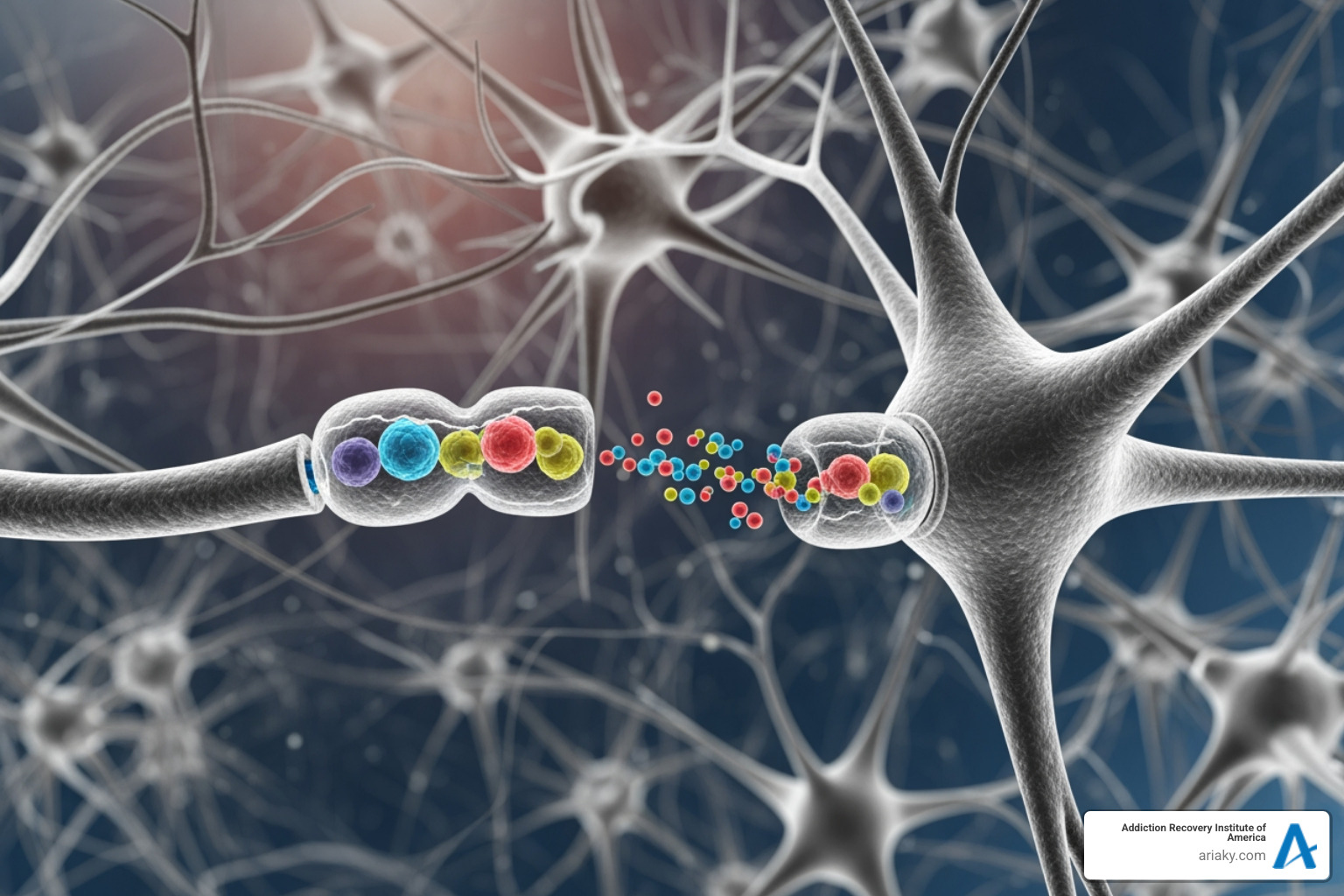
Your brain adapts to the regular presence of benzodiazepines, even when taken as prescribed. Benzos improve GABA, your brain’s natural calming neurotransmitter. Over time, your brain reduces its own GABA production and the number of GABA receptors, creating physical dependence and tolerance. You need more of the drug for the same effect, and your brain relies on it to maintain balance.
When you stop taking benzos, especially suddenly, your brain’s natural calming system is essentially offline, causing a state of hyperexcitability. This is why withdrawal happens and why it can be so uncomfortable and dangerous. According to authoritative sources on benzo withdrawal safety, understanding this rebalancing process is key to a safe withdrawal.
Common Withdrawal Symptoms: The “Benzo Flu”
Many people describe benzodiazepine withdrawal as the “benzo flu.” While not an official diagnosis, it captures the experience well. Symptoms vary, but common patterns exist.
Physical symptoms can be overwhelming and include persistent nausea, throbbing headaches, muscle pain, tremors, excessive sweating, and frightening heart palpitations. Some also experience vomiting or diarrhea. The body’s reaction to stopping central nervous system depressants can be extreme, similar to Delirium Tremens in alcohol withdrawal.
Psychological symptoms can be even more challenging. Many experience rebound anxiety that is worse than before, along with panic attacks, insomnia, and irritability. Depression can make it hard to see a path forward, and you might notice difficulty concentrating and sluggish thoughts.
In some cases, withdrawal can become severe and life-threatening. These reactions, known as benzodiazepine withdrawal syndrome, can include grand mal seizures (occurring in 20-30% of those who quit abruptly), hallucinations, psychosis, and suicidal thoughts. This is why professional medical supervision during benzo detox is essential for your safety.
The Phases and Timeline of Withdrawal
Your withdrawal experience will depend on the specific benzo, dosage, duration of use, and your individual biology. However, it generally unfolds in three phases.
1. Early Withdrawal (Rebound): This starts shortly after the last dose (hours for short-acting, days for long-acting benzos). Original symptoms like anxiety and insomnia often return with greater intensity.
2. Acute Withdrawal (Peak Symptoms): This is the toughest phase. For short-acting benzos (Xanax, Ativan), symptoms peak within 24-72 hours. For long-acting benzos (Valium, Klonopin), symptoms peak around days 5-8 and can last for weeks. The timeline will depend on the half-life of the drug. Our Benzo Withdrawal Help team can support you through this difficult period.
3. Post-Acute Withdrawal Syndrome (PAWS): For some, symptoms like anxiety, depression, and sleep issues linger for months or even years. These symptoms can come and go, which is frustrating. About 10 percent of people who have taken benzos still feel withdrawal symptoms years after stopping. Understanding PAWS helps you prepare for long-term recovery.
Here’s how the timelines generally compare:
| Feature | Short-Acting Benzodiazepines (Xanax, Ativan) | Long-Acting Benzodiazepines (Valium, Klonopin) |
|---|---|---|
| Onset | 6-12 hours after last dose | 24-48 hours (or longer) after last dose |
| Peak Symptoms | 24-72 hours | Day 5-8 |
| Acute Duration | Several days to 1-2 weeks | 2-4 weeks |
| PAWS Potential | High | High |
Withdrawal is complex and potentially dangerous without support. With the right benzo detox program, you can steer this process safely.
The Dangers of Quitting Benzos and Why Professional Detox is Crucial
Attempting to quit benzodiazepines on your own is extremely risky. Benzo detox without medical supervision isn’t just uncomfortable—it can be deadly. When you suddenly remove benzos, your nervous system goes into overdrive with severe and unpredictable consequences. Professional medical oversight is essential for your safety.

The Risks of “Cold Turkey” and At-Home Detox
Stopping benzodiazepines abruptly skyrockets your risk of a grand mal seizure. Research shows that grand mal seizures may occur in as many as 20-30 percent of individuals who try to quit without proper medical care. These seizures involve loss of consciousness and violent muscle contractions, and can result in serious injury or death.
Other dangers of unsupervised withdrawal include psychotic reactions, extreme anxiety, hallucinations, and suicidal thoughts. The physical and psychological torment often becomes unbearable, leading most people to relapse just to make the symptoms stop. This creates a devastating cycle of feeling trapped. Benzodiazepines are among the Most Addictive Substances precisely because withdrawal is so difficult and dangerous.
How a Medically Supervised Benzo Detox Program Ensures Safety
Our benzo detox programs are designed with your safety and comfort as the top priorities. In our Medical Detox facility, you are never alone. Our team provides 24/7 medical monitoring to track vital signs and watch for complications, allowing for immediate intervention if needed. This is especially crucial during the first week when risks are highest.
We also focus on symptom management, using carefully selected, non-addictive medications to prevent seizures, reduce anxiety, and ease physical discomfort. This makes the process as tolerable as possible. Finally, we provide constant psychological support to help you manage the fear, anxiety, and frustration that accompany withdrawal. This comprehensive approach is central to our Drug Detox Kentucky and Detox Centers Louisville KY programs.
Inpatient vs. Outpatient Detox: What’s Right for You?
Our team will help you determine the right level of care for a safe, successful detox. A consultation will consider your usage history, other substance use, co-occurring health conditions, past withdrawal experiences, and social support system.
Inpatient detox is typically recommended for:
- High-dose or long-term benzodiazepine use
- Polydrug dependence (e.g., with alcohol or opioids)
- Co-occurring physical or mental health issues
- A history of seizures or severe withdrawal
- An unstable or unsupportive home environment
For a deeper look at treatment levels, see our guide on Inpatient vs Outpatient treatment.
Outpatient detox may be an option if you have:
- Been taking lower doses for a shorter period
- A strong, reliable support system at home
- Stable physical and mental health
- The ability to commit to regular medical check-ups
For those needing more structure than outpatient, our Residential Treatment Kentucky Ultimate Guide explains another supportive option. The bottom line is that benzo detox is not a DIY project. With proper medical care, you can withdraw safely and begin building the life you want.
Proven Methods for Managing Benzodiazepine Detox
At our center, benzo detox is not a one-size-fits-all process. We create individualized treatment plans based on proven, evidence-based protocols. Your safety and comfort are the foundation of everything we do.

The Gold Standard: Tapering in a Professional Benzo Detox
The medical community agrees: tapering is the safest way to withdraw from benzodiazepines. Tapering means gradually reducing your dose over time, giving your brain the chance to recalibrate. This dramatically reduces withdrawal symptom severity and helps prevent life-threatening complications like seizures, as emphasized by resources like the Ashton Manual.
An effective strategy involves switching to a long-acting benzodiazepine like diazepam (Valium). These medications provide more stable drug levels, creating a smoother withdrawal. Once you are stable, we begin a slow, gradual dose reduction. This approach is a cornerstone of our Prescription Drug Detox Program.
Safe tapering is built on an individualized, patient-centered schedule. Your plan depends on the benzo used, dose, duration, and your body’s response. We adjust the plan based on your feedback—this isn’t a race.
Medications Used to Ease Withdrawal Symptoms
During benzo detox, we use several medications to manage symptoms and ensure safety. These are carefully selected tools, not a replacement for one addiction with another.
- Tapering Medications: Long-acting benzodiazepines like diazepam or clonazepam are the primary tools for a controlled, gradual reduction.
- Symptom-Specific Medications: We may use non-addictive anti-anxiety drugs like Buspirone to manage rebound anxiety. Anticonvulsants like gabapentin can help prevent seizures. For severe insomnia, we may consider non-addictive sleep aids under strict supervision. We follow established protocols, such as those in the Management of benzodiazepine misuse and dependence guidelines, to ensure medication safety.
Factors That Influence Withdrawal Severity
Several factors influence the intensity and duration of your withdrawal symptoms.
- Dosage and Duration: Higher doses and longer use typically lead to a more challenging withdrawal. The FDA has reported that patients on higher doses (e.g., 4 mg/day of Xanax) for over three months are more likely to develop dependence and experience more severe withdrawal.
- Type of Benzodiazepine: Short-acting benzos (Xanax) often produce a more intense but shorter acute withdrawal, while long-acting benzos (Valium) may lead to a longer but less severe peak.
- Co-occurring Substance Use: Using benzos with other substances, especially alcohol or opioids, complicates withdrawal and increases risks. This requires integrated care, as detailed in our Alcohol WD and Opiate Detox Program guides.
- Individual Factors: Your physical and mental health, age, and method of use (oral vs. snorting/injecting) also play a significant role.
Understanding these factors helps us create the most effective, personalized detox plan for you.
Life After Detox: Building a Foundation for Lasting Recovery
Finishing benzo detox is a huge accomplishment, but it’s the first step, not the finish line. Detox clears the drug from your system, but it doesn’t erase the reasons you started using or teach you new ways to handle stress and anxiety. Think of detox as the surgery that fixes a broken bone; the therapy that follows is what teaches you to walk again. Our Addiction Recovery Journey Ultimate Guide explains what this longer journey looks like.
Why Detox Is Just the Beginning
Physical dependence is only part of the story; there’s also psychological dependence. Your brain has been conditioned to reach for benzos when life gets hard. After detox, those triggers and instincts remain. Continued treatment is crucial for developing new coping skills, recognizing triggers, and building a support network to prevent relapse.
These Addiction Recovery Challenges are normal, and you don’t have to face them alone. Our approach emphasizes a Continuum of Care, providing a seamless transition from detox into long-term recovery support.
Comprehensive Benzo Addiction Treatment
Our treatment programs address the emotional, psychological, and behavioral components of benzodiazepine addiction.
Therapy is at the heart of recovery. We use effective approaches like Cognitive Behavioral Therapy (CBT) and Dialectical Behavior Therapy (DBT). CBT helps you change the thought patterns that lead to drug use, while DBT teaches practical skills in mindfulness, distress tolerance, and emotional regulation. Learn more in our Addiction Treatment Kentucky Therapy Programs guide.
Many people also struggle with underlying mental health conditions like anxiety, depression, or trauma. Our dual-diagnosis treatment addresses both substance use and mental health simultaneously, which is critical for lasting recovery. Our Substance Abuse Treatment Complete Guide explains how this integrated approach leads to better outcomes.
We offer multiple levels of care to fit your needs:
- Residential treatment: An immersive, structured environment focused on recovery.
- Partial Hospitalization Programs (PHP): Intensive daytime treatment while you live at home.
- Intensive Outpatient Programs (IOP): Structured therapy that accommodates work or school schedules.
- Aftercare planning: Ongoing support and resources for independent living.
You can move between these levels as your needs change. Our Drug Rehab Kentucky Guide breaks down each option. Recovery is possible, and we can help you build a foundation for a life you don’t need to escape from.
Frequently Asked Questions about Benzo Detox
We know you have questions about benzo detox. Here are straightforward answers to the ones we hear most often.
How long does benzo withdrawal last?
There’s no single answer, as the duration varies significantly. The acute phase, when symptoms are most intense, typically lasts from several days to several weeks. This depends on the specific benzo, dose, and duration of use.
Some people also experience Post-Acute Withdrawal Syndrome (PAWS), where less intense symptoms like anxiety and sleep issues can linger for months or, in some cases, even years. This protracted phase can be frustrating, but it is manageable with proper medical support and ongoing treatment as your brain heals.
Can you die from benzo withdrawal?
Yes, it is possible, though rare. Death from benzodiazepine withdrawal is a real risk, which is why professional medical supervision is critical. The most dangerous complications are grand mal seizures, severe cardiovascular stress, and psychological distress leading to suicidal ideation. These risks are most likely when quitting “cold turkey” at home.
In a professional benzo detox program, these risks are largely preventable. Continuous monitoring and medical intervention dramatically reduce the danger, making detox a safe process.
What helps with benzo withdrawal anxiety?
Rebound anxiety during withdrawal can feel overwhelming, but it is manageable. The most important intervention is a medically supervised taper, which allows your brain to adjust gradually and prevents the sudden surge of anxiety.
During detox, we may use non-addictive medications like Buspirone to help manage anxiety without creating a new dependence. Therapeutic support like Cognitive Behavioral Therapy (CBT) is also crucial, teaching you practical skills to manage anxious thoughts and feelings. Many also find relief through holistic approaches like deep breathing, meditation, and gentle exercise, as recommended by resources like the Ashton Manual’s guide to relaxation techniques. The anxiety is temporary, and with the right tools, you can get through it.
Conclusion: Take the First Step Towards a Benzo-Free Life
The journey through benzo detox is challenging, but you don’t have to face it alone. With the right support, recovery is absolutely within reach.
Stopping benzodiazepines abruptly is life-threatening, but a medically supervised detox transforms this dangerous process into a safe, manageable experience. We’ve explained the withdrawal timeline, proven tapering methods, and why professional monitoring is essential. Most importantly, detox is just the beginning—it’s the gateway to addressing the root causes of dependence and building a new life.
At Addiction Recovery Institute of America, we’ve watched countless people emerge from treatment with clearer minds and genuine hope. Our Kentucky facility offers individualized benzo detox programs that combine evidence-based medical protocols with compassionate, comprehensive care. Our accredited, AODE-certified team helps you build a foundation for lasting sobriety.
Recovery isn’t about willpower; it’s about getting the right medical care at the right time. If you or a loved one is struggling, know that there is a path forward. Begin your recovery journey at our Kentucky benzo detox program today. Our team is ready to help you take the first step toward a benzo-free life.