

Why Finding Quality Detox and Rehab Near You Matters
Searching for detox and rehab near me is the first brave step toward reclaiming your life from addiction. If you’re looking for treatment facilities in your area, here’s what you need to know:
Quick Answer: Finding Detox and Rehab Near You
- Start with national resources – Call SAMHSA’s National Helpline at 1-800-662-HELP (4357) or visit FindTreatment.gov for a confidential, 24/7 directory.
- Verify insurance coverage – Contact your insurance provider to find in-network facilities and understand your benefits.
- Check credentials – Look for state licensing and accreditations like JCAHO (Joint Commission) or CARF.
- Consider your needs – Determine if you need medical detox, residential, or outpatient rehab.
- Call facilities directly – Ask about their treatment approach, staff qualifications, and admission process.
Millions of Americans struggle with substance use disorders, many with co-occurring mental health conditions. The journey to recovery begins with safe, medically supervised detoxification, followed by comprehensive rehabilitation that addresses the root causes of addiction. Detox stabilizes your body and manages withdrawal, while rehab teaches you the skills for lasting sobriety.
Recovery is possible. Treatment centers offer evidence-based therapies, medication-assisted treatment, and personalized care plans, and many accept insurance, making treatment more accessible than ever.
This guide covers everything from recognizing the need for help to understanding levels of care, payment options, and aftercare planning.
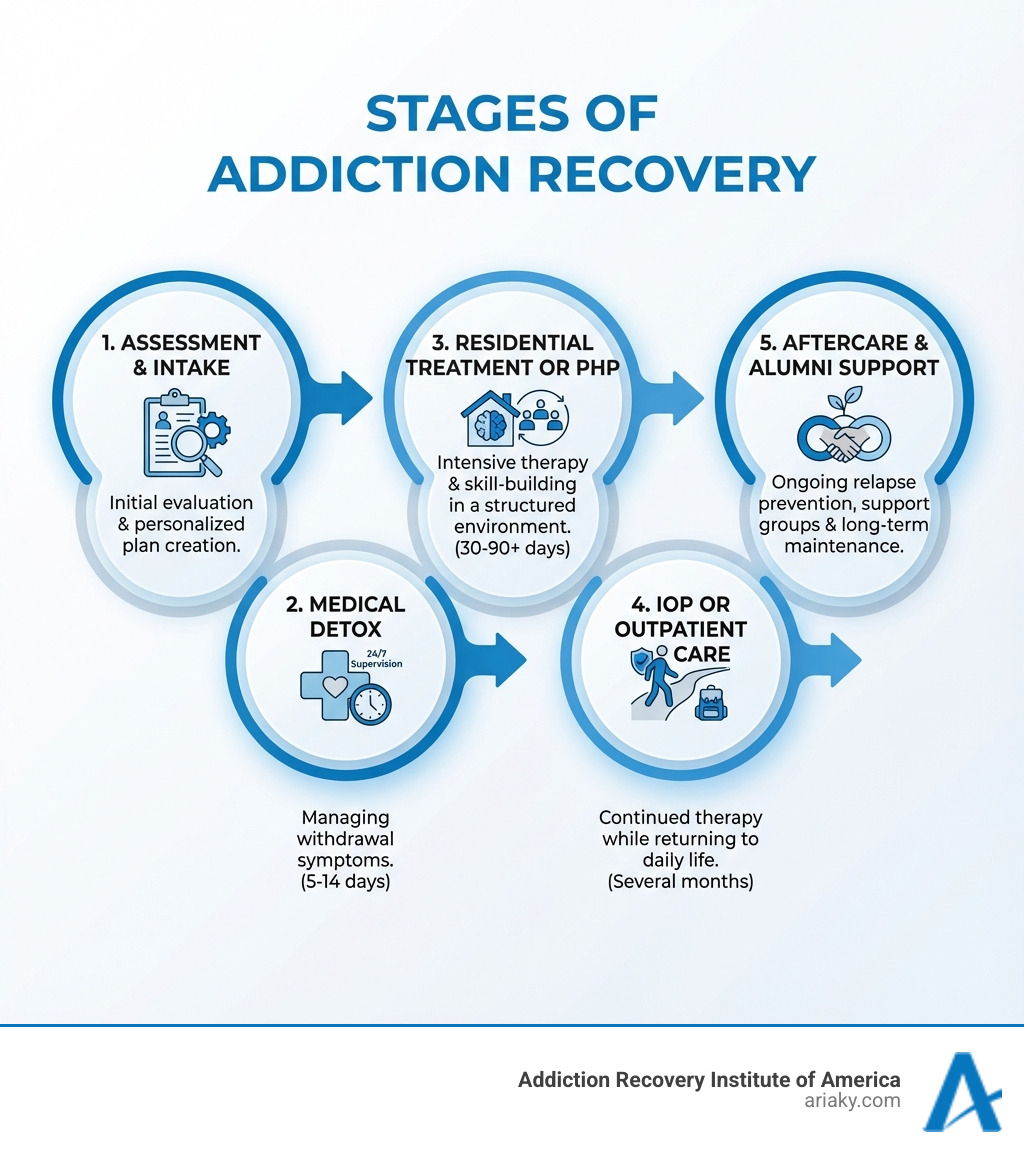
Detox and rehab near me terms made easy:
Understanding the Basics: Detox vs. Rehab
This section explains the foundational concepts of addiction treatment, what to look for, and why professional help is crucial for a safe and effective recovery.
What’s the Difference Between Detox and Rehab?
When searching for detox and rehab near me, it’s important to know that detoxification and rehabilitation are distinct but connected phases of treatment.
Detoxification (Detox) is the first step, focused on medical stabilization. It involves safely removing drugs or alcohol from the body while managing withdrawal symptoms under medical supervision. This process uses around-the-clock support and sometimes medication to ensure physical stability, preparing you for the therapeutic work ahead. Learn more at our Medical Detox page.
Rehabilitation (Rehab) is the therapeutic process that addresses the psychological and behavioral aspects of addiction. After detox, rehab helps you understand the root causes of substance use, develop healthy coping skills, and build a foundation for long-term sobriety through various therapies and support systems.
Here’s a quick comparison:
| Feature | Detoxification | Rehabilitation |
|---|---|---|
| Primary Goal | Medical stabilization, safe withdrawal | Addressing root causes, building coping skills, sustained sobriety |
| Duration | Typically 5-14 days | Varies, often 30, 60, 90+ days or longer |
| Services | Medical supervision, medication management, comfort care | Individual therapy, group therapy, family therapy, skill-building, education |
| Staffing | Medical doctors, nurses, psychiatric staff | Therapists, counselors, social workers, peer support specialists |
Signs You or a Loved One Needs Professional Help
Recognizing the need for help is a pivotal moment, as overcoming addiction alone can be dangerous. Here are some signs that professional detox or rehab services may be necessary:
- Physical Signs: Unexplained weight changes, poor hygiene, dilated or constricted pupils, frequent illness, or tremors.
- Behavioral Changes: Increased secrecy, sudden changes in friends, neglecting responsibilities, legal troubles, or risky behaviors.
- Neglecting Responsibilities: Failing to meet commitments at work, school, or home.
- Relationship Problems: Frequent arguments with family and friends, isolation, or a breakdown in trust.
- Failed Attempts to Quit: Repeatedly trying to stop using but being unable to do so.
- Increased Tolerance: Needing more of a substance to achieve the same effect.
- Withdrawal Symptoms: Experiencing physical or psychological discomfort (e.g., nausea, anxiety, sweating) when not using the substance.
If you recognize these signs, it’s a strong indicator that professional intervention is needed.
Common Substances Treated in Detox and Rehab
Our programs address a wide range of substance dependencies. Some of the most commonly treated substances include:
- Alcohol: Dependence can cause severe withdrawal, making medical detox crucial. We offer dedicated Alcohol Drug Detox programs.
- Opioids: This includes heroin and prescription pain relievers. Our programs include a Heroin Detox Guide and support for fentanyl addiction, detailed in our Fentanyl Detox Near Me Guide.
- Benzodiazepines (Benzos): Drugs like Xanax and Valium can cause life-threatening withdrawal if stopped abruptly.
- Stimulants: Cocaine and methamphetamine addiction are treated with behavioral therapies and support during detox.
- Prescription Drugs: Abuse of other prescription medications can also lead to dependence requiring specialized treatment.
Our individualized approach ensures each client receives the targeted support needed for a successful recovery.
The Overwhelming Benefits of Seeking Professional Help
Choosing professional help is a courageous decision with significant advantages.
- Safe, Structured Environment: Our facilities provide a secure space free from triggers, allowing you to focus entirely on recovery.
- 24/7 Medical Supervision: During detox, continuous medical oversight ensures withdrawal is managed safely and comfortably.
- Peer Support Community: Engaging with others on the same journey in group therapy fosters a sense of community and shared understanding.
- Reduced Risk of Relapse: Professional programs equip you with evidence-based strategies and coping skills to prevent relapse and increase the likelihood of long-term sobriety.
- Access to Various Therapies: We offer a comprehensive array of treatments, from individual counseling to specialized therapies like CBT, custom to your needs.
The journey to recovery is a marathon, not a sprint. Explore the full scope on our Addiction Recovery Journey Ultimate Guide.
Navigating Your Treatment Options: Levels of Care and Therapies
Addiction treatment is not one-size-fits-all. Understanding the different levels of care and therapeutic approaches helps you find the right fit for your unique journey.
Different Levels of Care in Addiction Treatment
Finding the right detox and rehab near me means understanding the continuum of care designed to match treatment intensity to your needs.

Here are the primary levels of care:
- Medical Detox: The initial phase focused on safely managing withdrawal with 24/7 medical supervision.
- Residential Treatment (Inpatient Rehab): A structured, live-in environment offering intensive therapy away from external triggers.
- Partial Hospitalization Program (PHP): A high level of structured care, similar to inpatient, but allowing clients to return home or to a sober living environment in the evenings. Learn more about What Is PHP Treatment?
- Intensive Outpatient Program (IOP): A flexible option with several hours of therapy per week for those who need to maintain work, school, or family commitments. See why we have the Best Intensive Outpatient Program Kentucky.
- Outpatient Programs: The least intensive level, offering ongoing support on a less frequent schedule, ideal for transitioning from more intensive programs.
Our team can help you determine the most appropriate path. You can also explore the differences on our Inpatient vs Outpatient page.
What to Expect: Therapies and Treatment Modalities
Effective treatment involves a deep dive into the thoughts, feelings, and behaviors driving addiction. We use a variety of evidence-based and holistic therapies custom to your goals:
- Individual Therapy: One-on-one sessions to explore personal issues and develop coping strategies.
- Group Therapy: Fosters a sense of community and peer support by engaging with others who share similar struggles.
- Family Therapy: Helps improve communication, rebuild trust, and educate loved ones on supporting recovery.
- Cognitive Behavioral Therapy (CBT): Helps identify and change negative thought patterns and behaviors linked to substance use.
- Dialectical Behavior Therapy (DBT): Teaches skills in mindfulness, emotional regulation, distress tolerance, and interpersonal effectiveness.
- Trauma-Informed Care: Addresses past trauma in a sensitive and healing way, as it often co-occurs with addiction.
- Holistic Therapies: We integrate treatments like mindfulness and meditation to promote overall well-being and stress reduction.
Learn more about our therapeutic offerings on our Addiction Therapy Kentucky page.
The Role of Medication-Assisted Treatment (MAT)
Medication-Assisted Treatment (MAT) is an evidence-based approach combining FDA-approved medications with counseling to treat substance use disorders, particularly for opioids and alcohol.
MAT helps by:
- Managing Cravings: Medications can significantly reduce the urge to use.
- Easing Withdrawal Symptoms: MAT makes the detox process safer and more comfortable.
- Stabilizing Brain Chemistry: It helps normalize brain function altered by long-term substance use.
Common medications include Buprenorphine, Naltrexone, and Methadone. MAT is not replacing one drug with another; it’s a holistic approach supervised by our health team, integrating medication with comprehensive counseling. We offer Medication Assisted Treatment as part of our care. You can also find Buprenorphine Practitioners through SAMHSA.
Understanding Dual Diagnosis and Its Importance
It’s common for addiction to co-occur with mental health conditions like depression, anxiety, or PTSD. This is known as a dual diagnosis. About half of people with a substance use disorder also have a serious mental illness, creating a cycle that requires specialized care.
The importance of dual diagnosis treatment lies in its integrated approach. Treating both the addiction and the mental health condition simultaneously is crucial for lasting recovery. Our programs are designed to address both issues, helping clients develop effective coping strategies for all their challenges. This is especially important for those with trauma, which you can learn more about on our Womens Trauma Treatment page.
How to Find and Choose a Detox and Rehab Near Me
Finding the right treatment center is a critical step. This section provides actionable advice on how to locate, vet, and pay for a quality program.
How can I find a reputable detox and rehab near me?
Searching for detox and rehab near me can feel overwhelming, but reputable resources are available to guide you.

Here’s how to find a reputable facility:
- National Helplines: Start with the Substance Abuse and Mental Health Services Administration (SAMHSA). Their National Helpline (1-800-662-HELP (4357)) offers free, confidential support and treatment referrals 24/7.
- Online Directories: Visit FindTreatment.gov, SAMHSA’s confidential resource for locating treatment facilities.
- Insurance Provider Directories: Your insurance company can provide a list of in-network providers in your area.
- Physician Referrals: Your primary care physician can offer referrals to trusted addiction treatment centers.
When contacting facilities, be prepared to ask questions to find the program that best suits your needs.
What to Look for When Choosing a Facility
Once you have a list of potential facilities, it’s essential to vet them thoroughly. Here’s what to look for:
- Accreditation and Licensing: Ensure the facility is licensed by the state and accredited by bodies like the Joint Commission (JCAHO) or CARF. These indicate high standards of care. We are an accredited, AODE-certified rehab center in Kentucky.
- Staff Credentials and Experience: Look for a team of certified professionals, including doctors, nurses, and therapists.
- Individualized Treatment Plans: A reputable facility will create a personalized treatment plan based on your unique needs.
- Evidence-Based Practices: The center should use therapies supported by scientific research, such as CBT, DBT, and MAT.
- Aftercare Planning: A good program includes robust aftercare planning to support long-term sobriety.
Key questions to ask an admissions counselor:
- What are your accreditations and licenses?
- What is the staff-to-patient ratio?
- How do you individualize treatment plans?
- What evidence-based therapies do you offer?
- What is your approach to aftercare and relapse prevention?
- Do you treat co-occurring mental health disorders?
How to Pay for Detox and Rehab Services
Cost should not be a barrier to seeking help for detox and rehab near me. There are several ways to pay for services:
- Insurance Verification: Many facilities, including ours, work with a wide range of insurance providers. Our team can help with insurance verification to explain your benefits. We work with providers like Aetna Insurance and Blue Cross Blue Shield.
- In-Network vs. Out-of-Network: In-network providers typically have lower out-of-pocket costs, but out-of-network benefits can still cover a significant portion of treatment.
- Private Pay Options: Paying directly for services is an option for those without insurance or who prefer not to use it.
- Financing and Payment Plans: Some facilities offer financing or payment plans to make treatment more affordable.
Speak with a facility’s admissions team to discuss your financial options. Find more information on Paying for Treatment on our site.
The Journey Continues: Life After Rehab
Completing a program is a major achievement, but recovery is a lifelong process. Learn about aftercare, supporting loved ones, and understanding what “success” really means.
What Happens After Completing a Program?
Completing a rehab program is a milestone, but the journey continues. The next phase, aftercare, is crucial for preventing relapse and maintaining sobriety.
Key components of aftercare include:
- Aftercare Planning: Before leaving, you’ll work with counselors to develop a personalized plan with strategies and resources for ongoing support.
- Relapse Prevention Strategies: You’ll learn to identify triggers and develop healthy coping mechanisms.
- Sober Living Environments: These homes provide a supportive, substance-free environment that bridges the gap between inpatient treatment and independent living.
- Alumni Programs: Many centers offer alumni programs, providing a network of support and connection to the treatment community.
- Support Groups: Participation in groups like AA, NA, or SMART Recovery provides ongoing peer support and accountability.
- Ongoing Therapy: Continuing therapy sessions helps reinforce learned skills and address new challenges.
A strong aftercare plan is your roadmap for navigating life without returning to substance use. Explore this concept on our Continuum of Care page.
How to Support a Loved One Through Recovery
Supporting a loved one requires patience, understanding, and self-care.
Here’s how you can provide effective support:
- Educate Yourself on Addiction: Understand that addiction is a chronic disease to approach your loved one with empathy.
- Participate in Family Therapy: This provides a safe space for communication and healing.
- Set Healthy Boundaries: This is crucial for your well-being and prevents enabling behaviors.
- Offer Encouragement, Not Judgment: Celebrate their progress and avoid criticism.
- Celebrate Milestones: Acknowledge sobriety anniversaries and other achievements to reinforce positive behavior.
- Seek Your Own Support: Consider groups like Al-Anon or Nar-Anon, or individual counseling.
- Know When to Seek Crisis Support: For immediate, confidential help, call or text the 988 Suicide & Crisis Lifeline 24/7.
Your support is powerful, but you cannot control someone’s recovery.
Understanding Success Rates in Addiction Treatment
When researching detox and rehab near me, it’s natural to wonder about success rates. However, addiction is a chronic disease, and “success” is complex.
Key points to understand:
- Addiction as a Chronic Disease: Like diabetes or asthma, addiction can be managed but often requires ongoing care.
- Relapse as Part of the Process: Relapse can be part of recovery and doesn’t mean treatment failed. It’s an opportunity to adjust the treatment plan.
- Measuring Success Beyond Abstinence: Success also includes improved quality of life, better health, stable housing, and stronger relationships.
- Long-Term Recovery is the Goal: Our goal is to equip individuals with the tools for lasting sobriety and a fulfilling life.
- Individualized Outcomes: Each person’s journey is unique. We focus on empowering each client to build a sustainable, healthy lifestyle.
Professional treatment significantly improves outcomes compared to attempting recovery alone.
Frequently Asked Questions about Detox and Rehab
How long does detox and rehab usually take?
The duration varies based on individual needs, substance type, and addiction severity.
- Detox: Medical detox typically lasts 5 to 14 days to manage withdrawal and stabilize the body. The Alcohol Withdrawal Timeline shows why this requires careful management.
- Rehab: Program lengths differ.
- Residential (Inpatient) programs often range from 30 to 90 days or more. Longer stays are recommended for more severe addictions.
- PHP and IOP can last several weeks to months, depending on progress.
- Outpatient programs can continue for many months, offering ongoing support.
The length of stay is determined by an individualized assessment to ensure the most effective path to recovery.
Should I travel for treatment or find a detox and rehab near me?
This is a personal decision with pros and cons for each approach.
Benefits of staying near home:
- Family Support: Allows loved ones to participate in family therapy and your recovery journey.
- Insurance Coverage: Your insurance may be more likely to cover local treatment, like the options we offer in Kentucky.
- Local Resources: You can build connections with local support groups for long-term aftercare.
Benefits of traveling for treatment:
- Fewer Triggers: Removing yourself from your daily environment helps you separate from addiction triggers.
- Privacy and Fresh Start: A new location offers anonymity and a psychological fresh start, allowing you to focus solely on healing.
- Specialized Programs: Traveling may provide access to specialized programs not available locally.
The best choice depends on your personal situation. Our Aria Detox Locations offer convenience across Kentucky.
Can I lose my job for going to rehab?
Federal laws provide job protections for individuals seeking addiction treatment.
- Family and Medical Leave Act (FMLA): If you are an eligible employee, FMLA allows up to 12 weeks of unpaid, job-protected leave for medical reasons, including addiction treatment. Your employer generally cannot fire you for taking this leave.
- Americans with Disabilities Act (ADA): The ADA protects individuals with a history of addiction who are in recovery, preventing employers from discriminating against you.
- Confidentiality: Your participation in treatment is protected health information under HIPAA.
It is often wise to speak with your Human Resources department to understand your company’s policies and your rights under FMLA and ADA.
Conclusion: Take the First Step Towards a Brighter Future
You’ve learned the difference between detox and rehab, how to find quality care, and what life after treatment looks like. Recovery is not a straight line, but it is always possible. Acknowledging the need for help is the first and most powerful step. If you are ready to reclaim your life, resources like the Addiction Recovery Institute of America are here to guide you. Begin your recovery journey at a Lexington rehab facility today.