

Understanding Your Journey to Recovery
Drug and alcohol treatment is a comprehensive process that helps individuals overcome substance use disorders. It combines medical detox, evidence-based therapies, and ongoing support, following a continuum of care from intensive programs to aftercare that maintains long-term sobriety.
Key components include:
- Medical Detox: Safely managing withdrawal under medical supervision.
- Residential & Outpatient Programs: Ranging from 24/7 live-in care to flexible programs that allow you to live at home.
- Evidence-Based Therapy: Using proven methods like CBT and DBT to address root causes.
- Medication-Assisted Treatment (MAT): Using FDA-approved medications to reduce cravings.
- Aftercare Support: Providing ongoing resources like peer groups and alumni programs.
Substance abuse has a staggering impact, contributing to 47,000 deaths annually in Canada. But the most important truth is that recovery is possible.
If you or a loved one is struggling, the path forward can seem overwhelming. The good news is that modern addiction treatment has evolved to treat the whole person—addressing underlying trauma, mental health conditions, and the unique circumstances behind substance use.
This guide explains the levels of care, therapies, and support available to help you find the right path. Recovery is not a one-size-fits-all process; your journey is unique, which is why individualized care is so critical. You don’t have to face this alone.
Understanding the Need for Treatment: The Risks of Substance Use
Substance use takes a serious toll on your body and mind. While it’s easy to minimize the damage, addiction affects every aspect of your health, relationships, and future. Understanding these risks is about seeing why seeking drug and alcohol treatment is a critical decision.
In Canada, substance abuse contributes to 47,000 deaths each year. Chronic alcohol use damages the liver, heart, and pancreas, and alters brain chemistry, worsening depression and anxiety. Beyond the long-term damage, immediate dangers like alcohol poisoning and impaired judgment can be fatal.
However, stopping substance use on your own can be just as dangerous as continuing.
The Dangers of Withdrawal
If you’ve been using alcohol or benzodiazepines heavily, your brain has adapted. Suddenly stopping can send your nervous system into overdrive, a process that can be deadly without medical help.
Alcohol withdrawal symptoms can escalate quickly from anxiety and nausea to life-threatening conditions. Delirium Tremens (DTs), the most severe form, can cause intense confusion, hallucinations, and dangerously high heart rate and blood pressure. Seizures are another serious risk, often occurring without warning. Our Alcohol Withdrawal Timeline explains these stages in detail.
Benzodiazepine withdrawal (from drugs like Xanax or Valium) carries similar risks, including seizures and psychosis, and requires a medically supervised taper.
Opioid withdrawal, while typically not life-threatening, is uncomfortable with severe flu-like symptoms and overwhelming cravings. This misery often leads to relapse, which is especially dangerous due to decreased tolerance.
Attempting to detox from alcohol or benzodiazepines on your own is extremely dangerous. Professional, medically-supervised drug and alcohol treatment is essential for safety, as explained in our guide on What Happens After Quitting Alcohol.
How Different Substances Affect the Body
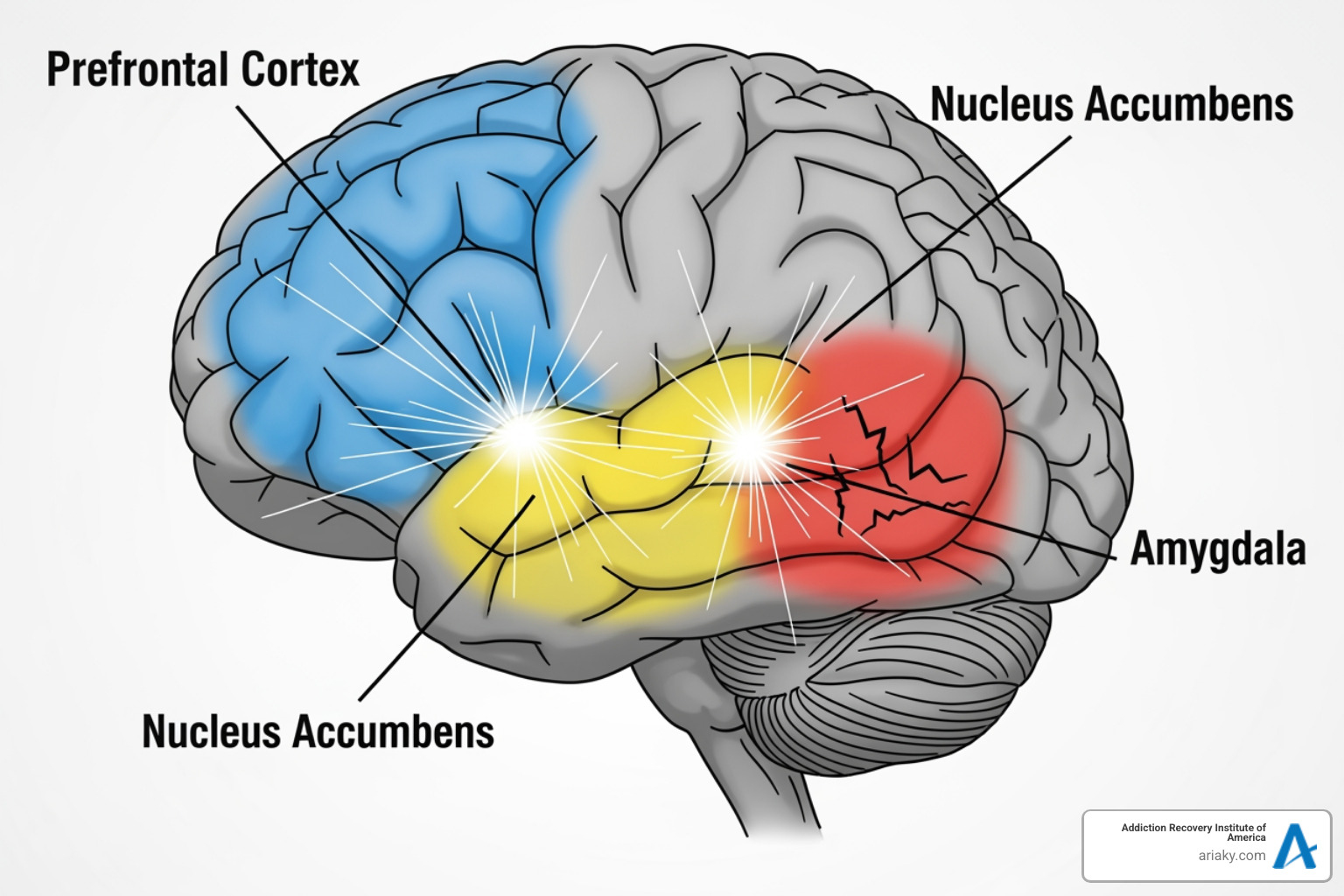
Different substances require different treatment approaches because they hijack your brain chemistry in unique ways. This is why personalized drug and alcohol treatment is so important.
- Opioids (heroin, fentanyl) create intense euphoria and physical dependence. Treatment often involves medications like methadone or buprenorphine to manage withdrawal and cravings.
- Stimulants (cocaine, meth) flood the brain with dopamine, leading to a brutal crash. Recovery relies heavily on behavioral therapies and support.
- Alcohol and Benzodiazepines are central nervous system depressants. Dependence develops quickly, and withdrawal can be medically dangerous, requiring careful, supervised management.
Some substances, like fentanyl and methamphetamine, present unique challenges detailed in our article on the Hardest Drugs Recovery. Effective treatment must be custom to the specific substance and your individual needs. Our Most Addictive Substances resource provides more detail. No matter the substance, evidence-based treatment can help you reclaim your life.
Navigating Treatment Options: The Continuum of Care
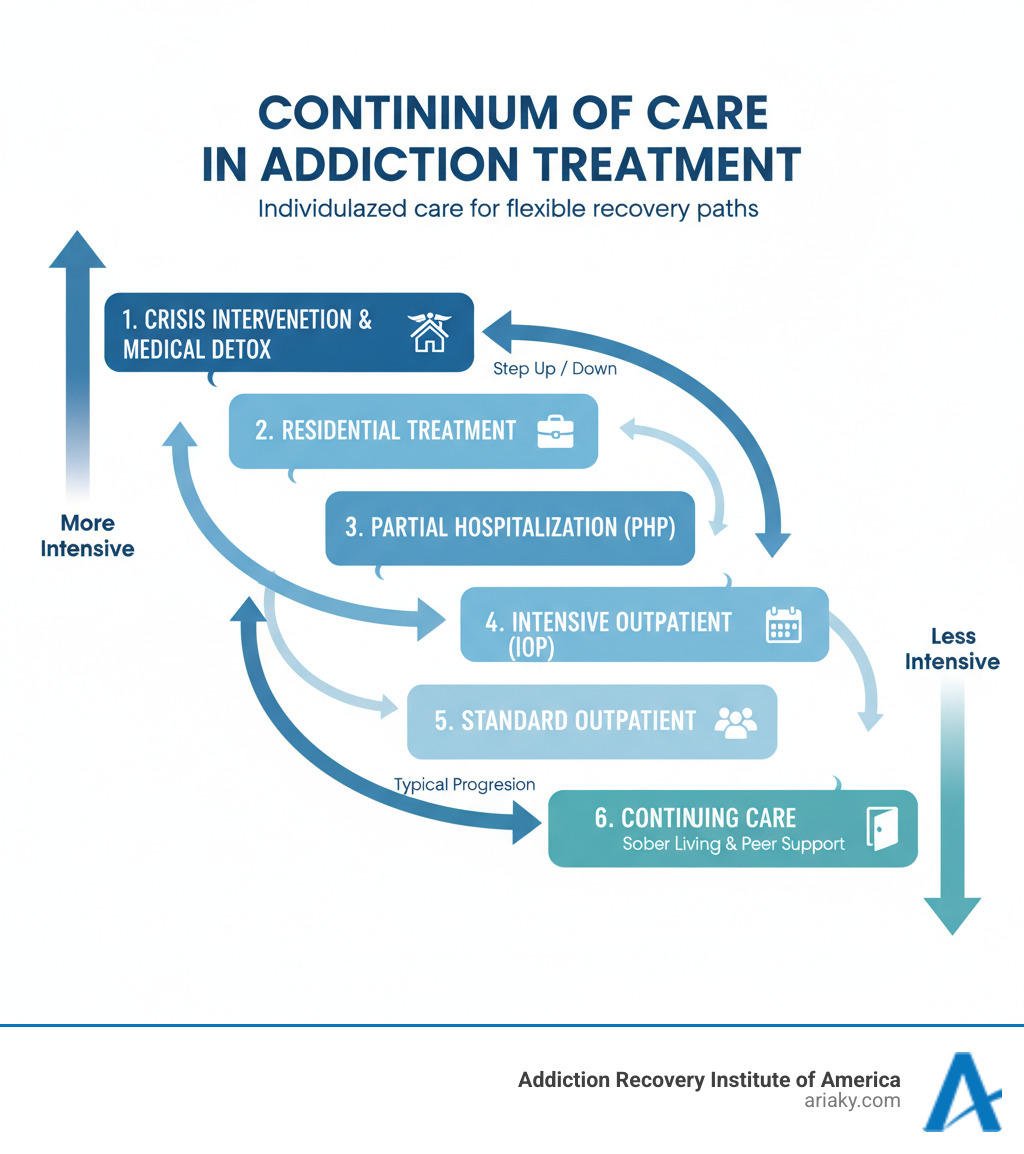
The number of treatment options can feel overwhelming, but drug and alcohol treatment is not one-size-fits-all. It’s a continuum of care—a spectrum of services that adapts to your changing needs as you progress in recovery.
This stepped-care model allows you to move between different levels of intensity. You might start in a residential program and transition to outpatient care, or vice versa. The goal is to find what works for you. At ARIA Kentucky, we build your treatment plan around your unique circumstances, as detailed in our Substance Abuse Treatment Complete Guide.
The First Step: Detoxification
For many, the journey begins with detoxification, where your body clears itself of substances while medical professionals manage withdrawal symptoms. While detox can be uncomfortable, it doesn’t have to be dangerous.
Medical detox is essential for alcohol, benzodiazepines, and opioids, as withdrawal can be life-threatening. At a facility like Kentucky Detox, you receive 24/7 monitoring and medications to ensure safety and comfort. Our Alcohol Detox Program KY prevents seizures, while our Opioid Detox Program eases severe discomfort.
Detox is only the beginning. It prepares your body for the real work of recovery, which happens in the treatment phases that follow.
Levels of Drug and alcohol treatment
After detox, you’ll move into ongoing drug and alcohol treatment. Programs vary in intensity to suit different needs.
| Treatment Level | Intensity | Time Commitment | Living Situation |
|---|---|---|---|
| Residential Treatment | High | 24/7 care, typically 30-90+ days | Live-in facility, substance-free environment |
| Partial Hospitalization Program (PHP) | High-Moderate | Several hours a day, 5-7 days a week | Live at home or in sober living, attend daily treatment |
| Intensive Outpatient Program (IOP) | Moderate | A few hours a day, 3-5 days a week | Live at home, attend regular treatment sessions |
| Standard Outpatient | Low | 1-2 hours a week | Live at home, attend weekly appointments |
Residential treatment provides an immersive, 24/7 structured environment, ideal for those with severe substance use disorders or unsupportive home lives. Our Residential Treatment Kentucky Ultimate Guide explains this level of care in more detail.
Partial Hospitalization Programs (PHP) are a step down, offering intensive daily treatment while you live at home or in sober living. Our Partial Hospitalization Program (PHP) Kentucky provides this structured flexibility.
Intensive Outpatient Programs (IOP) offer even more flexibility, with treatment a few days a week, allowing you to manage work or family responsibilities. Our Intensive Outpatient Program (IOP) Kentucky helps balance recovery and daily life.
Standard outpatient services involve weekly therapy and are best for those with mild SUDs or as a step-down to maintain long-term recovery. Outpatient Drug Rehab allows you to apply skills to your daily life immediately.
Our team will help you determine the right level of care based on your specific needs, with the flexibility to adjust as your journey progresses.
The Core of Healing: Therapeutic Approaches in Drug and alcohol treatment
Effective drug and alcohol treatment isn’t just about stopping substance use; it’s about healing why you started. Addiction is often a symptom of deeper issues like trauma or mental health challenges. Our Addiction Therapy Kentucky programs use a holistic approach to treat the whole person, not just the addiction.

Evidence-Based Behavioral Therapies
We use evidence-based therapies that are proven to work. These are the gold standard in modern addiction treatment.
Cognitive Behavioral Therapy (CBT) helps you recognize triggers and negative thought patterns that fuel addiction. Our Cognitive Behavioral Therapy Program teaches you to replace destructive habits with healthy coping mechanisms.
Dialectical Behavior Therapy (DBT) is especially helpful for those with intense emotions or trauma. It teaches skills in mindfulness, distress tolerance, emotion regulation, and interpersonal effectiveness. Our Dialectical Behavior Therapy Program helps you find balance and manage emotional pain without substances.
Foundational Support Therapies
These therapies provide the supportive structure for your recovery.
- Individual therapy offers a private space to work through personal challenges with a trusted therapist. Our Individual Therapy Program is custom to your unique journey.
- Group therapy provides a powerful sense of community with others who understand the struggle. Our Group Therapy Program KY reduces isolation and fosters peer support.
- Family therapy helps mend relationships and teaches loved ones how to support your recovery in a healthy way. Our Family Therapy Program KY addresses the fact that addiction impacts the entire family.
Specialized Treatment Programs
We offer specialized programs because different people need different approaches.
- Trauma-informed care is vital, as addiction and trauma are often linked. Our Trauma Related Addiction Program KY creates a safe environment to heal from both.
- Gender-specific programs address the unique challenges men and women face in addiction and recovery. Our Womens Rehab Program and Mens Rehab Program provide safe, focused environments for healing.
- Culturally-specific support honors and integrates your cultural background, values, and traditions into your recovery journey, making treatment more effective.
Essential Tools for Safety and Long-Term Recovery
Completing initial drug and alcohol treatment is the beginning of your recovery journey. Long-term sobriety requires ongoing support and the right tools to build “recovery capital”—the internal and external resources that help you thrive. Having these systems in place makes managing Addiction Recovery Challenges more achievable.

Medication-Assisted Treatment (MAT)
For opioid or alcohol use disorders, Medication-Assisted Treatment (MAT) can be a game-changer. It combines FDA-approved medications with therapy to support recovery. This isn’t replacing one drug with another; it’s using medicine to stabilize brain chemistry so you can focus on healing. Our Medication Assisted Treatment programs significantly improve outcomes and reduce overdose risk.
Opioid Agonist Treatment (OAT), using medications like methadone or buprenorphine, is the gold standard for opioid use disorder. It reduces cravings and withdrawal symptoms, allowing you to engage fully in therapy and rebuild your life.
Harm Reduction and Overdose Prevention
Harm reduction strategies save lives by reducing the negative consequences of substance use. These practical approaches include:
- Naloxone Kits: Naloxone (Narcan) can temporarily reverse an opioid overdose. You can find naloxone near you, often for free and without a prescription.
- Overdose Response Training: Learning to recognize overdose signs and how to respond (call 911, administer naloxone) saves lives.
- Fentanyl Test Strips: These strips detect the presence of deadly fentanyl in other drugs, preventing accidental overdoses. For those struggling with fentanyl, our Fentanyl Detox program provides critical medical support.
- Supervised Consumption Sites: Where available, these sites provide a safe, medically supervised environment, preventing overdose deaths and connecting people to health services.
The Importance of Aftercare and Family Support
Your recovery journey continues long after your initial program ends. Aftercare is the safety net that supports lasting change.
- Ongoing Support: This can include continued therapy, case management, and alumni programs to stay connected to a recovery community.
- Sober Living Homes: These provide a structured, substance-free environment to practice coping skills while gradually rebuilding your life.
- Peer Support Groups: Groups like Alcoholics Anonymous (AA), Narcotics Anonymous (NA), and SMART Recovery offer free, accessible community support.
- Family Support: Addiction affects the whole family. Resources like Moms Stop the Harm, Families for Addiction Recovery, Al-Anon, and Nar-Anon provide support and education for loved ones, helping them heal and learn how to support recovery effectively.
Frequently Asked Questions about Addiction Treatment
Making the decision to pursue drug and alcohol treatment brings up many questions. Here are answers to some of the most common concerns.
How can I pay for addiction treatment?
The cost of treatment should not be a barrier to getting help. Several options can make care affordable.
- Insurance Coverage: Many private insurance plans (like Aetna, Blue Cross Blue Shield, Cigna) cover substance use treatment. The specifics depend on your policy. We offer a free and confidential Insurance Verification service to determine your exact benefits.
- Private Pay Options: For those without sufficient insurance, many centers, including ARIA Kentucky, offer manageable payment plans.
- Government-Funded Programs: Low-cost or free treatment may be available through public programs.
Don’t let financial concerns stop you from reaching out. Visit our Paying for Treatment page to learn more.
What is a dual diagnosis?
A dual diagnosis, or co-occurring disorder, means having both a substance use disorder and a mental health condition (like depression, anxiety, or PTSD) at the same time. This is very common, as the two conditions often fuel each other.
Effective drug and alcohol treatment must address both conditions simultaneously. Treating the addiction while ignoring the underlying mental health issue leaves a person at high risk for relapse. At ARIA Kentucky, we provide integrated care to treat the whole person, addressing the root causes of addiction. You can learn more by exploring our content on Tag: Mental Health Disorder.
How can I find immediate help for an addiction crisis?
If you or someone you know is in immediate danger, you need help right now.
- Call 911 immediately for any life-threatening situation, such as a suspected overdose, seizure, severe confusion (delirium tremens), or thoughts of self-harm.
- For urgent but non-life-threatening situations, call the SAMHSA National Helpline at 1-800-662-HELP (4357). This free, confidential, 24/7 service connects you to local treatment facilities and support groups.
- Local crisis lines (such as dialing 2-1-1 in some areas) can also provide immediate, area-specific support.
You don’t have to handle a crisis alone. For more information, visit our Drug Problem Help page.
Your Path to a New Beginning Starts Here
If you’re reading this, you’ve already taken a courageous step toward healing. Whether for yourself or a loved one, know that recovery is possible, and you don’t have to figure it out alone.
The journey through drug and alcohol treatment is different for everyone. The right path is the one that works for you. Healing happens when treatment addresses the whole person in a safe, supportive, and empowering environment.
At Addiction Recovery Institute of America (ARIA Kentucky), we are an accredited and AODE-certified rehab center offering a full continuum of care, from detox to residential and outpatient programs. We listen to your story and create an individualized plan that fits your life and goals.
Recovery is about progress, not perfection. It’s about building a life richer than you imagined. We’re here to walk beside you, providing the evidence-based care and compassionate support you need to build lasting sobriety.
If you’re ready to explore what recovery could look like, we invite you to reach out. Find a rehab center to start your recovery. Your new beginning starts now.