
Navigating Heroin Detox and Rehab: Your Comprehensive Guide

If you’re looking into heroin detox and rehab, here’s a quick overview of what you can expect:
- Medically Supervised Detox: This is the first step. Medical professionals help you safely manage heroin withdrawal symptoms.
- Medication-Assisted Treatment (MAT): Special medicines help reduce cravings and ease withdrawal discomfort.
- Behavioral Therapies: Counseling and therapy sessions help you understand and change behaviors related to drug use.
- Rehabilitation Programs: These can be inpatient (staying at a facility) or outpatient (living at home while getting treatment), offering different levels of support.
- Aftercare Planning: This includes ongoing support to help you stay sober long-term.
Heroin addiction is a serious, chronic illness. But it is also treatable. Millions of people have been affected. For example, in 2022, about 1 million people aged 12 or older used heroin. Around 900,000 had a heroin use disorder.
Recovery is absolutely possible with the right help. This guide will walk you through every step. We will explain how detox works, what rehab programs are available, and how you can find lasting sobriety.
It’s a path that offers hope and a chance for a healthier life.
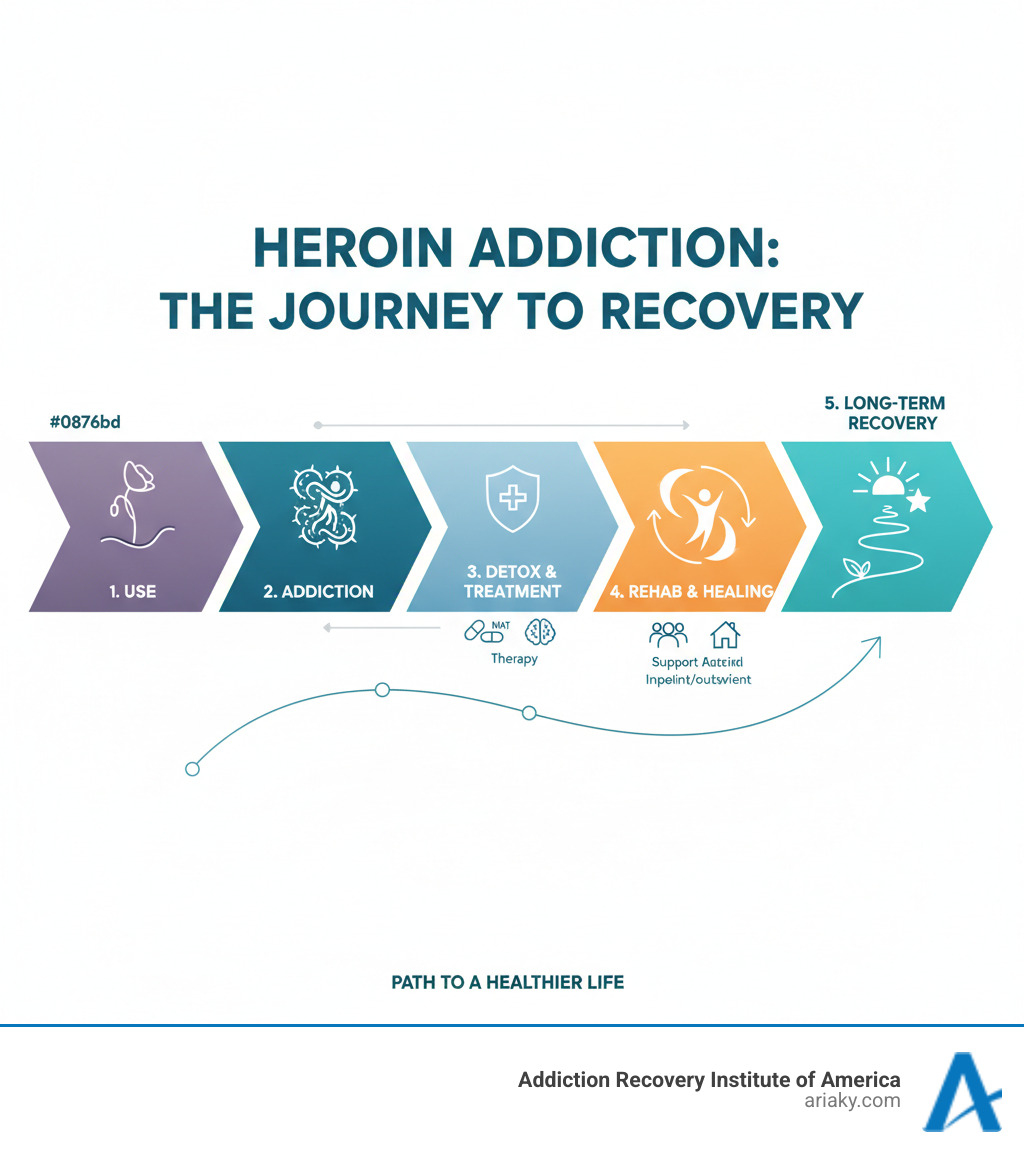
Heroin detox and rehab terms explained:
Understanding Heroin Addiction: How It Starts and Its Impact
Heroin is a powerful and highly addictive opioid drug derived from morphine. It is one of the most addictive substances known, creating rapid and intense effects.
What is Heroin Addiction and How Does It Develop?
Heroin addiction, clinically known as Opioid Use Disorder (OUD), is a medical condition that develops as the brain adapts to the drug’s presence. Heroin binds to opioid receptors, creating a powerful rush of euphoria by hijacking the body’s natural reward system. With regular use, the brain changes, leading to:
- Tolerance: Needing more of the drug to achieve the same effect.
- Physical Dependence: The body needs heroin to function normally, and stopping causes severe withdrawal symptoms.
This cycle of chasing euphoria and avoiding withdrawal traps individuals, making it a matter of survival rather than choice. This is why professional heroin detox and rehab is so critical. Often, an addiction to prescription opiates can lead to heroin use when prescriptions are no longer available, a key factor in the opioid crisis.
What Are the Effects and Risks of Heroin Use?
The impact of heroin is severe and can be immediate or long-term.
- Immediate Effects: Users feel a rush of euphoria, followed by drowsiness, mental fogginess, dry mouth, and heavy limbs. The most dangerous immediate effect is respiratory depression (slowed breathing), which is a primary cause of overdose.
- Long-Term Effects: Chronic use leads to profound brain chemistry changes, affecting decision-making and stress response. It also causes severe organ damage, hormonal imbalances, and a high risk of infections like HIV and Hepatitis C from injection. The risk of a fatal overdose is always present.
Mixing heroin with other substances, known as polysubstance use, dramatically increases these dangers. Combining it with depressants like alcohol or benzodiazepines heightens the risk of fatal respiratory depression. Mixing it with stimulants like cocaine can mask the opioid’s effects, leading to an unintentional overdose. Comprehensive heroin detox and rehab addresses these complex issues by promoting complete abstinence.
The Critical First Step: Medically Supervised Detox
Deciding to stop using heroin is a monumental step, but the withdrawal process can be overwhelming. This is why medically supervised heroin detox and rehab is essential for safety and success.
What Are the Signs and Symptoms of Heroin Withdrawal?
Heroin withdrawal symptoms typically begin 6-12 hours after the last dose and can feel like a severe case of the flu. While the acute phase lasts about a week, some symptoms can linger for months. Common signs include:
- Intense drug cravings
- Severe muscle and bone pain
- Nausea, vomiting, and diarrhea
- Anxiety, depression, and irritability
- Hot and cold flashes, sweating, and goosebumps
- Insomnia and exhaustion
These agonizing symptoms make quitting alone extremely difficult and often lead to relapse.
What is Medically Supervised Heroin Detox, and Why Is It Important?
Medically supervised heroin detox provides a safe, controlled environment to manage withdrawal under professional care. While heroin withdrawal is not typically life-threatening, the intense discomfort can lead to relapse. This is incredibly dangerous because your tolerance to heroin drops significantly after detox. Using the same amount as before can easily cause a fatal overdose.
Our medical detox programs offer:
- 24/7 Medical Monitoring: To manage complications and ensure your safety.
- Symptom Management: Medications are used to ease withdrawal symptoms, reducing suffering.
- A Safe Foundation for Recovery: By managing cravings and discomfort, detox provides the stability needed to begin therapy and further treatment.
Attempting to quit “cold turkey” is not only painful but also dramatically increases the risk of a deadly overdose upon relapse. Detox is the crucial first step that makes long-term recovery possible.
How Can Naloxone Be Used in Case of an Opioid Overdose?
Naloxone (Narcan) is a life-saving medication that can temporarily reverse an opioid overdose by blocking opioid receptors and restoring normal breathing. If you suspect an overdose (signs include blue lips, loss of consciousness, slow breathing, pinpoint pupils), you should:
- Administer naloxone immediately as a nasal spray or injection.
- Call 911 right away. Naloxone’s effects are temporary, and the person can slip back into overdose without emergency medical help.
- Stay with the person and monitor them until paramedics arrive.
Access to naloxone can mean the difference between life and death, and we encourage everyone connected to someone in recovery to carry it.
A Comprehensive Guide to Heroin Detox and Rehab Programs
After detox, a rehabilitation program is crucial for building a foundation for sobriety. At Addiction Recovery Institute of America, we offer comprehensive heroin addiction treatment programs custom to individual needs.
What is the Difference Between Inpatient and Outpatient Heroin Rehab?
Choosing the right level of care depends on addiction severity, mental health status, and home support. See our guide on inpatient vs. outpatient treatment for more details.
| Feature | Inpatient Heroin Rehab (Residential Treatment) | Outpatient Heroin Rehab (PHP/IOP) |
|---|---|---|
| Structure | Highly structured, 24/7 supervised environment. Patients live at the facility. | Structured therapy sessions, but patients live at home. |
| Intensity | Highest level of care, immersive, daily therapy. | High to moderate intensity, fewer hours than inpatient. |
| Ideal Candidate | Severe addiction, co-occurring disorders, unstable home, high relapse risk. | Less severe addiction, stable home, strong support, needing flexibility. |
| Duration | Typically 30, 60, or 90+ days. | Weeks to several months, varying hours per week. |
Inpatient and Outpatient Program Options
Inpatient (Residential) Rehab offers the highest level of care in a 24/7 supervised, drug-free environment. It allows for a complete focus on recovery through intensive daily therapy. This option is best for those with severe addiction, co-occurring disorders, a history of relapse, or an unstable home environment. Our residential treatment programs in Kentucky provide this immersive healing space. For more, see our Residential Treatment Kentucky Ultimate Guide.
Outpatient Programs (PHP & IOP) provide structured treatment while allowing you to live at home. They are ideal for those with strong home support or as a step-down from inpatient care.
- Partial Hospitalization Programs (PHP): The most intensive outpatient option, requiring about 30 hours of treatment per week. It provides a level of care similar to residential programs.
- Intensive Outpatient Programs (IOP): A more flexible option, typically involving 10-15 hours of therapy per week, allowing you to balance treatment with work or family life. Learn more about our Intensive Outpatient Programs (IOP).
How Long Does Heroin Addiction Treatment Typically Last?
The duration of heroin addiction treatment is personalized. There is no one-size-fits-all timeline, but a general guide is:
- Detox: 3-7 days.
- Inpatient/Residential Rehab: 30, 60, or 90 days. Longer stays are often recommended for more severe cases.
- Outpatient Programs (PHP/IOP): Several weeks to several months.
Long-term engagement in treatment significantly improves the chances of lasting sobriety.
The Core of Recovery: Evidence-Based Therapies and Medications
Effective heroin detox and rehab combines medication to stabilize the body with therapy to heal the mind. This dual approach is the gold standard for treating Opioid Use Disorder (OUD) and gives you the best chance at lasting recovery.

Medications for Opioid Use Disorder (MOUD)
Medication-Assisted Treatment (MAT), also called MOUD, combines FDA-approved medications with counseling. This approach is proven to increase treatment retention and reduce illicit drug use. Our Medication Assisted Treatment programs are always part of a complete plan. The three main medications are:
- Methadone: A long-acting full opioid agonist that reduces cravings and withdrawal symptoms without producing a high. It is dispensed daily in a clinical setting.
- Buprenorphine (Suboxone): A partial opioid agonist that relieves cravings with a lower risk of misuse due to its “ceiling effect.” It can be prescribed by certified physicians, increasing access to care.
- Naltrexone (Vivitrol): An opioid antagonist that blocks the euphoric effects of heroin, removing the incentive to use. It is not addictive but requires a person to be fully detoxed before starting treatment.
For more details, see the Heroin Research Report from the National Institute on Drug Abuse.
Behavioral Therapies in Heroin Addiction Treatment
While medications stabilize the body, behavioral therapies address the psychological roots of addiction. Our addiction treatment therapy programs use several evidence-based approaches:
- Cognitive Behavioral Therapy (CBT): Helps you identify and change negative thought patterns and behaviors related to drug use, teaching practical coping skills for managing triggers and stress.
- Contingency Management (CM): Uses positive reinforcement, like vouchers or privileges, to reward healthy behaviors such as attending therapy and passing drug tests. This helps retrain the brain’s reward system.
- Dialectical Behavior Therapy (DBT): Focuses on emotional regulation, distress tolerance, mindfulness, and interpersonal skills. It is especially helpful for those with co-occurring mental health challenges.
- Motivational Improvement Therapy (MET): A collaborative approach that helps you resolve ambivalence and find your own internal motivation for change.
- Family Therapy: Involves loved ones in the healing process to improve communication, repair relationships, and build a supportive home environment.
- Mindfulness-Based Stress Reduction (MBSR): Teaches mindfulness techniques to manage stress and cravings without turning to substances.
Combining these therapies with medication addresses addiction from every angle—body, mind, and behavior—providing a comprehensive path to recovery.
Navigating Treatment and Planning for Long-Term Sobriety
Recovery is an ongoing journey that requires dedication and support long after initial treatment. At ARIA Kentucky, we guide clients through a full continuum of care to build a life of lasting sobriety.
The Role of Aftercare in Sustaining Recovery
Aftercare is a personal roadmap for staying sober and is a critical part of any successful heroin detox and rehab program. Without it, the risk of relapse is high. Key components include:
- Relapse prevention planning and continued therapy.
- Sober living homes for a supportive transition.
- Peer support groups like Narcotics Anonymous (NA) or SMART Recovery for community and accountability.
Treating Co-Occurring Disorders (Dual Diagnosis)
It is common for heroin addiction to co-occur with mental health conditions like depression, anxiety, or PTSD. This is called a dual diagnosis. The most effective treatment is an integrated approach that addresses both the addiction and the mental health condition simultaneously. Our trauma related addiction program in KY is designed to handle these complex needs, acknowledging the deep connection between mental health and addiction and the importance of addressing stigma and mental health.
Special Considerations: Pregnancy and MAT
Medication-Assisted Treatment (MAT) is a safe and effective option for pregnant women with Opioid Use Disorder. MAT helps stabilize the mother, reduces illicit drug use, and leads to better outcomes for both mother and baby. While babies may experience Neonatal Abstinence Syndrome (NAS), symptoms are often less severe than withdrawal from street heroin. Specialized prenatal and addiction care, like that offered in our women’s rehab programs, is essential. More information is available on behavioral health treatment for mothers.
How to Pay for Heroin Detox and Rehab
The cost of treatment should not be a barrier to getting help. Options for paying for treatment include:
- Health Insurance: Most plans, including Blue Cross Blue Shield, are required to cover substance abuse services.
- Private Pay & Payment Plans: Self-payment and flexible plans are often available.
- State-Funded Programs & Scholarships: Government aid and non-profit scholarships can help cover costs.
Finding a Reputable Heroin Detox and Rehab Center
When choosing a center, look for:
- Accreditation and Licensing: Ensure the facility is certified by state and national bodies (like CARF or The Joint Commission).
- Evidence-Based Practices: The center should use scientifically proven treatments like MAT and CBT.
- Individualized Care: Treatment plans should be custom to your specific needs.
- A Full Continuum of Care: The availability of detox, residential, and outpatient programs ensures seamless transitions.
ARIA Kentucky is an accredited, AODE-certified facility offering a full range of services at our rehab centers in Kentucky.
Frequently Asked Questions About Heroin Treatment
Considering heroin detox and rehab brings up many questions. Here are clear, concise answers to some common concerns.
How long does heroin addiction treatment typically last?
Treatment duration is highly individualized. There is no set timeline, but typical phases include:
- Detox: 5 to 10 days.
- Inpatient Rehab: 30 to 90 days, with longer stays recommended for more severe cases.
- Outpatient Programs: Several weeks to several months.
Long-term engagement with treatment is key to a successful addiction recovery journey.
What are the different types of behavioral therapies used in heroin rehab?
Behavioral therapies address the psychological aspects of addiction. Common evidence-based approaches include:
- Cognitive Behavioral Therapy (CBT): To change negative thought patterns and behaviors.
- Dialectical Behavior Therapy (DBT): To manage intense emotions and improve relationships.
- Contingency Management: Uses rewards to reinforce positive behaviors.
- Motivational Interviewing: Helps individuals find their own motivation to change.
- Family Therapy: Heals family relationships and builds a supportive home environment. Learn about our family therapy program in KY.
Can I be forced into heroin rehab?
This depends on state laws. In some states, including Kentucky, a court can order involuntary commitment if a person’s substance use poses an immediate danger to themselves or others. This is a legal process used as a last resort in crisis situations.
However, voluntary treatment is almost always more effective for long-term recovery, as personal commitment is a powerful driver of change. If you are concerned about a loved one, we can offer guidance on how to approach the situation and encourage them to seek help.
Begin Your Journey to Recovery Today
Whew! We’ve covered a lot about heroin detox and rehab, and it might feel like a mountain to climb. Heroin addiction is indeed a huge challenge, but here’s the beautiful truth: it is a treatable disease. Recovery isn’t just a dream; it’s a living reality for millions of people who have walked this path before you.
At Addiction Recovery Institute of America (ARIA Kentucky), we’ve seen countless lives transformed. We truly believe in the power of comprehensive, personalized care. It’s not just about stopping drug use; it’s about rebuilding a life filled with purpose and joy.
If you or someone you care about is battling heroin addiction, please hear this: You are not alone. Help is here. Taking that first step can feel incredibly hard, like stepping off a cliff. But it’s also the bravest thing you can do for yourself or your loved one. It’s the moment everything can begin to change.
Our compassionate team is ready to walk with you. We’ll guide you through each stage of the process, from a safe, medically supervised detox to personalized therapy sessions and a solid plan for aftercare. We know that every person’s journey is unique, so your care will be custom-made just for you.
We are so proud to offer top-notch care at our accredited facilities across Kentucky. Your path to a healthier, happier, and sober life can truly start today. Let us help you find the strength and hope that’s waiting within you.