

Navigating the Path to Recovery in the Bluegrass State

Kentucky addiction rehab centers offer a full continuum of care to help individuals overcome substance use disorders. Here’s what you need to know to find the right treatment:
Quick Guide to Kentucky Addiction Rehab Options:
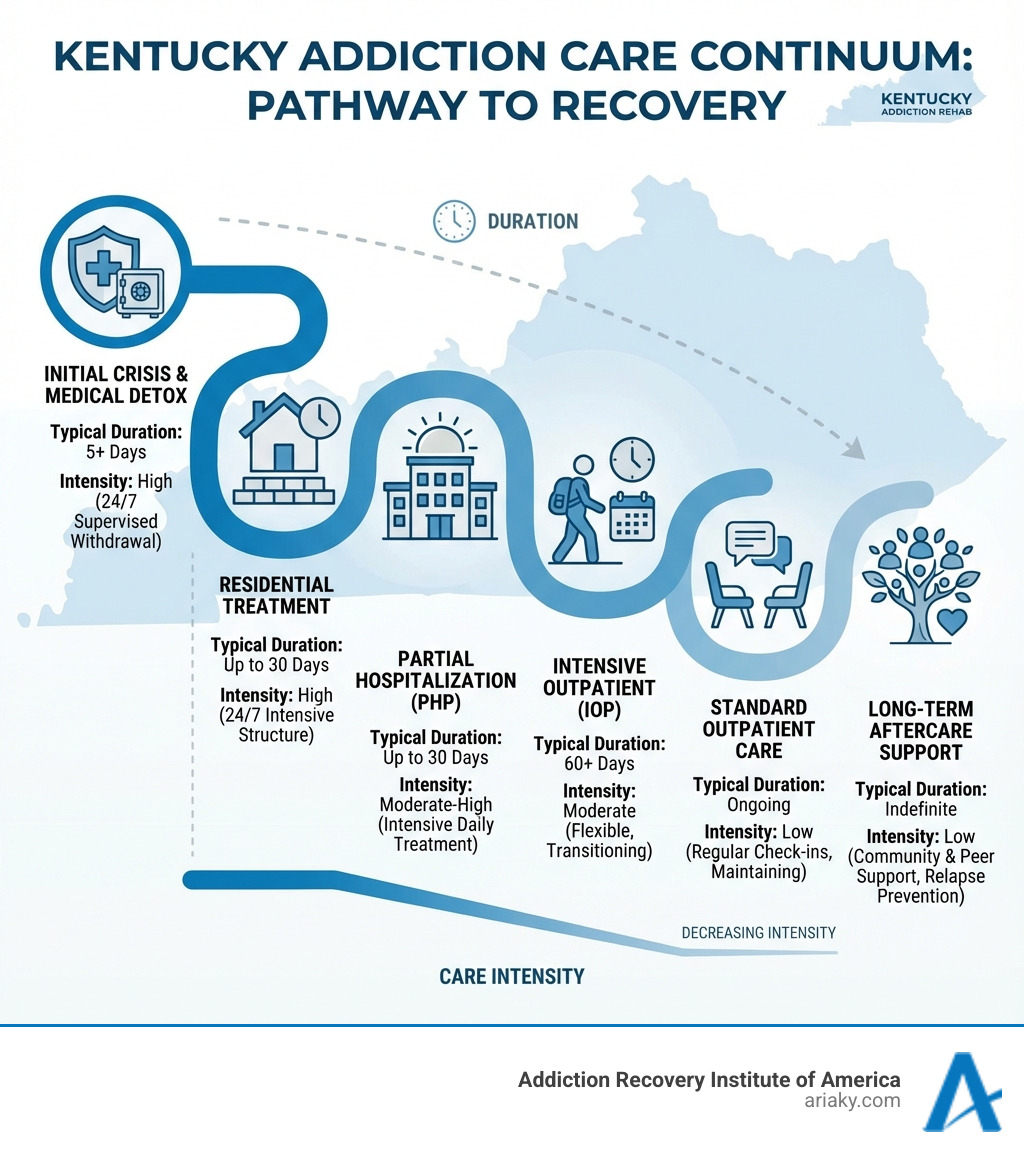
- Medical Detox – Medically supervised withdrawal in a safe environment (5+ days)
- Residential Treatment – 24/7 intensive care with structured therapy (up to 30 days)
- Partial Hospitalization (PHP) – Intensive daily treatment while living at home (up to 30 days)
- Intensive Outpatient (IOP) – Flexible treatment schedule for transitioning to independence (60+ days)
- Outpatient Care – Ongoing support while maintaining daily responsibilities
- Aftercare – Long-term recovery support and relapse prevention
Kentucky faces one of the nation’s highest rates of opioid overdose deaths. The opioid crisis has touched countless families across the Commonwealth, from Louisville to Lexington, from Bowling Green to the Appalachian foothills.
But there is hope.
Addiction is a treatable disease. With the right support, evidence-based treatment, and a personalized care plan, lasting recovery is possible. Kentucky offers a wide range of treatment options, from state-of-the-art facilities to community-focused nonprofit organizations.
This guide will help you understand your options, verify your insurance coverage, and find a Kentucky rehab center that meets your unique needs. Whether you’re seeking help for yourself or a loved one, you’ll learn how to steer the treatment landscape and take that crucial first step toward sobriety.
The journey to recovery starts with understanding what’s available and finding the right fit.
Understanding the Landscape of Addiction Treatment in Kentucky
Kentucky, with its picturesque landscapes and vibrant culture, has also faced significant challenges related to substance use disorder. We know that addressing the opioid use disorder epidemic is a top priority across all levels of government and public and private partners. Our state has one of the highest rates of opioid overdose deaths in the nation, making comprehensive, accessible Kentucky addiction rehab services more critical than ever.
The good news is that Kentucky is committed to providing robust support for its residents. State agencies, alongside dedicated treatment providers like us, are continually working to expand access to care and implement effective strategies. The Department for Behavioral Health, Developmental and Intellectual Disabilities is a key player in this effort, working to prevent disability, build resilience, and facilitate recovery. You can learn more about their mission and resources by visiting their site: Department for Behavioral Health, Developmental and Intellectual Disabilities.
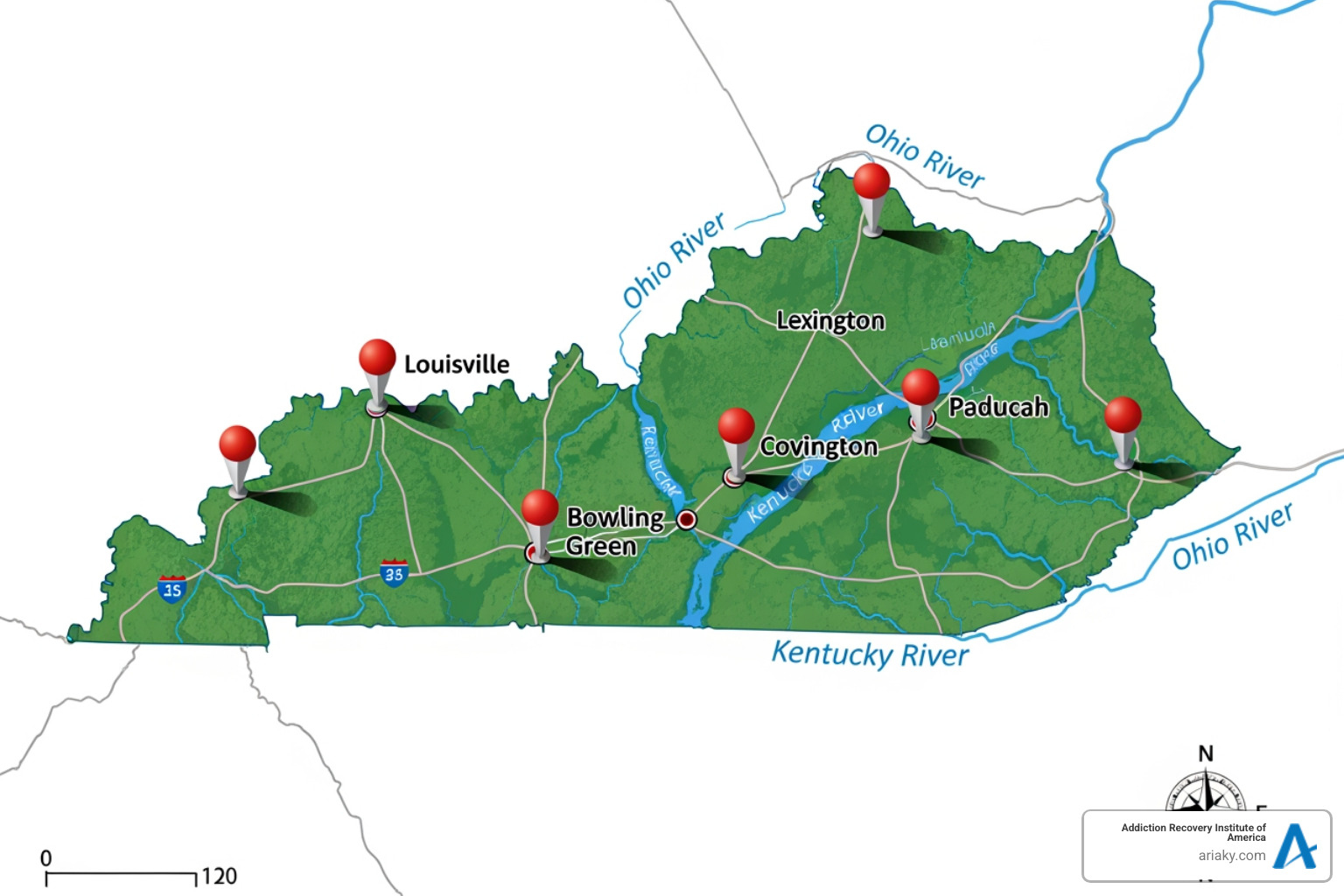
We understand that finding the right help can feel overwhelming, but we’re here to guide you through the options available right here in our communities, from Lexington and Louisville to Bowling Green, Covington, and Paducah.
Types of Addiction Treatment Services Available
When considering Kentucky addiction rehab, it’s important to understand the different levels of care available. Each stage is designed to meet varying needs, from immediate crisis intervention to long-term recovery support. We believe in providing a full continuum of care, ensuring that individuals receive the right treatment at the right time.
-
Medical Detox: This is often the first step in recovery, especially for those with physical dependence on substances. Medical detox involves medically supervised withdrawal, where healthcare professionals manage acute withdrawal symptoms in a safe, controlled environment. This process typically lasts 5+ days, depending on the substance and individual needs, ensuring comfort and safety as the body rids itself of toxins. You can learn more about our approach to detox programs, including specific ones like Alcohol Detox Kentucky: Guide 2025 or Opiate Detox Program.
-
Residential Treatment: Also known as inpatient rehab, this level of care involves living at a facility 24/7, receiving intensive therapy and support. Residential treatment programs offer a structured environment free from external triggers, allowing individuals to focus entirely on their recovery. This can last up to 30 days, providing a crucial foundation for lasting sobriety. Explore our comprehensive guide to Residential Treatment Kentucky: Ultimate Guide.
-
Partial Hospitalization Programs (PHP): PHP offers a high level of structured treatment without requiring overnight stays. Clients attend therapy sessions for several hours a day, multiple days a week, but return home or to a sober living environment in the evenings. This is a great option for those who have completed detox or residential care, or for those who need intensive support but have a stable home environment. Our PHP programs can extend up to 30 days. Find out more about our PHP Treatment Kentucky Complete Guide.
-
Intensive Outpatient Programs (IOP): IOPs provide a flexible yet structured treatment option. Clients participate in therapy sessions for a few hours per day, typically three to five days a week, allowing them to maintain work, school, or family responsibilities. This level of care is ideal for individuals transitioning from more intensive programs or those who need significant support while living independently. Our IOPs can last 60+ days, offering sustained support during this crucial period. Learn more about our Intensive Outpatient Program (IOP) Kentucky.
-
Outpatient Care: This is the least restrictive level of care, offering ongoing support through regular therapy sessions and group meetings. Outpatient care helps individuals manage triggers, develop coping skills, and maintain their recovery while fully integrating back into their daily lives. It’s a vital component of long-term sobriety. We encourage you to understand What is Outpatient Addiction Treatment?.
-
Aftercare Support: Recovery is a lifelong journey, and aftercare is essential for maintaining sobriety after formal treatment concludes. This includes alumni programs, support groups, ongoing therapy, and relapse prevention planning. We are committed to helping our clients build a robust support system for their long-term success.
Inpatient vs. Outpatient Treatment
The choice between inpatient (residential) and outpatient treatment is a significant one, and it depends largely on an individual’s specific needs, the severity of their addiction, and their living situation. Here’s a breakdown to help you understand the differences:
| Feature | Inpatient (Residential) Treatment | Outpatient Treatment |
|---|---|---|
| Level of Care | Highly structured and immersive, providing 24/7 medical supervision and therapeutic support. Clients live at the facility, removed from daily stressors and triggers. | Flexible and less restrictive, allowing clients to live at home or in a sober living environment while attending scheduled therapy sessions and groups. |
| Time Commitment | Full-time commitment, typically lasting from 30 to 90 days, though it can vary. The entire day is dedicated to recovery activities. | Part-time commitment, with sessions typically lasting a few hours per day, several days a week. Clients can continue with work, school, or family obligations. |
| Living Arrangements | Clients reside at the treatment facility, receiving round-the-clock care, meals, and a supportive community. | Clients live at home or in a supportive sober living facility. They commute to the treatment center for scheduled sessions. |
| Ideal Candidate | Individuals with severe addiction, a history of relapse, co-occurring mental health disorders, or unstable home environments. It’s also suitable for those who need a complete break from their current surroundings to focus on healing. | Individuals with less severe addiction, a strong support system at home, or those transitioning from inpatient care. It’s also suitable for those who need to maintain daily responsibilities while receiving ongoing support. Learn more about What is Outpatient Addiction Treatment?. |
The goal is to find the right fit that supports lasting recovery. We work with you to determine the most appropriate level of care based on a thorough assessment of your situation.
What to Look for in a Kentucky Addiction Rehab Center
Choosing a Kentucky addiction rehab center is one of the most important decisions you’ll make on the path to recovery. It’s not just about finding a place; it’s about finding the right environment, the right team, and the right approach to support your unique journey. We believe in providing quality care that is both effective and compassionate.

When exploring options, consider centers that prioritize individualized treatment, employ evidence-based practices, and offer comprehensive, holistic support. These elements are crucial for addressing the complex nature of addiction and fostering long-term healing.
Key Features of a Reputable Kentucky Addiction Rehab
A reputable Kentucky addiction rehab center stands out through several key characteristics that ensure high-quality, effective care:
-
Accreditation and Licensing: This is non-negotiable. Look for centers that are accredited and licensed by state and national bodies. For instance, we are proud to be an AODE-certified facility, demonstrating our commitment to upholding national standards, state licensure, and ethical compliance. This ensures that the facility meets rigorous standards for safety, quality of care, and professional conduct.
-
Qualified Staff: The expertise and compassion of the treatment team are paramount. A reputable center will employ licensed clinicians, board-certified medical providers, and certified addiction specialists. Our team is dedicated to combining clinical expertise with genuine care, ensuring that you receive the highest standard of support.
-
Personalized Care Plans: No two individuals struggling with addiction are the same. Effective treatment requires an individualized approach, with care plans custom to your specific needs, history, and goals. We understand that a one-size-fits-all solution simply doesn’t work, which is why we design programs that cater to each client’s unique journey.
-
Continuum of Care: Addiction recovery is not a single event but a process. A comprehensive rehab center offers a full Continuum of Care, guiding you through various levels of treatment, from detox to residential, PHP, IOP, and aftercare. This seamless transition ensures consistent support as you progress in your recovery.
-
Safe and Supportive Environment: A healing environment is crucial. This means a facility that is not only physically safe and clean but also fosters a sense of community, respect, and emotional security. We strive to create a space where you feel comfortable, understood, and empowered to focus on your recovery.
Addressing Co-Occurring Mental Health Disorders
It’s common for individuals struggling with addiction to also experience co-occurring mental health disorders, such as depression, anxiety, PTSD, or bipolar disorder. This is often referred to as a dual diagnosis, and it significantly impacts the recovery process. Ignoring one while treating the other can lead to relapse and hinder long-term sobriety.
A reputable Kentucky addiction rehab center will offer integrated care, meaning that both the substance use disorder and any mental health conditions are treated simultaneously by a multidisciplinary team. We provide individualized mental health treatment programs alongside addiction recovery, recognizing the interconnectedness of these challenges. For those who have experienced trauma, which often underlies addiction, specialized programs like our Trauma Related Addiction Program KY are vital for healing. By addressing both aspects of your health, we help you build a stronger foundation for lasting well-being.
The Benefits of a Holistic Approach
We believe that true healing extends beyond just stopping substance use; it involves nurturing the whole person—mind, body, and spirit. This is the essence of a holistic approach to addiction treatment. Instead of focusing solely on the addiction, we consider all aspects of your well-being.
A holistic Kentucky addiction rehab program incorporates various therapies and activities designed to promote overall wellness. This might include:
- Mind-Body Practices: Mindfulness, meditation, and yoga can help reduce stress, improve emotional regulation, and foster a deeper connection with oneself.
- Nutritional Support: Healthy eating is fundamental for physical and mental recovery. Many programs offer balanced meals and education on nutrition to restore physical health.
- Physical Activity: Exercise, whether it’s gentle walks or more vigorous activities, can boost mood, reduce cravings, and improve overall health.
- Creative Therapies: Art, music, or writing can provide healthy outlets for expression and processing emotions.
- Spiritual Exploration: For many, reconnecting with or finding a spiritual path provides purpose and strength in recovery. This doesn’t necessarily mean organized religion but rather a sense of meaning and connection.
By treating the whole person, we equip you with a comprehensive set of tools for not only overcoming addiction but also for building a healthier, more fulfilling life. Our Kentucky Addiction Treatment Therapy Programs are designed with this comprehensive wellness in mind.
The Building Blocks of Recovery: Therapies and Support
Recovery is built on a foundation of effective therapies and strong support systems. At any quality Kentucky addiction rehab, you’ll find a variety of therapeutic modalities designed to address the root causes of addiction, develop coping mechanisms, and foster personal growth. Building a robust support network is equally important, providing encouragement and accountability throughout the journey.
The Role of Medication-Assisted Treatment (MAT)
Medication-Assisted Treatment (MAT) plays a crucial role in many modern Kentucky addiction rehab programs, particularly for opioid and alcohol use disorders. MAT combines FDA-approved medications with counseling and behavioral therapies, offering a comprehensive approach to recovery.
For opioid addiction, medications like Suboxone, Vivitrol, and Subutex can significantly reduce cravings and withdrawal symptoms, making it easier for individuals to engage in therapy and focus on their recovery. Similarly, for alcohol dependence, medications can help manage cravings and prevent relapse. MAT is not simply substituting one drug for another; it’s a clinically proven method that helps stabilize brain chemistry, allowing individuals to make progress in their treatment. Our Opiate Addiction Treatment Program incorporates MAT when clinically appropriate, supporting long-term recovery and reducing the risk of overdose.
Specialized and Individualized Therapy Programs
Effective Kentucky addiction rehab relies on diverse and individualized therapy programs. We understand that every person’s journey is unique, which is why we offer a range of specialized therapies custom to individual needs:
- Individual Therapy Program: Provides one-on-one sessions with a therapist to explore personal issues, develop coping strategies, and set recovery goals.
- Group Therapy Program KY: Offers a supportive environment where individuals can share experiences, gain insights from peers, and practice new social skills.
- Family Therapy Program KY: Involves family members in the healing process, addressing communication breakdowns and fostering healthier relationships.
- Cognitive Behavioral Therapy (CBT) Program: Helps individuals identify and change negative thought patterns and behaviors that contribute to substance use.
- Dialectical Behavior Therapy (DBT) Program: Focuses on teaching skills in mindfulness, emotional regulation, distress tolerance, and interpersonal effectiveness, particularly beneficial for those with co-occurring mental health conditions.
- Trauma-Informed Care: Recognizes the widespread impact of trauma and integrates this understanding into all aspects of treatment. Our Trauma Related Addiction Program KY is a testament to this commitment.
- Gender-Specific Programs: We offer both Mens Rehab Program and Womens Rehab Program to create safe spaces where individuals can address gender-specific issues without distractions.
These specialized programs ensure that treatment is comprehensive, addressing not only the addiction itself but also any underlying psychological, emotional, or social factors.
Integrating Family and Peer Support
Recovery is rarely a solitary journey. The involvement of family and the support of peers can significantly improve the recovery process. In Kentucky addiction rehab, we emphasize building strong support systems.
-
Family Involvement: Addiction impacts the entire family system. Our Family Therapy Program KY is designed to heal relationships, improve communication, and educate family members about addiction and recovery. When families learn to support their loved one in healthy ways, it creates a more stable environment for lasting sobriety.
-
Peer Support: Connecting with others who have lived experience in recovery is incredibly powerful. Peer support specialists, often individuals who have successfully steerd their own recovery, offer invaluable guidance, empathy, and hope. They can serve as mentors, sharing practical strategies and demonstrating that recovery is achievable. Many programs also integrate 12-Step models or other community-based support groups like SMART Recovery, which provide a framework for ongoing support and personal growth. These groups foster a sense of belonging and community reinforcement, which are vital for long-term sobriety.
How to Access and Pay for Treatment in Kentucky
Navigating the path to recovery involves practical steps, including finding treatment openings and understanding how to cover the costs. We’re here to help you through these crucial considerations for accessing Kentucky addiction rehab.
Finding Treatment Openings and Emergency Support
When you or a loved one needs help, knowing where to turn for immediate assistance is vital. Kentucky offers several resources to help you find treatment openings and provide emergency support:
-
KSP Angel Initiative: The Kentucky State Police (KSP) offers the KSP Angel Initiative. This program allows individuals struggling with addiction to walk into any of the 16 KSP Posts across the Commonwealth, ask for help, and be connected with treatment centers that have health professionals experienced in substance use disorders. It’s a compassionate gateway to care.
-
National Helplines: For immediate and confidential assistance, the SAMHSA National Helpline (1-800-662-HELP (4357)) is a national resource that can provide information and referrals to treatment services, available 24/7.
-
Crisis Hotlines: In a mental health or substance use crisis, local crisis hotlines or emergency services (911) should be contacted immediately.
We also offer 24/7 support and are always ready to answer your questions and guide you to the appropriate next steps.
Verifying Insurance and Understanding Costs
The cost of Kentucky addiction rehab is a common concern, but most reputable centers work with insurance providers to make treatment accessible. Understanding your insurance benefits is a key step:
-
Insurance Verification: We streamline the process of verifying your health insurance. You can typically reach out to our admissions team directly or use an online form for Insurance Verification. Our team will work with you to understand your policy and determine what treatment services are covered.
-
Accepted Plans: Many major insurance providers offer coverage for addiction treatment. We accept plans from companies like Aetna Insurance, Blue Cross Blue Shield, Cigna, and Magellan Health Insurance, along with many other plans and carriers. Don’t hesitate to contact us even if your provider isn’t explicitly listed, as coverage options can vary.
-
Understanding Your Benefits: Our team will help you understand your deductible, co-pays, and out-of-pocket maximums, ensuring clarity on any potential costs. Our goal is to make the financial aspect of treatment as transparent and manageable as possible. For more general information on this topic, you can visit our page on Paying for Treatment.
Options for Low-Income Individuals
Access to Kentucky addiction rehab should not be limited by financial constraints. For individuals with low income, several options exist to help cover the cost of treatment:
-
Medicaid Coverage: Kentucky Medicaid is a vital resource for many residents, and numerous addiction treatment centers, including ours, proudly accept Medicaid plans. Medicaid can cover a significant portion, if not all, of treatment costs, making quality care accessible.
-
Sliding Scale Fees: Some treatment providers offer a sliding fee scale, where the cost of services is adjusted based on an individual’s income and ability to pay. This ensures that essential treatment remains affordable.
-
Non-Profit Organizations: Many non-profit addiction treatment organizations are dedicated to serving underserved populations and may offer reduced-cost or free services to eligible individuals. They often rely on grants and donations to provide care.
We encourage you to discuss your financial situation openly with our admissions team. We are committed to helping you explore all available options to ensure you receive the care you need.
Life in Recovery: Support Beyond Treatment
Completing a Kentucky addiction rehab program is a monumental achievement, but it’s just the beginning of a lifelong journey. Life in recovery is about building a new foundation, preventing relapse, and continuously growing. The support systems and services available after formal treatment are crucial for maintaining sobriety and thriving.
Success Stories and Lasting Sobriety
Hearing success stories can be incredibly motivating and offer tangible proof that lasting sobriety is possible. These testimonials highlight the transformative power of effective Kentucky addiction rehab and the resilience of the human spirit. Individuals who have completed treatment often share how they found purpose, rebuilt relationships, and achieved goals they once thought impossible.
For instance, many programs emphasize helping individuals not only overcome addiction but also gain the skills and opportunities to secure meaningful employment and build stable lives. These are not just stories of abstinence, but of profound personal growth and contribution to the community. These stories underscore that addiction is a treatable disease, and a fulfilling life in recovery is within reach.
Housing, Job Assistance, and Aftercare
Sustaining recovery often requires more than just clinical treatment; it demands a stable living environment and the ability to support oneself. Reputable Kentucky addiction rehab centers, or their community partners, often provide or connect individuals with crucial support services:
-
Sober Living Homes: These provide a safe, drug-and-alcohol-free environment for individuals transitioning from residential treatment. Sober living homes offer structure, peer support, and accountability, helping residents gradually reintegrate into society.
-
Vocational Training and Job Assistance: Programs that integrate educational and workforce opportunities are invaluable. They help individuals develop new skills, prepare for interviews, and find stable employment, which is a cornerstone of independent living and long-term recovery.
-
Aftercare Support Groups: Ongoing support groups, such as 12-step programs or other peer-led groups, are essential. They provide a continuous network of support, helping individuals steer challenges, celebrate milestones, and prevent relapse. Many centers offer their own alumni programs, and such resources are widely available.
-
Ongoing Therapy: Regular individual or group therapy sessions can continue long after formal treatment, providing a space to address new challenges, refine coping mechanisms, and support emotional well-being.
By providing these comprehensive support services, we aim to ensure that individuals have all the necessary tools and resources to build a stable, fulfilling, and sober life.
Take the First Step Towards a New Beginning
We’ve explored the comprehensive landscape of Kentucky addiction rehab, from the various levels of care and critical features of reputable centers to the importance of holistic approaches, specialized therapies, and crucial aftercare support. We’ve also highlighted how to steer the financial aspects and access vital resources.
The journey to recovery is deeply personal, but you don’t have to walk it alone. Addiction is a treatable disease, and with the right help, a new beginning is not just a dream—it’s a tangible reality. The Addiction Recovery Institute of America (ARIA) is here to offer that support, providing custom, evidence-based programs designed for lasting sobriety.
If you or a loved one is struggling, we encourage you to take that courageous first step. Reach out, ask questions, and let us help you find the path forward. Your future, free from addiction, starts now.