

Understanding Meth Detox: Your First Step Toward Recovery
Meth detox is the process of safely removing methamphetamine from your body while managing withdrawal symptoms under medical supervision. Here’s a quick overview:
- Timeline: The drug clears your system in 20-25 hours, but withdrawal symptoms can last 2-4 weeks or longer.
- Symptoms: Include intense fatigue (57%), headaches (63%), depression (41%), anxiety (41%), and powerful cravings (95%).
- Safety: While not typically fatal, medical supervision is strongly recommended due to risks of severe depression, dehydration, and psychosis.
- Best Approach: Medically supervised detox provides 24/7 monitoring, symptom management, and emotional support.
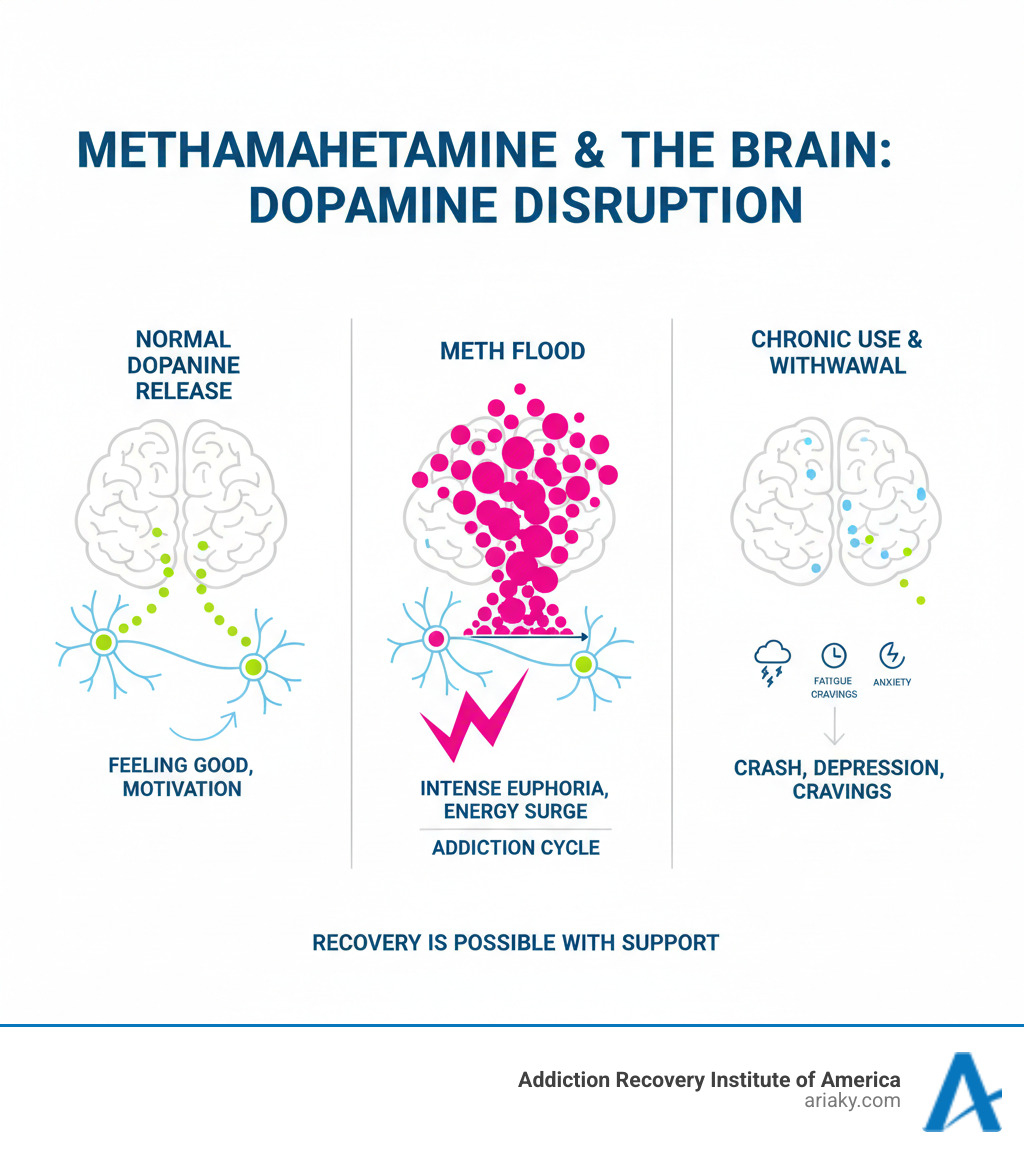
Methamphetamine addiction creates a powerful cycle that’s difficult to break alone. The drug floods the brain with dopamine, creating intense euphoria. Over time, the brain becomes dependent on meth to feel normal, making the thought of quitting overwhelming.
One man described detox as “feeling like my body was shutting down.” He relapsed trying it alone but found success with medical supervision.
The detox process is challenging, but it’s manageable with the right support. Physical symptoms like extreme fatigue and headaches peak within the first week, while psychological symptoms like depression and cravings can persist for weeks or months.
You don’t have to face this alone. Professional detox programs provide the medical care, emotional support, and structured environment needed to safely steer withdrawal and begin your recovery journey.
What is Methamphetamine and Why is Withdrawal So Difficult?
Methamphetamine, or meth, is a powerful stimulant that dramatically affects the central nervous system. When used, it triggers a massive release of dopamine, the brain’s pleasure chemical, creating intense euphoria and energy. This powerful high drives a rapid cycle of addiction that is incredibly hard to break.
With repeated use, the brain reduces its natural dopamine production and becomes dependent on meth just to feel normal. This is why meth detox is so challenging—the brain must relearn how to function without the drug. Immediate side effects can include anxiety, paranoia, and even meth-induced psychosis.
Long-term effects are severe, with studies showing a link between meth abuse and severe cognitive impairments. Thinking, memory, and decision-making can be seriously damaged. Physically, long-term use can lead to skin sores, severe tooth decay (“meth mouth”), and an increased risk of stroke.
When you stop using meth, the resulting chemical imbalance creates a range of overwhelming withdrawal symptoms.
Physical Symptoms of Meth Withdrawal
The body’s adjustment process after stopping meth can be physically grueling. Key symptoms include:
- Fatigue: Overwhelming exhaustion affects 57% of people, who may sleep for days as their body recovers.
- Headaches: Affecting 63% of people, these can be severe and persistent.
- Sleep Problems: About 52% of people report disturbed sleep patterns, such as insomnia or waking up repeatedly, which can last for weeks.
- Increased Appetite: Meth suppresses hunger, so a ravenous appetite is common during withdrawal.
- Other Symptoms: Primary physical symptoms also include muscle aches, nausea, sweating, dry mouth, and itchy eyes.
Psychological Symptoms of a Meth Detox
The mental and emotional challenges of meth detox are often the most difficult part, stemming from severe disruption to the brain’s dopamine system.
- Depression: Affecting 41% of people, this is often a severe, crushing hopelessness that can last for months.
- Anxiety: Also affecting 41% of people, this can manifest as nervousness, agitation, or panic attacks.
- Paranoia and Hallucinations: About 20% of people experience paranoia, while 16% may have hallucinations, such as seeing things that aren’t there or feeling bugs crawling on their skin (“meth mites”).
- Cravings: A staggering 95% of people experience intense cravings for meth, which are a major driver of relapse.
- Anhedonia: This is the inability to feel pleasure. Long-term meth use can decrease the number of dopamine receptors, making once-enjoyable activities feel flat. This can continue for years after quitting.
Other symptoms include mood swings, confusion, and memory problems. In severe cases, the combination of depression and anhedonia can lead to suicidal thoughts, which is why professional supervision during detox is critical.
The Meth Withdrawal Timeline: What to Expect
Knowing the meth detox timeline can help reduce fear and uncertainty, but each person’s experience is unique. Factors like the duration and intensity of meth use, personal health, and co-occurring substance use can influence the timeline. Research shows that longer or higher-dose use typically leads to a longer withdrawal.
Acute meth withdrawal symptoms generally last from a few days to several weeks, but psychological symptoms like cravings and mood swings can linger much longer. Withdrawal occurs in two main phases.

The Acute Phase (First 1-2 Weeks)
This is typically the most difficult period as your body adjusts to the absence of meth.
-
The “Crash” (First 24-48 hours): After the last use, the body and brain crash. This brings profound exhaustion, severe depression, and mental fog. Some people also experience paranoia, anxiety, or hallucinations as the brain reacts to the sudden absence of the drug.
-
Days 3-10: Extreme physical exhaustion may start to ease, but psychological symptoms often intensify. Cravings become powerful and persistent, making this a period of high relapse risk. While you may feel slightly better physically, you are still mentally and emotionally vulnerable. Professional support during meth detox is crucial to steer these challenging days.
Post-Acute Withdrawal Syndrome (PAWS)
After the acute phase, many people experience Post-Acute Withdrawal Syndrome (PAWS) as the brain continues its long-term healing process.
-
From Week 2 Onward: Psychological symptoms may come and go in waves. You might experience mood swings, with good days followed by days of deep depression. These are a normal part of the brain relearning to regulate emotions.
-
Lingering Symptoms: Sleep problems, cravings, and anhedonia (the inability to feel pleasure) can persist for weeks, months, or even for years. This occurs because the brain’s damaged dopamine system needs significant time to heal.
PAWS can be discouraging and is a common reason for relapse. Understanding that this is an expected part of recovery is vital. Ongoing support through therapy and aftercare is essential for long-term success. Recovery is a marathon, not a sprint, but with professional care and patience, healing happens.
Navigating Your Meth Detox Options: From Home to Professional Care
Deciding where and how to detox is a critical first step in breaking free from methamphetamine. Detox is the natural process of the body ridding itself of harmful substances. For meth users, this process can be dangerous without the right support.
While the idea of detoxing in familiar surroundings is appealing, professional medical supervision is the safest and most effective approach for meth withdrawal. Your choice of setting matters.

The Risks of Detoxing at Home
Attempting to detox from meth at home carries serious, often unanticipated, risks:
- Severe Psychological Symptoms: Without professional supervision, symptoms like paranoia, severe depression, and anxiety can spiral. Some people experience psychotic episodes with hallucinations, which can lead to self-harm or dangerous behavior.
- Dehydration: While meth withdrawal is usually not fatal, complications like severe dehydration can become life-threatening. It’s easy to neglect fluid intake when dealing with exhaustion and discomfort, leading to a medical emergency.
- High Relapse Risk: Intense cravings (experienced by 95% of people) are nearly impossible to resist without support. Access to the drug makes relapse easy. Furthermore, relapsing after a period of abstinence increases the risk of a fatal overdose due to lowered tolerance.
- Lack of Medical Support: At home, you have no access to medications to ease symptoms or medical intervention if complications arise.
Why Medically Supervised Meth Detox is Recommended
Professional treatment centers provide comprehensive care that cannot be replicated at home. This approach creates the optimal conditions for healing.
- Safe, Drug-Free Environment: You are removed from triggers and access to drugs, allowing you to focus entirely on recovery.
- 24/7 Medical Monitoring: Experienced staff track vital signs and overall health around the clock, addressing any complications immediately before they become dangerous.
- Symptom Management: Medical professionals can prescribe medications to ease anxiety, manage depression, aid sleep, and reduce physical discomfort, making the process more bearable.
- Nutritional and Hydration Support: Teams ensure you receive the proper nutrients and fluids your body needs to heal and regain strength after malnutrition caused by meth use.
- Emotional and Psychological Support: You receive empathetic support from professionals who understand withdrawal. This emotional scaffolding is often the difference between success and relapse.
At Addiction Recovery Institute of America, our medically supervised detox programs in Kentucky provide the highest level of care in a compassionate environment. A professional facility ensures you stick to your recovery plan when willpower alone is not enough.
Life After Detox: Medications, Therapies, and Support Systems
Completing meth detox is a major achievement, but it’s only the first step. Lasting recovery is built in the weeks and months that follow, with medications, therapies, and strong support systems as your greatest allies.
Medications That Can Help Ease Methamphetamine Withdrawal Symptoms
While no single medication is FDA-approved specifically for meth addiction, several can help manage symptoms and support recovery. Pharmacological approaches are constantly evolving, but current options include:
- Bupropion: An antidepressant that may help reduce drug cravings.
- Modafinil: Used for narcolepsy, it can help with the extreme fatigue and sleep issues common in early recovery.
- Fluoxetine: Can provide stability for those battling severe anxiety and panic attacks.
- Benzodiazepines: May be used short-term under strict medical supervision to manage intense agitation or psychotic symptoms during acute withdrawal.
- Naltrexone: Often combined with bupropion, it may help by blocking the euphoric effects of the drug while bupropion addresses cravings.
At Addiction Recovery Institute of America, we stay current with the best evidence-based practices to give you every advantage.
Behavioral Therapies and Support Groups Helpful in Meth Addiction Recovery
Medications ease symptoms, but behavioral therapies teach you how to live differently and are the foundation of lasting change.
- Cognitive-Behavioral Therapy (CBT): Helps you identify and change the thought patterns and behaviors that lead to drug use, providing practical tools to manage cravings and high-risk situations.
- The Matrix Model: A comprehensive approach combining individual and group therapy, family education, and drug testing to build a fulfilling, drug-free life.
- Other Therapies: Motivational Improvement Therapy (MET) can help with commitment, while Dialectical Behavior Therapy (DBT) or trauma-informed therapy can address deeper, co-occurring issues.
- Individual and Group Therapy: Individual sessions offer a private space for personal challenges, while group therapy provides connection and reminds you that you’re not alone.
- Peer Support Groups: Groups like 12-step programs offer invaluable ongoing support, shared experience, accountability, and a sense of community that is vital for long-term recovery.
| Therapy Type | Key Focus | Benefits in Meth Recovery |
|---|---|---|
| Cognitive-Behavioral Therapy (CBT) | Identifying and changing problematic thoughts and behaviors. | Develops coping skills, prevents relapse, addresses triggers. |
| The Matrix Model | Comprehensive blend of individual, group, and family therapy, education. | Provides structured support, addresses underlying issues, promotes a drug-free lifestyle. |
| Support Groups | Peer-led meetings, shared experiences, mutual accountability. | Reduces isolation, offers encouragement, builds a sober community, provides long-term support. |
How Can Friends and Family Support Someone Going Through Meth Withdrawal?
If you love someone going through meth detox, your support is invaluable. Here’s how you can help:
- Cover the Basics: Ensure they are getting enough sleep, staying hydrated, and eating nutritious food. Their body needs rest and fuel to heal.
- Be an Emotional Anchor: Acknowledge their struggle without minimizing it. Remind them that healing takes time and that you are proud of them for taking this step.
- Encourage Professional Help: Gently but firmly encourage them to work with an addictions counselor or treatment center. You can be supportive, but you cannot be their therapist.
- Help Them Rebuild: Support them in exploring new hobbies and healthy routines to refind life without the drug.
Your consistent, patient support can make all the difference.
Frequently Asked Questions about Meth Withdrawal
Is meth withdrawal life-threatening?
Methamphetamine withdrawal is usually not fatal on its own, unlike withdrawal from alcohol or benzodiazepines. However, “not fatal” does not mean “safe.” Complications can become dangerous without proper care.
The primary physical risk is severe dehydration from sweating, nausea, and neglect of fluid intake. The more significant dangers often stem from psychological symptoms. Intense depression can lead to suicidal thoughts. Paranoia and hallucinations can result in accidents or dangerous behavior. A psychotic episode during withdrawal can cause a person to harm themselves or others.
This is why medical supervision during meth detox is so strongly recommended. Trained professionals can manage complications before they become emergencies, ensuring a safer and more successful detox.
How long does it take to detox from meth?
This question has two parts. First, how long does it take for the drug to leave the body? Methamphetamine’s half-life is 10-12 hours, meaning it takes about 20–25 hours for the body to clear the drug completely.
However, the withdrawal symptoms last much longer. The acute phase, or the “crash,” hits hardest in the first 2-3 days with overwhelming fatigue and depression. These acute symptoms typically begin to ease after a week.
The psychological symptoms are a marathon. Mood swings, intense cravings, and sleep disturbances can persist for weeks. Depression can last for months or even up to a year. Additionally, Post-Acute Withdrawal Syndrome (PAWS) can cause symptoms to come and go for months or years as the brain heals.
Can the brain heal after long-term meth use?
Yes, the brain has a remarkable capacity to heal. With sustained abstinence, the brain’s dopamine system can slowly begin to repair itself. Damaged dopamine receptors can regenerate over time, leading to real improvements in cognitive functions like memory, attention, and decision-making.
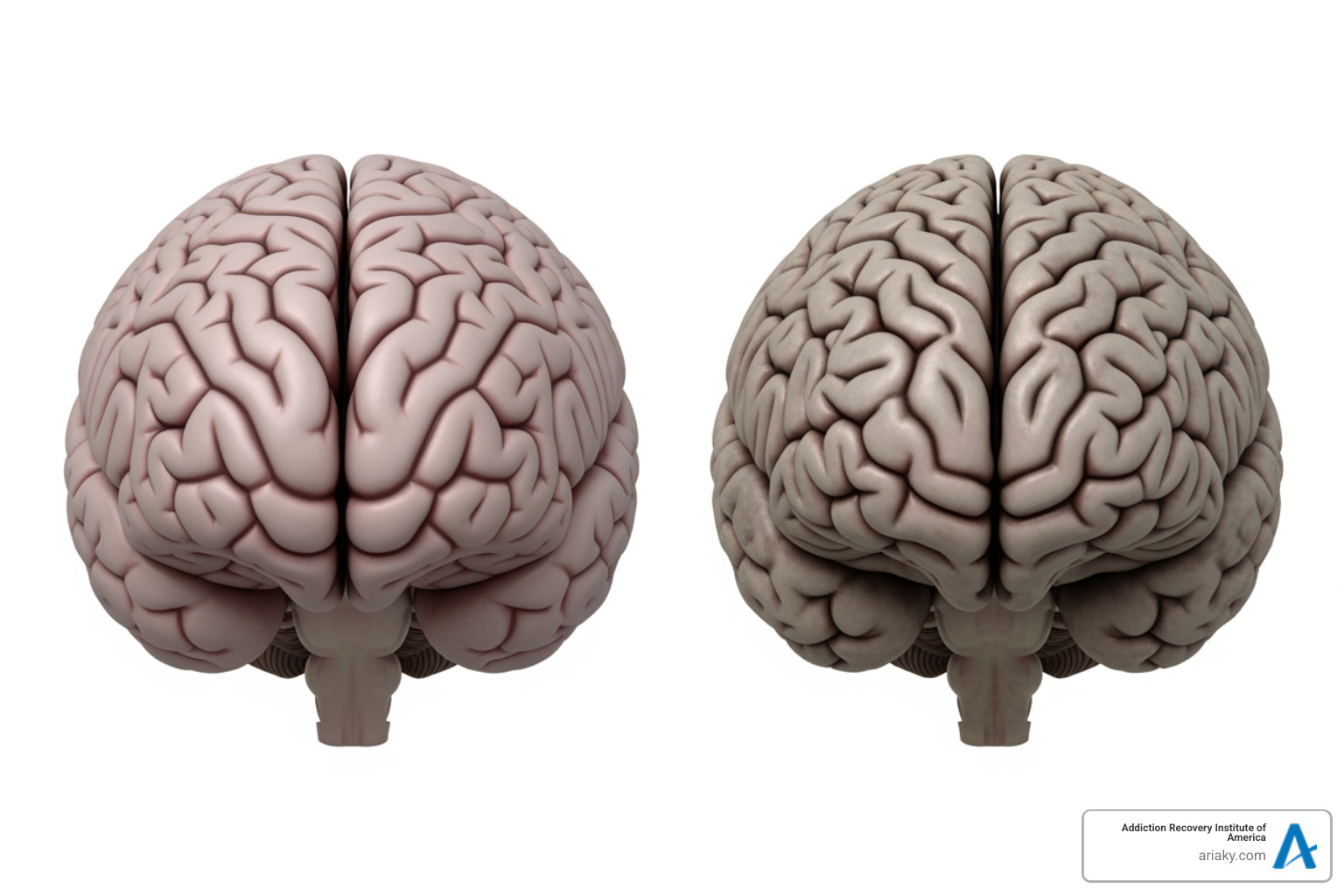
However, some changes can be long-lasting. The reduction in dopamine receptors can cause anhedonia (the inability to feel pleasure) that may persist for years. Studies have shown structural abnormalities in the brains of meth users, though many of these can improve with prolonged sobriety.
Significant recovery is absolutely possible. The key is consistent abstinence, active engagement in therapy, a healthy lifestyle, and a strong support system. Every day of sobriety is a day the brain gets to heal.
Conclusion: Begin Your Journey to a Healthier Future
You’ve taken an important step by learning about meth detox. Understanding the process—from the brain chemistry to the withdrawal timeline and symptoms—removes fear and gives you power.
We’ve covered why detoxing alone is risky and why medical supervision provides the best chance for success. Recovery isn’t a straight line, but with the right support, it is absolutely possible. At Addiction Recovery Institute of America, our accredited, AODE-certified programs are designed to support your unique journey. We offer comprehensive care across Kentucky—from medical detox through residential treatment, PHP, and IOP—to help you build a lasting foundation for sobriety.
The person you want to be is still there, waiting on the other side of this challenge. The brain can heal, relationships can be rebuilt, and life can feel good again. Hope for a drug-free life is a real possibility that thousands have achieved.
You’ve already shown courage by considering this path. Now take the next step.
Contact us today to learn about our medical detox center and find how we can support you or someone you love toward a healthier, happier future. Your recovery story starts here.
