

Navigating Addiction Recovery in Louisville
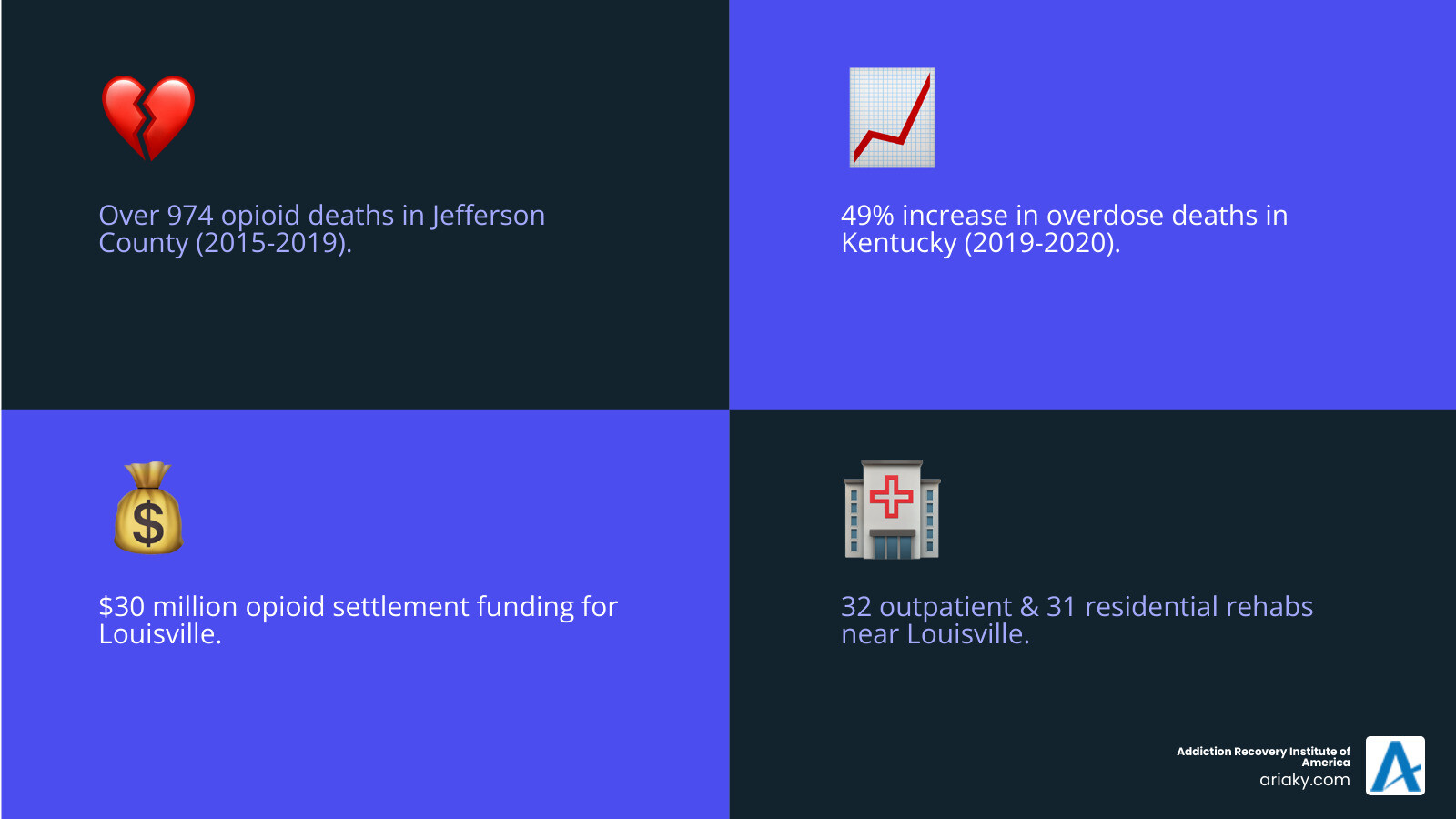
Rehabs in Louisville KY offer a lifeline for individuals and families struggling with substance use disorders. With over 32 outpatient programs and 31 residential facilities in the surrounding area, finding the right path to recovery starts with understanding your options.
Quick Guide to Louisville Rehab Options:
- Medical Detox – Supervised withdrawal management at 9 centers within 10 miles
- Residential Treatment – 24/7 inpatient care averaging 3.25 months
- Outpatient Programs – PHP and IOP options for flexible treatment
- Dual Diagnosis Care – Integrated mental health and addiction treatment
- Medication-Assisted Treatment – MAT programs using Suboxone, Vivitrol, and other FDA-approved medications
- Free/Low-Cost Options – State-funded programs, Medicaid acceptance, and sliding-scale fees
The need for addiction treatment in Louisville has never been more urgent. Between 2015 and 2019, over 974 people died from overdose in Jefferson County alone. In 2020, the county averaged 1.8 overdose deaths per day. But there’s hope on the horizon.
Louisville is receiving over $30 million from a national opioid settlement. These funds will expand treatment access, support transportation and housing for people in recovery, and increase overdose prevention programs across the city.
Despite this progress, barriers remain. In 2020, Kentucky ranked 51st in rehab availability per 100,000 people. About 30% of people who need help don’t receive it because they lack insurance or can’t afford treatment costs.
The good news? You have more options than ever before. Whether you need immediate detox services, intensive residential care, or flexible outpatient support, Louisville’s treatment landscape offers programs custom to your specific needs. Many facilities now accept Medicaid, offer sliding-scale fees, or provide financial assistance to remove cost barriers.
This guide will help you steer the full spectrum of addiction treatment available in Louisville. You’ll learn how to compare facilities, understand different treatment approaches, verify your insurance coverage, and find the specialized care that matches your situation.
Common rehabs in louisville ky vocab:
Understanding the Types of Addiction Treatment
When we talk about addiction recovery, it’s not a one-size-fits-all journey. There are various levels of care, each designed to meet individuals at different stages of their recovery path. Think of it as a continuum, where treatment intensity can be adjusted as your needs change. Our goal is always to provide personalized treatment that addresses your unique challenges and supports your lasting sobriety.

Medical Detox
The first crucial step for many on their journey to sobriety is medical detox. This process involves a supervised withdrawal from substances, ensuring your safety and comfort as your body rids itself of toxins. Withdrawal symptoms can range from uncomfortable to life-threatening, making professional medical supervision essential. During medical detox, healthcare professionals monitor your vital signs, administer medications to manage symptoms, and provide a supportive environment. It’s the critical first step that prepares you for deeper therapeutic work. In and around Louisville, we have access to numerous facilities offering this vital service, with roughly 9 withdrawal management programs within 10 miles.
For more detailed information, explore our guides on Detox Centers Louisville KY and Heroin Detox Louisville KY.
Residential/Inpatient Treatment
Once detox is complete, or if detox isn’t necessary, many individuals transition to residential or inpatient treatment. This level of care provides a 24/7 structured environment where you live at the facility for a period, typically averaging a few months. It’s an immersive experience designed to remove you from the triggers and stresses of your daily life, allowing you to focus entirely on healing. Here, you’ll engage in intensive therapy, group sessions, educational workshops, and develop a strong sense of community support with peers who understand your struggles. This immersive environment is key to building a solid foundation for long-term recovery. Louisville and its surrounding areas offer approximately 31 residential programs within a 50-mile radius.
Learn more about our dedicated inpatient options at ARIA Rehab Locations Louisville Rehab.
Outpatient Programs (PHP & IOP)
For those who require a more flexible treatment option, or as a step-down from residential care, outpatient programs are invaluable. These include Partial Hospitalization Programs (PHP) and Intensive Outpatient Programs (IOP).
- Partial Hospitalization Programs (PHP) offer a high level of structured care, similar to inpatient treatment, but allow you to return home in the evenings. It’s a full-day commitment to therapy and programming, providing intensive support while you maintain some connection to your home life.
- Intensive Outpatient Programs (IOP) provide fewer hours of treatment per week than PHP, offering even greater flexibility. This allows you to balance your recovery journey with work, school, or family responsibilities.
Both PHP and IOP are excellent for continuing the therapeutic work begun in residential settings or for individuals with strong support systems at home who don’t require 24/7 supervision. Louisville boasts roughly 32 outpatient programs within 10 miles, ensuring accessible options for many.
For a comprehensive overview of these flexible options, check out our Drug Treatment Louisville Complete Guide.
Aftercare and Sober Living
Recovery doesn’t end when formal treatment programs do. Aftercare and sober living are vital components of a successful, sustained recovery. Aftercare involves ongoing support, such as regular therapy sessions, support groups, and alumni programs, all focused on relapse prevention and maintaining sobriety.
Sober living environments, often called transitional housing or recovery residences, provide a safe, drug-and-alcohol-free place to live while you reintegrate into daily life. These supportive recovery environments offer structure, accountability, and a community of peers committed to sobriety, helping you practice the skills learned in treatment.
The Landscape of Rehabs in Louisville KY
Louisville’s commitment to addressing addiction is growing, with a diverse array of programs available to meet various needs. From intensive inpatient facilities to flexible outpatient options, the city’s treatment landscape is designed to offer hope and healing. We’ve seen a significant push to expand access, particularly with the influx of opioid settlement funds, which will boost treatment and prevention efforts.

With approximately 32 outpatient programs within 10 miles and 31 residential programs within 50 miles, the sheer number of options can feel overwhelming. However, this variety means you have a better chance of finding a program that truly fits your unique circumstances.
How to Compare Rehabs in Louisville KY
Choosing the right addiction treatment program is one of the most important decisions you’ll make. It’s not just about finding an open bed; it’s about finding the right fit for your personal journey. Here’s what we recommend considering when you compare rehabs in Louisville KY:
- Accreditation: Look for facilities with recognized accreditations such as CARF (Commission on Accreditation of Rehabilitation Facilities) or the Joint Commission. These indicate a commitment to high standards of care and ethical practices.
- Staff Credentials: Ensure the treatment team comprises licensed and experienced professionals, including doctors, therapists, counselors, and support staff. Their expertise is crucial for effective treatment.
- Evidence-Based Therapies: The most effective treatments are rooted in science. Look for programs that use evidence-based therapies like Cognitive Behavioral Therapy (CBT), Dialectical Behavior Therapy (DBT), Motivational Interviewing, and trauma-informed care.
- Individualized Treatment Plans: Addiction affects everyone differently. A good program will offer a personalized treatment plan custom to your specific history, needs, and co-occurring conditions, rather than a generic approach.
- Family Involvement: Addiction impacts the whole family. Programs that include family therapy and education can significantly improve outcomes by healing relationships and building a stronger support system.
- Continuum of Care: Consider whether the facility offers a full continuum of care, from detox to residential, outpatient, and aftercare support. This ensures a smooth transition between different levels of treatment.
For a more in-depth guide on making this critical choice, visit our Rehab Centers Louisville KY Complete Guide.
Specialized Programs Available
Addiction often comes with unique challenges, and specialized programs are designed to address these specific needs. When exploring rehabs in Louisville KY, you’ll find options custom to various demographics and co-occurring conditions:
- Dual Diagnosis Treatment: Many individuals struggling with addiction also have co-occurring mental health disorders like anxiety, depression, or PTSD. Integrated dual diagnosis programs treat both conditions simultaneously, recognizing their interconnectedness.
- Gender-Specific Programs: Some facilities offer programs exclusively for men or women. These environments can foster a sense of safety and openness, allowing participants to address gender-specific issues without the distractions or discomfort that might arise in mixed-gender settings.
- Veteran Support: Military personnel face unique challenges that can contribute to substance use. Specialized programs for veterans understand these experiences, often incorporating trauma-informed care and peer support specifically for military members.
- LGBTQ+ Friendly Care: Creating an inclusive and affirming environment is crucial for LGBTQ+ individuals, who may face specific stressors and discrimination that impact their mental health and substance use. LGBTQ+ friendly programs offer culturally competent care.
- Adolescent Programs: Young people require different approaches to treatment. Adolescent programs are designed with age-appropriate therapies, educational support, and family involvement to address the unique developmental needs of youth.
- Trauma-Informed Care: Recognizing that trauma often underlies addiction, many programs in Louisville offer trauma-informed approaches, helping individuals process past experiences in a safe and supportive way.
Finding a program that understands and caters to your specific background or concurrent conditions can significantly improve your chances of long-term recovery. For further information on custom treatment options, see our guide on Addiction Treatment Louisville KY.
Paying for Rehab: Costs and Financial Aid in Louisville
The cost of addiction treatment can be a significant concern for many. We understand that financial worries can deter individuals from seeking the help they desperately need. In fact, about 30% of people who need help don’t get it because they lack healthcare coverage or cannot afford the cost on their own. However, recovery is an investment in your life, and there are numerous ways to make it affordable.
Louisville’s commitment to combating the opioid crisis is evident in the over $30 million dollars it will receive from a national settlement with pharmaceutical companies. These funds are specifically earmarked to create desperately needed treatment and prevention efforts, including funding transportation and housing for people recovering from addictions. This means more resources are becoming available to alleviate the financial burden of treatment.
Insurance and Private Pay
The Mental Health Parity and Addiction Equity Act (MHPAEA) is a federal law that requires most health insurance plans to cover mental health and substance use disorder treatment at the same level as medical and surgical care. This means your insurance is likely to cover a significant portion of your addiction treatment costs.
- In-Network vs. Out-of-Network: Understanding whether a facility is “in-network” or “out-of-network” with your insurance provider is crucial. In-network providers typically result in lower out-of-pocket costs.
- Verifying Benefits: We always recommend contacting your insurance company directly or allowing the admissions team at a rehab facility to help you verify your benefits. They can clarify your coverage for different levels of care, deductibles, co-pays, and out-of-pocket maximums.
- Private Payment Options: If insurance coverage is limited or you prefer not to use it, many facilities offer private payment plans, financing options, or sliding-scale fees based on your income. Don’t hesitate to discuss these options with admissions counselors.
Free and Low-Cost Treatment Options
Cost should never be a barrier to getting help. Louisville offers several avenues for free or low-cost addiction treatment:
- State-Funded Facilities: Accredited low-cost or free drug rehabs in Louisville often receive government funding. These facilities provide essential services, including detox, inpatient, outpatient, and residential programs, to those who qualify.
- Medicaid Acceptance: Many rehabs in Louisville KY proudly accept Medicaid plans. If you are a Kentucky resident with Medicaid, this can significantly reduce or eliminate your treatment costs.
- Kentucky State Voucher Program: Some low-income Kentucky residents may qualify for a state voucher program that helps cover the costs of residential treatment for drug-related addictions. This program is designed to bridge the financial gap for those in need.
- Non-Profit Organizations: Several non-profit organizations and community-based support groups offer free or low-cost services, including counseling, peer support, and resource navigation. Organizations like NAMI Kentucky and Mental Health America of Kentucky provide valuable resources.
- SAMHSA National Helpline: For immediate, confidential help and referrals to treatment facilities, the SAMHSA National Helpline is available 24/7.
Key Treatment Methodologies
Effective addiction treatment relies on a combination of evidence-based practices and a holistic approach. We believe in treating the whole person – mind, body, and spirit – not just the addiction itself. This comprehensive strategy ensures that underlying issues are addressed, coping skills are developed, and a foundation for lasting recovery is built.
Dual Diagnosis: Treating Co-Occurring Disorders
It’s common for individuals with substance use disorders to also struggle with mental health conditions. This is known as a dual diagnosis or co-occurring disorders. Conditions like anxiety, depression, PTSD, and bipolar disorder can both contribute to and be exacerbated by substance use.
Integrated treatment is paramount in these cases. Instead of treating addiction and mental health separately, dual diagnosis programs address both conditions simultaneously. This approach recognizes that they are intertwined and affect each other, leading to more effective and sustainable recovery outcomes. Our goal is to help you manage both aspects of your health for a more stable and fulfilling life.
For a deeper dive into integrated care, explore our Louisville Drug Rehab Complete Guide.
The Role of Medication-Assisted Treatment (MAT)
Medication-Assisted Treatment (MAT) is an evidence-based approach that combines FDA-approved medications with counseling and behavioral therapies. It’s a powerful tool in the fight against addiction, particularly for opioid and alcohol use disorders.
MAT can significantly reduce cravings and manage uncomfortable withdrawal symptoms, making the recovery process more manageable and reducing the risk of relapse. Common medications used in MAT include:
- Suboxone (buprenorphine/naloxone): Helps reduce opioid cravings and withdrawal symptoms.
- Vivitrol (naltrexone): Blocks the euphoric effects of opioids and reduces alcohol cravings.
- Subutex (buprenorphine): Used in some cases, particularly during pregnancy, to manage opioid dependence.
When clinically appropriate, MAT is an integral part of a comprehensive treatment plan, supporting long-term recovery by stabilizing brain chemistry and allowing individuals to engage more fully in therapy. Many rehabs in Louisville KY incorporate MAT into their programs.
Frequently Asked Questions About Louisville Rehabs
We understand you likely have many questions as you explore your options for rehabs in Louisville KY. Here, we address some of the most common inquiries to help you feel more informed and confident in your choices.
How do I determine the right program for my needs?
Finding the “right” program is highly individual. It’s about finding what best suits your unique situation, history, and goals. We recommend starting with a professional assessment from a clinician experienced in substance use disorders. They can help evaluate your:
- Substance Use History: The type, duration, and severity of your substance use.
- Co-Occurring Disorders: Any mental health conditions that may be present.
- Physical Health: Overall health status and any medical needs.
- Support System: The strength of your family and social support.
- Personal Preferences: Your comfort with different environments, therapy styles, and program structures.
When you contact facilities, we encourage you to ask specific questions to ensure a good fit. Here’s a list of questions to get you started:
- What types of treatment therapies do you offer (e.g., CBT, DBT, trauma therapy)?
- Is medication-assisted treatment (MAT) available, and what long-term linkage do you provide?
- What are the qualifications and experience of your staff, particularly for co-occurring mental health issues?
- How is treatment custom to individual needs, or is it a standardized program?
- What are the program requirements and daily schedule?
- How is family involved in the treatment process, if at all?
- What are the patient rights and responsibilities within your program?
- What aftercare and alumni support services are available?
What is the typical admission process for rehabs in Louisville KY?
While each facility may have slight variations, the general admission process for rehabs in Louisville KY usually follows these steps:
- Initial Call: You or a loved one will typically make an initial phone call to the admissions department. This is a chance to ask preliminary questions and share basic information about your situation.
- Insurance Verification: The admissions team will work with you to verify your insurance benefits. Many facilities offer free insurance verification to determine your coverage and potential out-of-pocket costs.
- Clinical Assessment: A comprehensive clinical assessment will be conducted by a qualified professional. This might be done over the phone, in person, or via telehealth. This assessment helps determine the most appropriate level of care and informs your personalized treatment plan.
- Developing a Treatment Plan: Based on your assessment, a treatment plan will be developed, outlining the therapies, services, and goals for your recovery.
- Admission and Arrival: Once the plan is in place and logistics are handled, you will be admitted to the facility. Many facilities, including our own, offer 24/7 admissions and may even provide transportation to ease your arrival.
Some facilities even offer same-day admissions, especially for detox, recognizing the urgency of getting help when you’re ready.
What are the success rates for addiction treatment?
“Success” in addiction treatment is a nuanced concept, as addiction is recognized as a chronic, relapsing brain disease, much like diabetes or asthma. Just as these conditions require ongoing management, so does addiction.
- Defining Success: Success is often measured by sustained sobriety, improved health, better relationships, employment, and overall quality of life. Many individuals achieve long-term recovery and lead fulfilling lives.
- Chronic Disease Model: Understanding addiction as a chronic disease means that relapse can be a part of the recovery journey, not a sign of failure. It’s an opportunity to learn, adjust the treatment plan, and reinforce coping strategies.
- Long-Term Recovery Metrics: Research consistently shows that longer engagement in treatment and aftercare significantly improves outcomes. Programs that emphasize long-term relationship engagement, like peer coaching and alumni services, have scientifically proven effectiveness in achieving lifelong sobriety.
- Importance of Aftercare: The journey doesn’t end after primary treatment. The continuum of care, including aftercare, sober living, and ongoing support groups, is crucial for maintaining gains and preventing relapse.
While specific “success rates” can vary widely between facilities and depend on how success is defined, the overwhelming evidence supports that addiction treatment works, and recovery is absolutely possible.
Your Journey to Recovery Starts Today
Taking the first step towards recovery can feel daunting, but please know that you are not alone, and recovery is absolutely within reach. We believe in the inherent strength of individuals and the power of a supportive community to overcome addiction.
If you or a loved one are struggling, don’t wait. Reach out, ask questions, and explore the many excellent rehabs in Louisville KY that are ready to help you find your path to healing and lasting sobriety. Your journey to a healthier, happier life starts today.
Explore our comprehensive detox options at ARIA Detox Locations Louisville. For a broader view of our commitment to recovery, you can also find comprehensive care at our other rehab centers in Kentucky.