

Why Understanding Your Alcohol Rehab Options Matters
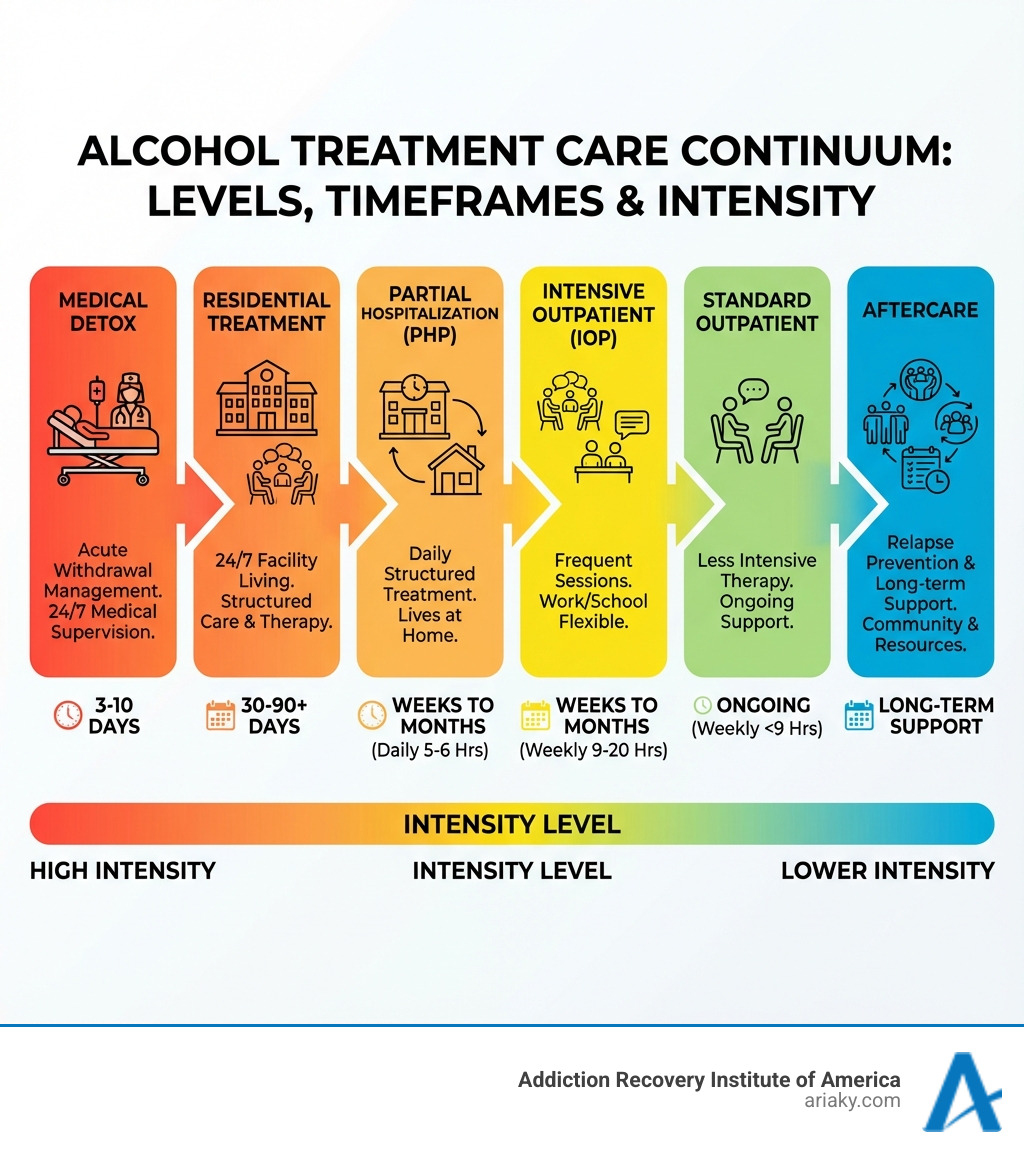
Alcohol rehab options encompass a range of treatment levels and approaches designed to help individuals overcome alcohol use disorder (AUD). Here’s what you need to know:
Main Alcohol Rehab Options:
- Residential (Inpatient) Treatment – 24/7 medical care in a facility for severe AUD
- Partial Hospitalization (PHP) – 5-6 hours daily treatment while living at home
- Intensive Outpatient (IOP) – 9-20 hours weekly therapy with flexibility for work/school
- Standard Outpatient – Less than 9 hours weekly for ongoing support
Core Treatment Components:
- Medical detoxification with supervision
- Behavioral therapies (CBT, DBT, individual, group, family)
- Medications to reduce cravings (Naltrexone, Acamprosate, Disulfiram)
- Aftercare and relapse prevention planning
If you’re struggling with alcohol, you’re not alone. Approximately 14.8 million people aged 12 or older had an alcohol use disorder in 2018. That’s about 1 in 19 people.
Yet here’s the challenging part: only around 6.5% of adults with AUD actually seek treatment.
Many people think their only options are Alcoholics Anonymous or a 30-day residential rehab. But today’s alcohol treatment landscape offers much more variety than you might expect. From intensive inpatient care to flexible telehealth sessions, from FDA-approved medications to evidence-based therapies, the path to recovery has many entry points.
The good news? Treatment works. Research shows that about one-third of people who complete alcohol addiction treatment have no further symptoms and fewer alcohol-related problems one year later.
Taking the first step can feel overwhelming. You might be wondering: Do I really need treatment? What level of care is right for me? How will I pay for it? Can I keep my job?
This guide will walk you through your options clearly and simply. We’ll explain the different levels of care, what happens in treatment, how medications can help, and how to steer the financial side. Whether you’re seeking help for yourself or a loved one, understanding your choices is the first step toward lasting recovery.
Key alcohol rehab options vocabulary:
Recognizing the Need for Treatment
Before diving into the various alcohol rehab options, it’s crucial to understand why treatment is necessary and how to recognize the signs of a problem. Alcohol Use Disorder (AUD) is a chronic medical condition characterized by an impaired ability to stop or control alcohol use despite adverse social, occupational, or health consequences. It’s not a moral failing, but a health issue that can be effectively treated.
Signs of an Alcohol Problem
How do you know if someone, or even you, might need alcohol rehab? The Diagnostic and Statistical Manual of Mental Disorders, Fifth Edition (DSM-5), outlines 11 criteria for AUD. If two or more of these symptoms have occurred in the past year, it indicates an alcohol use disorder. These signs include:
- Drinking more or longer than intended.
- Wanting to cut down or stop drinking but being unable to.
- Spending a lot of time drinking or recovering from drinking.
- Experiencing a strong craving for alcohol.
- Alcohol use interfering with responsibilities at home, work, or school.
- Continuing to drink despite it causing problems with family or friends.
- Giving up or cutting back on activities because of drinking.
- Getting into situations while drinking that increase the risk of harm (e.g., driving, swimming).
- Continuing to drink despite it making a health problem worse or causing anxiety or depression.
- Needing to drink more alcohol to get the same effect (tolerance).
- Experiencing withdrawal symptoms when the effects of alcohol wear off.
If these sound familiar, it’s a strong indicator that professional help is needed. The National Institute on Alcohol Abuse and Alcoholism (NIAAA) provides comprehensive information on AUD and its treatment. We understand that recognizing these signs can be difficult, but it’s the vital first step toward recovery.
How Does Alcohol Affect the Body, and Why Is Treatment Important?
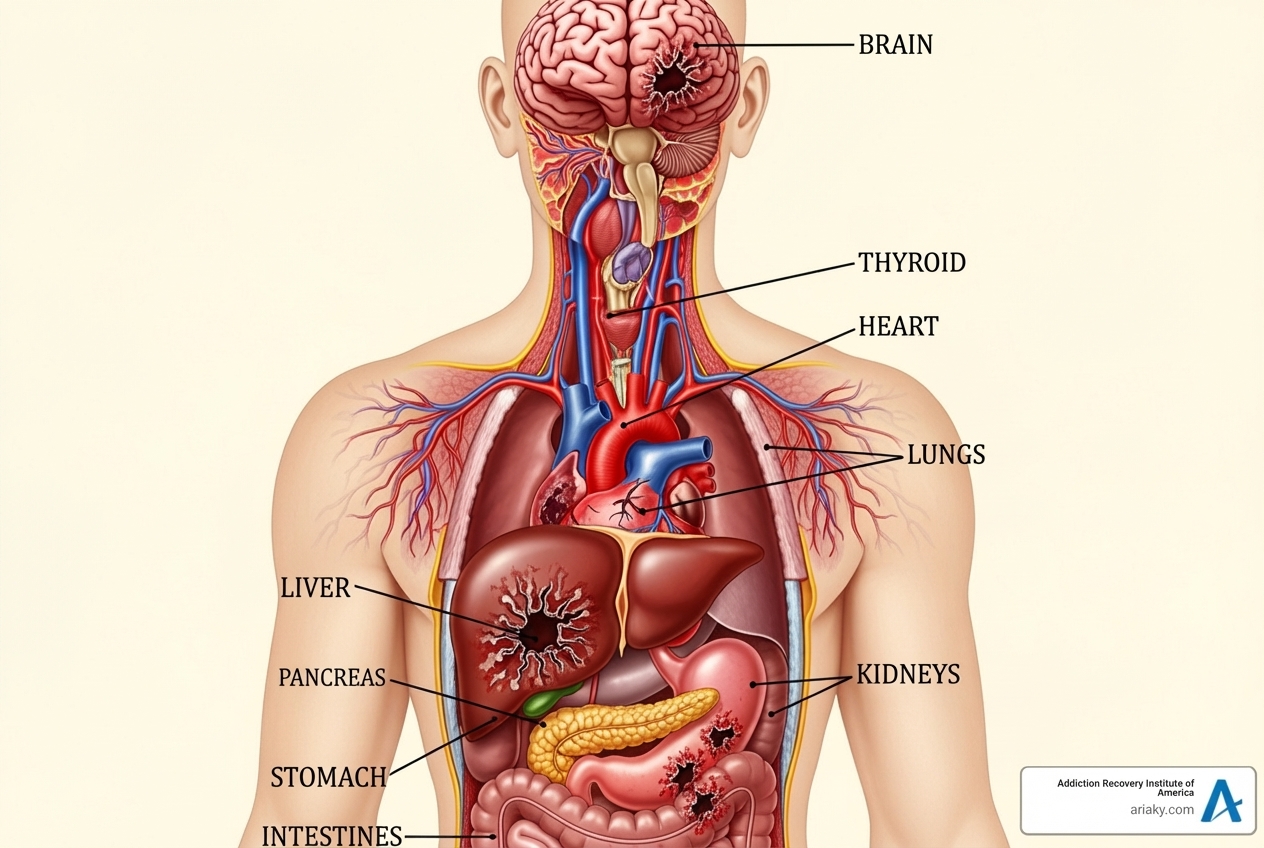
Alcohol’s impact on the body is profound and widespread, affecting nearly every organ system. Prolonged and excessive alcohol use can lead to:
- Brain Damage: Alcohol is a central nervous system depressant, impairing judgment, coordination, and memory. Chronic use can lead to brain shrinkage, cognitive deficits, and increased risk of dementia.
- Liver Disease: The liver processes alcohol, and heavy drinking can cause fatty liver, alcoholic hepatitis, and cirrhosis, which is irreversible scarring that can lead to liver failure.
- Heart Health Issues: Alcohol can contribute to high blood pressure, cardiomyopathy (weakened heart muscle), and an increased risk of stroke and irregular heart rhythms.
- Pancreatitis: Inflammation of the pancreas, a gland vital for digestion and blood sugar regulation, can be triggered by heavy alcohol use.
- Gastrointestinal Problems: Alcohol irritates the digestive tract, leading to gastritis, ulcers, and nutrient malabsorption.
- Weakened Immune System: Chronic alcohol abuse can suppress the immune system, making the body more vulnerable to infections.
Given these serious health consequences, seeking treatment for AUD is not just about stopping drinking; it’s about protecting your health and reclaiming your life. Many of these conditions can improve significantly with abstinence. For more details on what happens to your body when you stop drinking, explore our guide on What Happens After Quitting Alcohol.
Why Medical Detox is the Critical First Step
For many individuals, the first and most critical step in an alcohol rehab options journey is medical detoxification. When someone with physical dependence stops drinking, their body can react severely, leading to alcohol withdrawal symptoms. These symptoms can range from mild to life-threatening.
Common symptoms of alcohol withdrawal include:
- Nausea and vomiting
- Shakiness and tremors
- Restlessness and anxiety
- Increased heart rate and blood pressure
- Sweating
- Headaches
- Insomnia
In severe cases, withdrawal can escalate to hallucinations, seizures, and a dangerous condition known as Delirium Tremens (DTs). DTs can last from 24 hours to five days and, if untreated, can be fatal due to complications like cardiac arrest. This is why attempting to quit “cold turkey” without medical supervision is extremely dangerous.
Medical detox provides a safe and controlled environment where healthcare professionals can monitor your vital signs and administer medications, such as benzodiazepines, to ease withdrawal symptoms and prevent serious complications. Benzodiazepines work by calming the overactive nervous system, which is in overdrive during alcohol withdrawal. While effective for detox, these medications are typically used only for a short period due to their own addictive potential. Our Alcohol Detox Clinics in Kentucky offer medically supervised detox to ensure your safety and comfort during this challenging phase. You can learn more about what to expect by reviewing our Alcohol Withdrawal Timeline.
Addressing Co-Occurring Mental Health Issues
It’s a common misconception that addiction exists in a vacuum. In reality, many individuals struggling with AUD also contend with co-occurring mental health issues, often referred to as a “dual diagnosis.” Conditions like depression, anxiety disorders, and trauma-related disorders are frequently intertwined with alcohol misuse. Studies show that people with AUD are more likely to suffer from major depression or anxiety over their lifetime.
Alcohol might initially seem like a way to self-medicate these underlying mental health challenges, but it ultimately exacerbates them, creating a vicious cycle. For effective and lasting recovery, it’s vital that both the AUD and any co-occurring mental health conditions are treated simultaneously through an integrated treatment approach.
This integrated care typically begins with a thorough psychological evaluation to accurately diagnose all conditions present. Our programs, including our Trauma Related Addiction Program KY, are designed to address the complex interplay between addiction and mental health, ensuring a holistic path to healing.
Exploring the Core Alcohol Rehab Options
Once medical detox is complete, or if detox isn’t necessary, the next step is to explore the various alcohol rehab options available for ongoing treatment. There’s no one-size-fits-all solution for AUD. The best approach is highly individualized, based on a comprehensive assessment of your alcohol use patterns, dependence level, mental and physical health, previous treatment attempts, and personal circumstances. This assessment helps us determine the most appropriate level of care for your unique needs, as outlined in our Addiction Treatment Options Complete Guide.

The American Society of Addiction Medicine (ASAM) defines four basic levels of care for alcohol treatment, ranging from the most intensive to the least:
Level 1: Residential (Inpatient) Treatment
Residential treatment, often referred to as inpatient rehab, represents the highest level of structured care outside of a hospital setting. It provides a safe, substance-free living environment with 24/7 medical and clinical supervision. This option is ideal for individuals with severe AUD, those who have not succeeded in less intensive programs, or those with significant co-occurring mental or physical health issues that require constant monitoring.
In our Residential Treatment Program KY, you’ll find a highly structured daily schedule that includes individual and group therapy, educational sessions, and recreational activities. This immersive environment allows you to focus entirely on your recovery, away from the triggers and stressors of daily life. It’s often considered the “best first option” for individuals starting on their sobriety journey, especially if they require detoxification or have experienced relapse after outpatient programs. To understand if this intensive approach is right for you, learn more about Inpatient vs Outpatient care.
Level 2: Partial Hospitalization Programs (PHP)
Partial Hospitalization Programs (PHP) offer a high level of clinical care, similar in intensity to residential treatment, but with the flexibility of returning home each evening. This “day treatment” model typically involves 5-6 hours of therapy and structured activities daily, five days a week.
PHP is an excellent step-down option for those transitioning from residential care, or for individuals who need intensive support but have a stable and supportive home environment. It allows you to practice coping skills in real-world settings while still benefiting from a robust treatment structure. Our Partial Hospitalization Program (PHP) Kentucky provides comprehensive therapeutic services, bridging the gap between inpatient and outpatient care. For a deeper dive into this treatment model, check out What Is PHP Treatment.
Level 3: Intensive Outpatient Programs (IOP)
Intensive Outpatient Programs (IOP) provide a flexible yet structured treatment option, allowing individuals to continue living at home, attending work, or going to school while receiving significant therapeutic support. IOP typically involves 9-20 hours of therapy per week, spread across several days.
This level of care is suitable for individuals who have completed higher levels of care (like residential or PHP) and need ongoing support, or for those with less severe AUD who have a strong support system. IOP focuses on relapse prevention, developing coping skills, and reintegrating into daily life with newfound sobriety. Our Intensive Outpatient Program (IOP) Kentucky is designed to support long-term recovery while maintaining your daily commitments. To understand more about this approach, read What Is Outpatient Addiction Treatment.
Level 4: Standard Outpatient Programs
Standard outpatient programs represent the lowest intensity of professional care, offering ongoing support and relapse prevention strategies. These programs typically involve fewer than 9 hours of therapy per week, often consisting of one or two individual or group counseling sessions.
This level is ideal for individuals who have achieved stable sobriety and need continued maintenance support, or for those with very mild AUD who are highly motivated to change. It helps reinforce coping mechanisms, address emerging challenges, and maintain connection with a supportive recovery community. Our Outpatient Drug Rehab services provide this crucial long-term support.
Key Components of Professional Alcohol Treatment
Regardless of the level of care, effective alcohol rehab options share several core components. These elements are rooted in evidence-based practices, meaning they are backed by scientific research demonstrating their effectiveness. Our approach at Addiction Recovery Institute of America (ARIA Kentucky) emphasizes holistic care, treating the whole person—mind, body, and spirit—not just the addiction. Explore more about our therapeutic offerings through Addiction Therapy Kentucky.
Behavioral Therapies and Counseling
Behavioral therapies are the cornerstone of most alcohol addiction treatment programs. They help individuals modify maladaptive behaviors and attitudes related to alcohol use, develop healthy coping mechanisms, and steer triggers. Common behavioral therapies include:
- Cognitive Behavioral Therapy (CBT): This therapy helps identify and change negative thought patterns and behaviors that contribute to alcohol use. It teaches skills to handle triggers, manage stress, and prevent relapse.
- Dialectical Behavior Therapy (DBT): Often used for individuals with co-occurring mental health conditions, DBT focuses on emotional regulation, distress tolerance, interpersonal effectiveness, and mindfulness.
- Individual Therapy: One-on-one sessions with a therapist provide a private space to explore personal issues, develop coping strategies, and set recovery goals.
- Group Therapy: Offers peer support, reduces feelings of isolation, and provides a platform to share experiences and learn from others in recovery.
- Family Involvement: Alcoholism affects the entire family unit. Family therapy helps to heal relationships, improve communication, and build a supportive home environment. Strong family support through family therapy has been shown to increase the chances of maintaining abstinence. Our Family Therapy Program KY is designed to involve loved ones in the recovery process.
We use therapies like Cognitive Behavioral Therapy Program to equip you with the tools for lasting sobriety.
Medications for Alcohol Use Disorder (AUD)
For many, medication can be a powerful tool in conjunction with behavioral therapies. There are several FDA-approved medications that can help reduce cravings and prevent relapse, and they are non-addictive. It’s a common and understandable concern that taking medication might be “trading one addiction for another,” but this is not the case with AUD medications. They are designed to manage a chronic disorder, much like medications for diabetes or asthma.
The main medications used include:
- Naltrexone (Oral or Injectable Vivitrol): This medication works by blocking the opioid receptors in the brain that are involved in the pleasurable effects of alcohol. By reducing the “high” from drinking, it helps to curb cravings and reduce the likelihood of relapse. Vivitrol is an injectable form given once a month, which can be beneficial for adherence.
- Acamprosate: This medication helps to restore the brain’s natural balance of neurotransmitters that have been disrupted by chronic alcohol use. It primarily targets the discomfort and cravings associated with prolonged abstinence.
- Disulfiram: This medication works by creating an unpleasant physical reaction if alcohol is consumed. When mixed with alcohol, it causes symptoms like nausea, vomiting, flushing, and headache, acting as a strong deterrent to drinking.
Your clinical team will determine which medication, if any, is appropriate for your individual needs. For more detailed information, the NIAAA provides an excellent overview of medications for AUD.
Diverse and Modern Alcohol Rehab Options
Beyond traditional in-person programs, modern advancements have expanded the accessibility and flexibility of alcohol rehab options, especially for lower-intensity outpatient care. These alternatives integrate technology and personalized care to meet diverse needs:
- Telehealth Services: Through phone or video sessions, individuals can access therapy and medical consultations from the comfort of their homes. This is particularly beneficial for those in rural areas, with mobility issues, or who prefer the privacy and convenience of remote care. Many insurance companies now cover telehealth for alcohol treatment.
- Online Therapy: Similar to telehealth, online platforms offer structured therapeutic interventions and support groups.
- eHealth Tools: These include computer-based Cognitive Behavioral Therapy (CBT) programs, digital self-help applications, and mobile apps designed for relapse prevention. These tools can provide support and guidance between in-person sessions.
- Mutual Support Groups: While not professional treatment, these groups are invaluable for ongoing recovery. Options include:
- Alcoholics Anonymous (AA)
- SMART Recovery®
- LifeRing
- Women for Sobriety
- Al-Anon (for family and friends)
The key is to try different groups to find one that resonates with you.
Here are some modern alternatives for lower-intensity outpatient care:
- Do-it-yourself – build a custom care team: For those with insurance or other means, you can assemble your own team of therapists and doctors with addiction specialties to work alongside your primary care provider. This approach can mirror the “active ingredients” of the best specialty programs.
- Telehealth—phone or video sessions: Offers flexible and private access to professional support.
- eHealth options—online or mobile: Provides tools like computer-based CBT, digital self-help programs, and mobile relapse prevention tools to support your recovery journey.
Navigating Treatment Logistics and Aftercare
Finding the right treatment is a significant step, but navigating the logistics and planning for long-term recovery are equally important. We’re here to help you through every phase of this journey.
When searching for quality alcohol rehab options, look for programs that are evidence-based, tailor treatment to individual needs, and have qualified staff. Tools like the NIAAA Alcohol Treatment Navigator can help you search for trusted providers. Additionally, accreditation from organizations like CARF (Commission on Accreditation of Rehabilitation Facilities) signifies that a facility meets high standards of quality and care. The qualifications of the clinical team—including doctors, therapists, and counselors—also play a crucial role in the effectiveness of the treatment.
How to Pay for Alcohol Rehab
The cost of alcohol rehab can vary significantly, and it’s a common concern that can deter people from seeking help. However, it’s a misconception that effective recovery always comes with a hefty price tag. Many affordable options exist, and we believe recovery should be accessible to everyone. The cost is influenced by several factors:
- Program Type and Intensity: Residential programs are typically more expensive than outpatient options due to the 24/7 care, accommodation, and amenities.
- Duration of Stay: Longer programs naturally incur higher costs.
- Services and Amenities: Facilities offering luxury amenities, a wider range of alternative therapies, or more individualized attention may have higher fees.
- Staff Qualifications: Programs with highly specialized and experienced clinical teams may have different pricing structures.
- Location: Costs can vary by region.
We encourage you to explore our guide on Paying for Treatment for more detailed information.
In the U.S., options include:
- Private Funding: This involves paying out-of-pocket or utilizing private health insurance.
- Publicly Funded Programs: State-funded programs and non-profit centers often offer free or low-cost treatment, utilizing government resources or grants. These may have waiting lists or limited availability, but they provide essential services like detoxification, counseling, and therapy.
Using Insurance for Treatment
Many people are pleasantly surprised to learn that their health insurance can cover a substantial portion of alcohol addiction treatment costs. Thanks to mental health parity laws and the Affordable Care Act, most major insurance providers are required to offer coverage for substance abuse treatment.
However, coverage can vary widely depending on your specific plan (e.g., PPO, HMO) and whether the treatment facility is in-network or out-of-network. It’s always best to:
- Verify Your Benefits: Contact your insurance provider directly to understand what services are covered, including medical detox, inpatient rehab, PHP, and IOP. Ask about deductibles, co-pays, and out-of-pocket maximums.
- In-Network vs. Out-of-Network: In-network providers typically result in lower costs for you. If a preferred facility is out-of-network, inquire about any out-of-network benefits your plan might offer.
We work with a variety of insurance providers, including Aetna Insurance and Blue Cross Blue Shield. Our admissions team can assist you in verifying your insurance benefits to maximize your coverage.
The Importance of Aftercare for Lasting Sobriety
Completing a primary treatment program is a monumental achievement, but the journey to sobriety doesn’t end there. Aftercare is a critical component for sustained, long-term recovery. It provides ongoing support and resources to help individuals steer the challenges and temptations that arise post-rehab. In fact, according to SAMHSA, 84% of treatment facilities offer aftercare services.
An effective aftercare plan typically includes:
- Relapse Prevention Planning: Identifying triggers and developing strategies to cope with them.
- Continued Therapy: Regular individual or group counseling sessions to reinforce learned skills and address new issues.
- Mutual Support Groups: Participation in groups like AA or SMART Recovery for peer support and accountability.
- Alumni Programs: Many rehab facilities offer alumni networks that provide continued connection, events, and support from others who have completed the program.
- Sober Living Homes: For some, transitioning to a sober living environment provides a structured, substance-free residence that bridges the gap between intensive treatment and full independence.
Aftercare is all about building a robust support system and a fulfilling life in recovery. It’s an essential part of the Continuum of Care and integral to a successful Addiction Recovery Journey Ultimate Guide.
Conclusion
Starting on the journey to sobriety is one of the most courageous and life-altering decisions you can make. As we’ve explored, the landscape of alcohol rehab options is rich and diverse, offering hope and custom solutions for everyone. From medically supervised detox to intensive residential care, flexible outpatient programs, and crucial aftercare, there are numerous pathways to lasting recovery.
AUD is a treatable medical condition, and treatment works. Research consistently shows that a significant number of individuals achieve sustained sobriety and a better quality of life after engaging in professional treatment. Don’t let the stigma or perceived cost deter you—affordable and effective options are available.
Key takeaways for choosing an alcohol rehab option:
- Acknowledge the problem and seek a professional assessment to determine the right level of care.
- Understand the continuum of care, from medical detox and residential treatment to PHP, IOP, and standard outpatient programs.
- Accept evidence-based treatments, including various behavioral therapies and, if appropriate, FDA-approved medications.
- Address co-occurring mental health issues simultaneously for comprehensive healing.
- Plan for aftercare to build a strong support system and sustain long-term recovery.
- Explore financial options and verify your insurance coverage to make treatment accessible.
At Addiction Recovery Institute of America (ARIA Kentucky), we are dedicated to providing compassionate, individualized, and effective treatment. We’re here to guide you or your loved one through every step of this transformative process.
Start your recovery with a comprehensive alcohol detox program in KY.