
Why Understanding Heroin Detox Matters for Your Recovery Journey
Heroine detox (correctly spelled as heroin detox) is the medically supervised process of safely removing heroin from your body while managing withdrawal symptoms. If you or someone you love is struggling with heroin addiction, understanding what detox involves is the critical first step toward lasting recovery.
Quick Answer: What You Need to Know About Heroin Detox
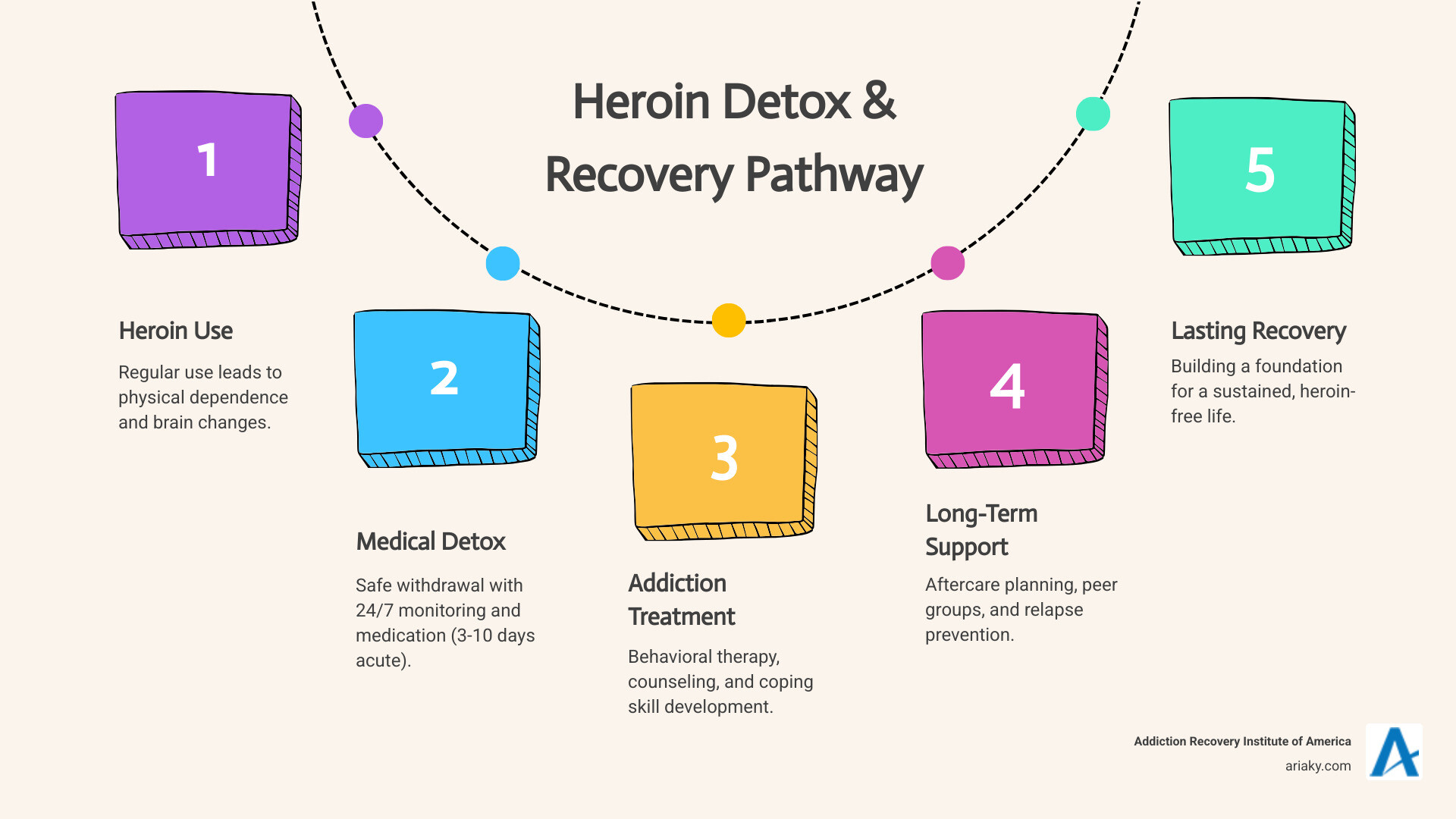
- Timeline: Withdrawal symptoms typically begin 6-12 hours after the last dose, peak within 1-3 days, and acute symptoms last 3-10 days on average
- Safety: Medically supervised detox is essential—attempting detox alone carries serious risks including dehydration, relapse, and fatal overdose
- Treatment: FDA-approved medications combined with 24/7 medical monitoring ease symptoms and cravings
- Not a Cure: Detox addresses physical dependence but must be followed by comprehensive addiction treatment for lasting recovery
- Next Steps: Professional treatment programs offer a full continuum of care from detox through outpatient support
Heroin addiction affects approximately 1.1 million people aged 12 and older in the United States. In 2020 alone, an estimated 902,000 people used heroin. These numbers reflect a devastating public health crisis that touches families from all walks of life.
The grip of heroin is both physical and psychological. When you use heroin regularly, your brain adapts to its presence. It stops producing natural opioids and rewires its reward system around the drug. This creates a powerful physical dependence that makes quitting feel impossible without help.
Detoxification is your body’s process of clearing heroin and its toxins. It’s the essential first step that breaks physical dependency and prepares you for the real work of recovery. But detox alone isn’t enough—it’s the foundation that must be followed by therapy, counseling, and ongoing support.
Many people worry about withdrawal symptoms or wonder if they can detox safely at home. The truth is that heroin withdrawal, while rarely fatal on its own, can lead to dangerous complications. Severe dehydration, aspiration pneumonia, and the overwhelming risk of fatal overdose if you relapse make professional medical supervision not just helpful but essential.
The good news? Recovery is absolutely possible. With the right medical support, evidence-based treatments, and comprehensive care, thousands of people successfully overcome heroin addiction every year. This guide will walk you through everything you need to know about heroin detox—from what happens in your body during withdrawal to why professional treatment dramatically increases your chances of long-term success.
Heroine detox vocab to learn:
Understanding Heroin Withdrawal: Symptoms and Timeline
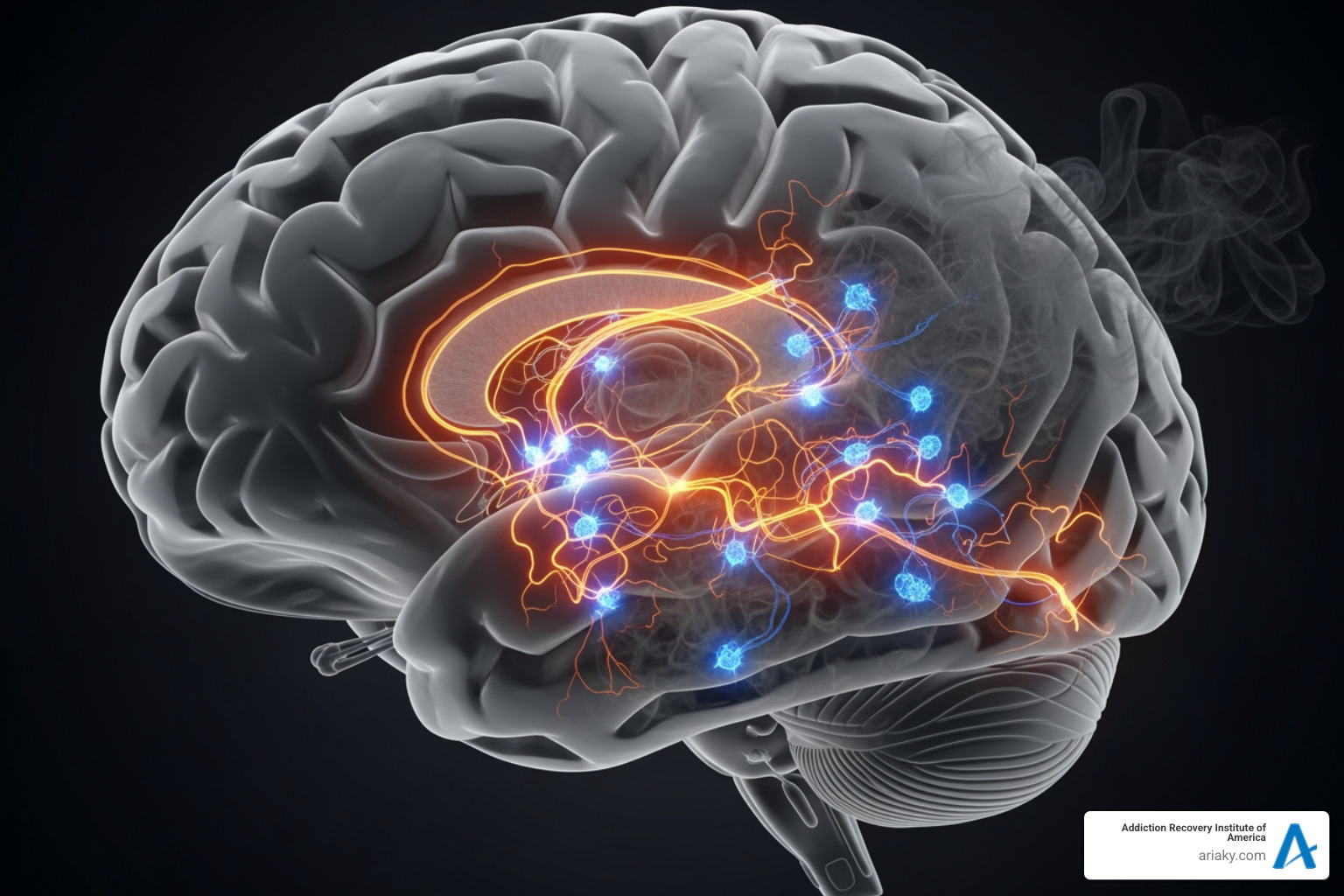
Heroin withdrawal is the complex process that occurs when someone with a physical dependence stops or reduces their use. This happens because heroin, an opioid, binds to the brain’s opioid receptors, creating intense euphoria. With regular use, the brain adapts by reducing its own natural opioids (endorphins) and comes to rely on the drug. When heroin is removed, the body and brain are thrown into an imbalanced state, triggering a cascade of painful physical and psychological symptoms as the system tries to re-stabilize.
The Science Behind Withdrawal Symptoms
This process involves both tolerance (needing more of the drug for the same effect) and dependence (the body reacting negatively when the drug is removed). When heroin is absent, systems it suppressed (like pain perception) become overactive, while overstimulated systems (like the reward pathway) crash. This rebound causes the physical and psychological symptoms of withdrawal.
Early physical symptoms can include:
- Restlessness and agitation
- Muscle and bone pain
- Insomnia
- Runny nose and watery eyes
- Excessive yawning
- Sweating and goosebumps (“cold turkey”)
- Nausea, vomiting, and diarrhea
- Leg tremors
Psychological symptoms often include:
- Intense anxiety and panic attacks
- Depression and dysphoria
- Irritability and mood swings
- Overwhelming drug cravings
- Difficulty concentrating
These symptoms are the body’s attempt to find balance without the drug. For more detailed information, you can explore our resources on opiates.
The Heroin Withdrawal Timeline: What to Expect
The timeline for heroin withdrawal varies, but a general progression is common:
-
6 to 12 Hours After Last Dose: Initial symptoms like restlessness, muscle aches, and anxiety begin. They are usually mild at first but intensify quickly.
-
Days 1-3 (Peak Symptoms): The first 24 to 72 hours are the most challenging as symptoms peak. This includes severe pain, nausea, vomiting, diarrhea, and heightened anxiety. Sleep is nearly impossible, and cravings are extremely strong.
-
Days 3-10 (Acute Phase): Physical symptoms gradually start to subside, though discomfort remains. Psychological symptoms like depression and cravings can persist. The acute phase typically lasts 3 to 10 days.
This timeline is a general guide. The severity and duration are influenced by factors like the amount and duration of use, overall health, and use of other substances. For comparison, see how other substances differ in our guide to the alcohol withdrawal timeline.
Protracted Withdrawal Symptoms (PAWS)
After acute withdrawal, some people experience Protracted Acute Withdrawal Syndrome (PAWS), where psychological and emotional symptoms linger for weeks, months, or even longer. These symptoms result from the brain’s slow healing process as it restores its natural chemical balance.
Common PAWS symptoms include:
- Anxiety and depression
- Sleep disturbances (insomnia, nightmares)
- Chronic fatigue
- Inability to feel pleasure (anhedonia)
- Irritability and mood swings
- Memory and concentration problems
- Intense cravings, often triggered by stress
The duration of PAWS varies, sometimes lasting a year or more. Managing these symptoms requires ongoing therapy and lifestyle adjustments to support brain recovery and prevent relapse.
The Dangers of Detoxing Alone vs. The Safety of Medical Supervision
When facing heroin detox, the thought of doing it alone can seem appealing. However, attempting to detox from heroin without professional medical supervision carries significant, life-threatening risks. The severe discomfort, high failure rate, and potential for fatal overdose upon relapse make medically supervised detox an essential step for safety and success.

Can Heroin Withdrawal Be Fatal?
While heroin withdrawal itself is rarely fatal, its complications can be life-threatening if not properly managed. Here’s why:
- Dehydration and Electrolyte Imbalance: Severe vomiting and diarrhea can lead to dangerous dehydration and electrolyte imbalances, which can cause kidney or heart failure without medical care.
- Aspiration Pneumonia: During severe vomiting, aspirating stomach contents into the lungs can cause aspiration pneumonia, a serious and potentially fatal lung infection.
- Heart Complications: Withdrawal can cause liftd blood pressure and irregular heartbeats, increasing the risk of cardiac events, especially in those with pre-existing heart conditions.
- Suicide Risk: The psychological distress during withdrawal, including severe depression and anxiety, is profound. Studies indicate that the risk of suicide is significantly higher among substance abusers who do not seek treatment.
- The Danger of Lowered Tolerance: A primary danger of detoxing alone is the drastic drop in tolerance. If you relapse after attempting detox, your body is no longer used to your previous dose, and taking that same amount can easily lead to a fatal overdose.
- Fentanyl Contamination: Heroin is often cut with fentanyl, an incredibly potent synthetic opioid. This makes the risk of overdose upon relapse even higher, as a small amount can be lethal. For more on this risk, see our guide on fentanyl detox.
Why Medically Supervised Heroin Detox is Essential
Given the dangers, medically supervised heroin detox is essential. A professional detox center provides a safe, structured environment where medical staff can manage symptoms and ensure your safety.
Here’s why it’s highly recommended:
- 24/7 Medical Monitoring: Our medical team is on-site around the clock to monitor vital signs, assess symptoms, and intervene immediately if complications like severe dehydration or cardiac issues arise.
- Immediate Intervention: Should an emergency occur, our medical staff provides immediate care, preventing serious health consequences.
- Safe and Controlled Environment: A professional detox facility removes you from triggers and environments that might encourage relapse, allowing you to focus on healing.
- Emotional Support: Withdrawal is emotionally taxing. Our staff provides compassionate support, helping you manage the anxiety, depression, and mood swings with understanding.
Choosing medically supervised detox dramatically increases your odds of a safer, more comfortable withdrawal, setting a stronger foundation for recovery. To learn more, visit our page on medical detox.
The High Risks of At-Home Detox Attempts
Attempting heroin detox at home is highly dangerous and not recommended due to the severity of withdrawal and lack of medical support.
Here’s why detoxing at home is so risky:
- Severe Discomfort: Heroin withdrawal is painful. Without medications to alleviate symptoms, the experience is often overwhelming, leading people to relapse for relief.
- High Failure Rate: The sheer discomfort and psychological distress of unmanaged withdrawal make it incredibly difficult to complete detox at home, leading to a very high failure rate.
- Lack of Emergency Care: Complications like severe dehydration, electrolyte imbalance, and cardiac issues can arise. At home, you lack the immediate medical intervention needed to address these emergencies.
- Increased Chance of Fatal Overdose on Relapse: This is a critical danger. When you stop using heroin, your tolerance decreases significantly. If you relapse, using the amount you were accustomed to before detox carries an astronomically high risk of a fatal overdose.
We understand seeking help is intimidating, but the risks of at-home detox far outweigh any perceived benefits. For an in-depth look at these dangers, please read our article on the risks of at-home detox. Professional medical supervision offers the best chance for a safe start to your recovery.
Professional Heroin Detox: Treatments and Therapies
Professional heroin detox is the first step in a holistic approach to healing. Our goal is to provide individualized care that addresses the physical dependence and the underlying psychological factors of addiction. This involves combining medication-assisted treatment with behavioral therapies for a comprehensive path to recovery.
Medications Used to Manage Withdrawal and Cravings
Medically supervised withdrawal is a cornerstone of safe heroin detox. We use FDA-approved medications to ease withdrawal symptoms and reduce cravings, with the choice of medication custom to your needs.
Common medications used include:
- Methadone: A long-acting opioid agonist that prevents withdrawal symptoms and reduces cravings. It stabilizes opioid receptors without the euphoric effects of heroin and requires use in a specialized, regulated clinic.
- Buprenorphine (often as Suboxone): A partial opioid agonist that reduces cravings and withdrawal. Suboxone includes naloxone to deter misuse. It is more accessible than methadone and can be prescribed in an office setting.
- Naltrexone: An opioid antagonist that blocks the euphoric effects of opioids, used after detox to prevent relapse. An injectable, long-acting formulation (Vivitrol®) is administered monthly.
- Clonidine: A non-opioid medication used off-label to manage autonomic symptoms of withdrawal like sweating, rapid heart rate, and anxiety.
- Lofexidine (Lucemyra): The first non-opioid medication FDA-approved specifically for opioid withdrawal symptoms. It works similarly to clonidine to reduce physical symptoms.
These medications make withdrawal significantly more tolerable and safer, allowing you to focus on recovery. For more information, refer to our resources on safe opioid withdrawal.
The Role of Behavioral Therapy in Recovery
While medication addresses physical dependence, behavioral therapies are crucial for tackling the psychological roots of addiction. Ongoing treatment after detox is essential for building a foundation for lasting sobriety.
Key behavioral therapies include:
- Cognitive-Behavioral Therapy (CBT): Helps you identify and change negative thought patterns and behaviors related to drug use. It teaches coping skills to manage stress, triggers, and cravings.
- Contingency Management (CM): Uses positive reinforcement, like vouchers or prizes, to reward healthy choices such as negative drug tests, providing motivation in early recovery.
- Motivational Interviewing: A client-centered approach that helps you resolve ambivalence about changing your drug use and strengthens your motivation for recovery.
- Individual and Group Counseling: Individual therapy provides a safe space to explore personal issues and triggers. Group counseling offers peer support and a sense of community, helping you practice new social skills.
These therapies equip you with the strategies needed to steer life without heroin. They help you understand the roots of your addiction and build a strong foundation for recovery. To explore treatment options, visit our guide to addiction treatment options.
Life After Detox: Building a Foundation for Lasting Recovery
Completing heroin detox is a monumental achievement, but it’s just the beginning of your recovery. Detox addresses physical dependence, but lasting sobriety requires continued therapy and support to heal the mind and spirit. Our commitment extends beyond detox, guiding you through a comprehensive recovery process.
The Importance of a Full Continuum of Care
Relapse rates are high for those who do not engage in follow-up treatment after detox. One study showed a 91% relapse rate for individuals who completed heroin detox without further care. This highlights the critical need for a full continuum of care, which offers different levels of support as you progress in your recovery.
A comprehensive continuum of care typically includes:
- Residential Treatment: After detox, many enter inpatient or residential rehab for 30-90 days or more. This structured, supportive environment offers intensive therapy away from daily triggers. The National Institute on Drug Abuse recommends at least 90 days for effective treatment.
- Partial Hospitalization Programs (PHP): PHP, or “day treatment,” offers structured therapy during the day while you return home or to a sober living environment at night. It’s a step-down from residential care that maintains a high level of support.
- Intensive Outpatient Programs (IOP): IOPs offer flexible schedules with several hours of therapy a few days a week. This allows you to integrate recovery with work or school while still receiving consistent support.
- Step-Down Care: This model allows you to transition through levels of care as you gain strength, gradually increasing independence while maintaining access to professional support.
This layered approach ensures you receive the right level of care at each stage, maximizing your chances for long-term sobriety. To understand more, explore our resources on the continuum of care.
Building a Strong Support System
Recovery is rarely achieved alone. A strong support system is vital for navigating sobriety and preventing relapse by providing encouragement, accountability, and a sense of belonging.
Key components include:
- Family Therapy: Addiction affects the whole family. Family therapy helps heal relationships, improve communication, and educate loved ones on how to best support your recovery.
- Peer Support Groups: Groups like Narcotics Anonymous (NA) or SMART Recovery offer invaluable peer support. Sharing experiences with others who understand your struggles reduces isolation and provides practical strategies for staying sober.
- Aftercare Planning: Before leaving treatment, a comprehensive aftercare plan is created. It outlines ongoing support like therapy, support groups, and healthy lifestyle practices.
- Sober Living: Sober living homes provide a safe, drug-free housing option after intensive treatment. They offer structure, accountability, and a peer community to bridge the gap between rehab and independent living.
Our commitment is to help you build this robust support system, ensuring you have the tools and connections needed for a fulfilling, heroin-free life.
Frequently Asked Questions about Heroin Detox
We understand you likely have many questions about heroin detox and the recovery process. Here, we address some of the most common inquiries to provide clarity and reassurance.
How long does acute heroin withdrawal last?
Acute heroin withdrawal typically lasts anywhere from 3 to 10 days, though the exact duration can vary. Symptoms usually begin within 6-12 hours after your last dose and reach their peak intensity between 1-3 days. After this peak, the physical symptoms gradually subside over the next several days. However, factors such as the frequency, dose, and duration of heroin use, as well as individual health and genetic factors, can influence how long acute withdrawal lasts for you.
What factors affect the severity of heroin withdrawal?
Several factors can significantly influence the severity and duration of heroin withdrawal symptoms:
- Duration of Use: The longer you’ve been using heroin, the more entrenched your physical dependence is likely to be, potentially leading to more severe and prolonged withdrawal.
- Amount Used (Dosage): Higher daily doses of heroin typically result in more intense withdrawal symptoms.
- Method of Administration: How you use heroin (e.g., injecting, snorting, smoking) can affect how quickly the drug enters and leaves your system, influencing the onset and intensity of withdrawal.
- Co-occurring Health Conditions: Underlying physical or mental health issues can exacerbate withdrawal symptoms and make the process more challenging. For example, individuals with anxiety or depression may experience more severe psychological withdrawal.
- Use of Other Substances: If you’ve been using heroin in conjunction with alcohol or other drugs (which more than 9 in 10 heroin users do), this can complicate and intensify the withdrawal process.
- Individual Metabolism and Physiology: Everyone’s body is different, and individual metabolic rates and physiological responses play a role in how quickly heroin is processed and how withdrawal symptoms are experienced.
Is detox a cure for heroin addiction?
No, detox is not a cure for heroin addiction; it is the crucial first step in a comprehensive treatment process. Detoxification primarily addresses the physical dependence on heroin, safely removing the drug from your body and managing the acute withdrawal symptoms. While it provides a vital clean slate, it does not address the underlying psychological, emotional, and behavioral issues that fuel addiction. For lasting recovery, detox must be followed by ongoing addiction treatment, including therapy, counseling, and participation in support programs. This integrated approach helps you develop coping mechanisms, address triggers, and build a sustainable, heroin-free life.
Conclusion: Taking the First Step Towards a Heroin-Free Life
We hope this guide has shed light on the complexities of heroin detox and reinforced the critical importance of seeking professional help. The journey to recovery from heroin addiction is challenging, but it is absolutely possible. Remember these key takeaways:
- Heroin withdrawal is a natural, yet often severe, response to physical dependence, driven by changes in brain chemistry.
- While rarely fatal on its own, heroin withdrawal can lead to dangerous complications like severe dehydration, making medical supervision essential.
- Attempting heroin detox at home is highly risky and significantly increases the chance of relapse and fatal overdose due to lowered tolerance.
- Professional detox uses medications and 24/7 medical monitoring to ensure a safer and more comfortable withdrawal experience.
- Detox is merely the first step; comprehensive recovery requires ongoing behavioral therapies, counseling, and a robust support system to address the psychological aspects of addiction.
At Addiction Recovery Institute of America (ARIA Kentucky), we understand the courage it takes to seek help. We offer a full spectrum of care, from medically supervised detox to residential treatment, PHP, and IOP, all designed with individualized treatment plans to support you every step of the way. Our accredited, AODE-certified centers in Kentucky, including locations in Lexington, Louisville, Owensboro, and Bowling Green, are dedicated to providing the compassionate, evidence-based care you need for lasting sobriety.
You do not have to face this alone. Take the courageous step towards a healthier, brighter future. Begin your journey with our heroin detox program today.